
Michael Cimino is a director not a lot of people are familiar with. He has made a few films in his career of some note. Thunderbolt and Lightfoot and Heaven’s Gate were known, but he directed one film that touched the public consciousness like no other back in the ‘70s. At the time, it was the best portrayed of the effects of war on soldiers and their community. It still stands up as one of the best films of all time in this humble critic’s opinion. Cimino wouldn’t come close to the heights he achieved on The Deer Hunter, having won Best Picture and Director for his efforts.
Michael (Robert De Niro), Nick (Christopher Walken), Steven (John Savage), Stanley (John Cazale), John (George Dzundza), and Axel (Chuck Aspegren) were all co-workers at a steel factory in Pennsylvania. They enjoyed hunting in the Pocono mountains with each other, and a couple of them got married before they were about to ship off to the Vietnam War in the late ‘60s. While there, a few of them witness the most incredible atrocities and endure a lot of pain and suffering. It’s nothing like anything they ever thought would happen.
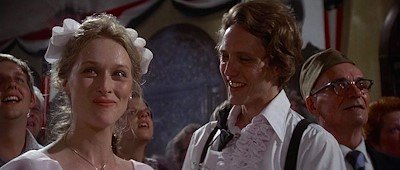
When these men came home or were finished with the war, they were never the same. One of them never returned home, while the others were greatly affected mentally and physically by what had happened overseas. The Vietnam War has been depicted multiple times by many filmmakers, including Francis Ford Coppola, famously in Apocalypse Now, and Oliver Stone in Platoon, among others. As a fan of both of these films, I can honestly say neither is on the level of The Deer Hunter.
War affects more than just the soldiers who fight in them. They affect families and loved ones. In the case of this film, war affected the wives these men left behind. Linda (Meryl Streep), 3-time Academy Award winner, is the wife of Walken’s character. She is lost without him. De Niro’s character of Michael tries to console her and be confident to her, but neither of them can live with themselves if they don’t try to help him. The same goes for Savage’s character. They just want to bring these men home, but it’s easier said than done. This war is painful and takes lives indiscriminately and without remorse. It was for lack of a better word a mess over there and at home during this time in American history.
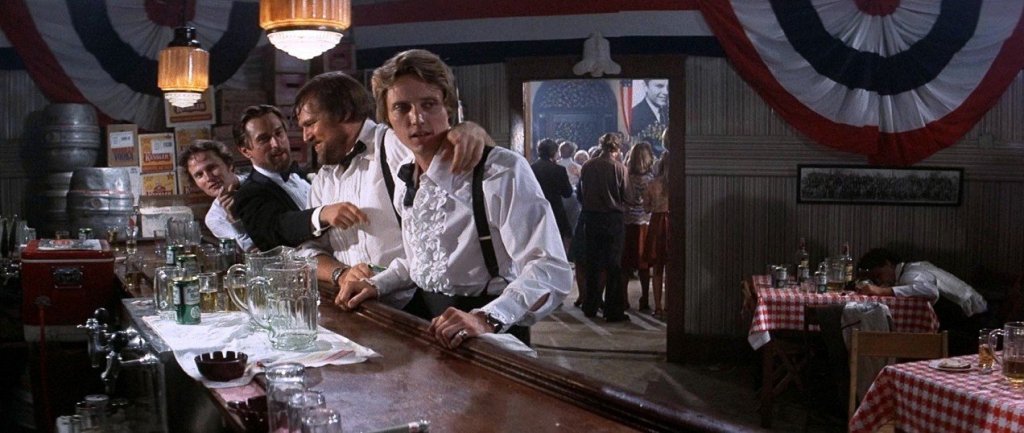
The Deer Hunter was distinctly a ‘70s film, even though it depicts the life of people in the late ‘60s. The community in which the film takes place is uniquely that era in our country’s history. It could be Illinois, West Virginia, where I come from Massachusetts, or any other hardscrabble working-class area in this country. It just happened to be Pennsylvania. People from that area of the country are tight-knit. In this film, they are Polish, but Irish or Italian would also work to show how close these people truly are, as depicted in the movie.
The wedding sequence illustrates this perfectly. The characters are having a blast singing and dancing their heads off to Polish music and American theme songs, showing how they are truly one hard-working American community. They fight over girls wanting to get a dance. They drink into a stuper fight with one another, and they keep going until morning when they have to go on the last hunting trip before shipping off to war. They even bicker with each other at their special cabin in the mountains. It’s truly a film about friends and loved ones.
There is a dichotomy in how the movie is shot. On the inside sequences, Cimino shows a lot of close-ups and so forth, such as during the wedding and various other enclosed areas. When the film is outside, it is shot with vast vistas in the distance, such as the beautiful Pocono mountains and the jungles of Vietnam. There are also some ugly scenes of the factory or when towns are on fire overseas. He captures many different looks within the overall context of the film. Most of what he captures shows the dirty grimy nature of this era of filmmaking, which is one of the reasons why I love this film so much.
Cimino assembled one of the all-time great casts, as De Niro, Walken, Streep, and Cazale were all on their A-game. The script by Deric Washburn and Quinn K. Redeker allowed these actors to breathe and be themselves as these characters. Each of them had their distinct arc to shine. These weren’t wasted roles by any means. Every character had a role to play in the story and the overall context of the movie, much like real life. This film seemed that way to me while watching the multiple times I have. This is as real a depiction of a community as I’ve ever seen in film.
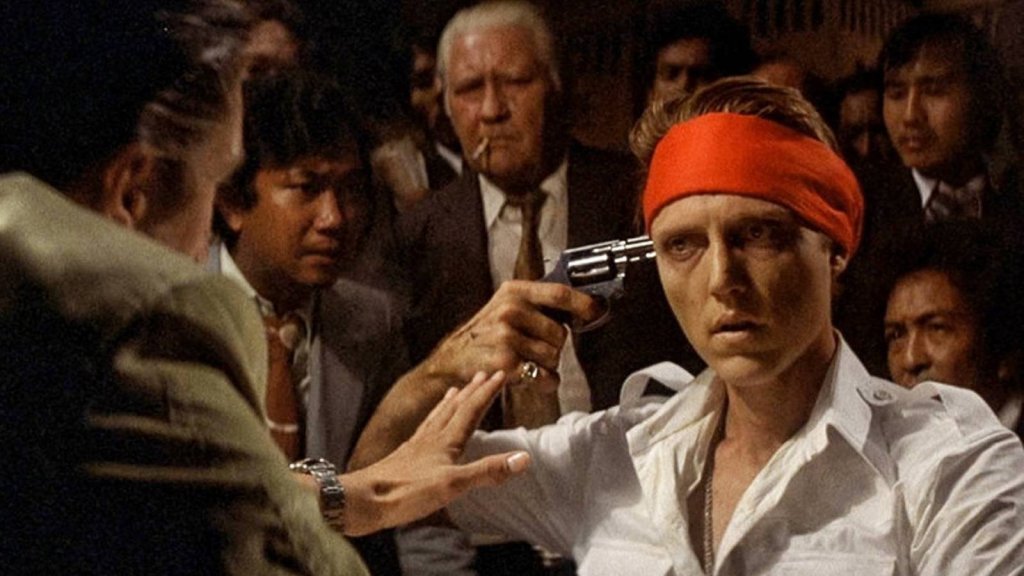
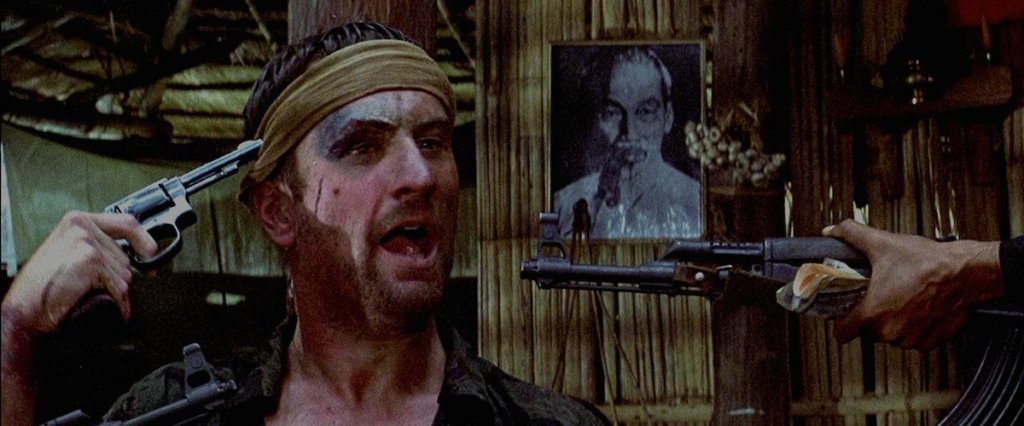
The war sequences weren’t very long, but they were very effective in showing the cost of war on these men. Famous for its Russian Roulette scenes, The Deer Hunter is as ugly a look at what soldiers will do to survive in war as I’ve ever seen. These scenes are felt for the rest of the movie. Characters deal with these repercussions throughout the second half of the film. One character, Michael, in particular, has a lot of thoughts and silent moments thinking about what happened during those scenes, and how his friends, namely Nick, were affected by them. It was rough to watch even when I knew they were coming.
The Deer Hunter is a masterpiece no matter how you look at it. It shows a moment in time that will forever be etched in many people’s minds who lived through it. It’s about family and community, specifically a Polish community in the hardscrabble working state of Pennsylvania. It could be anywhere in America, but Cimino and the writers set it perfectly in an area of the country where it would make an indelible impact on those who watched back when it came out in the ‘70s.
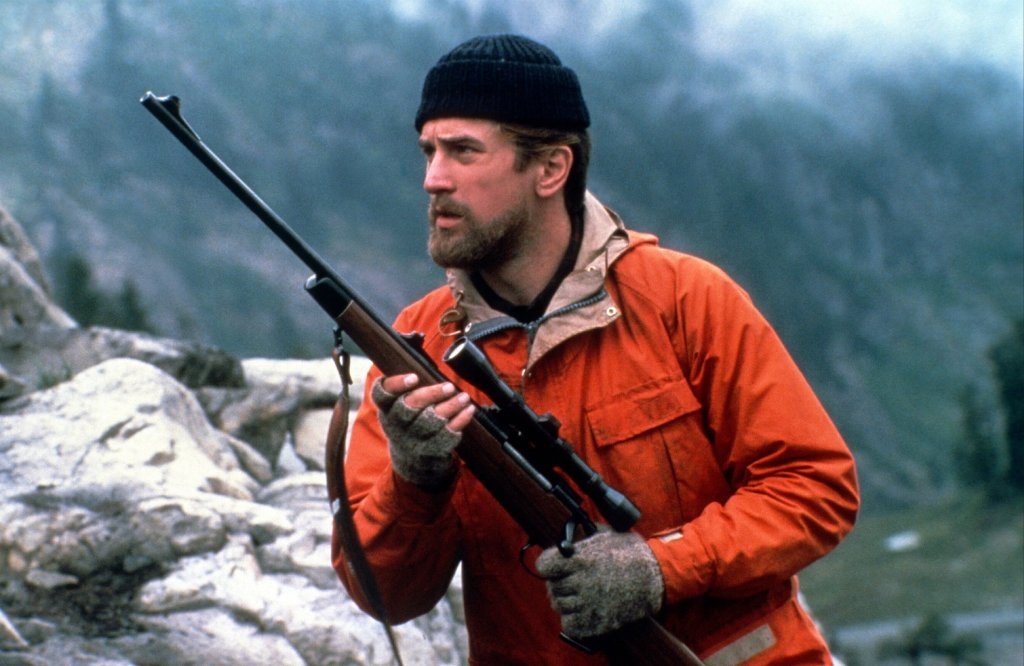
I have talked to people who literally lived this style of life during this time, and they said it depicted this time and place in history perfectly. The cast was incredible, and all of them were on their A-game. This is the last time Cazale would be in a film, and he was great once again. This was an early Streep performance, but you can see she was destined for greatness in her future. Walken and De Niro were both great, and I can’t say enough about how perfect they were in these roles. Cimino would never reach this high again in his career, but at least he has this film to hang his hat on. It is filmmaking perfection any way you cut it.
5 stars
Dan Skip Allen

 From the Fourth Row!
Leave a comment