By Brian Susbielles
How does a parent deal with the shocking news that their child isn’t dying, but has a condition that will handicap them for the rest of their lives? It is better than hearing about the length of time left to live, but knowing your child is growing up without a bodily sensor such as sight cannot be something one fathoms happening and is absolutely terrifying. However, in the face of such a tough diagnosis, a couple decided to handle it by being able to give their children a voyage one dreams of, but fulfilled the premise with a lifetime of visual memories.
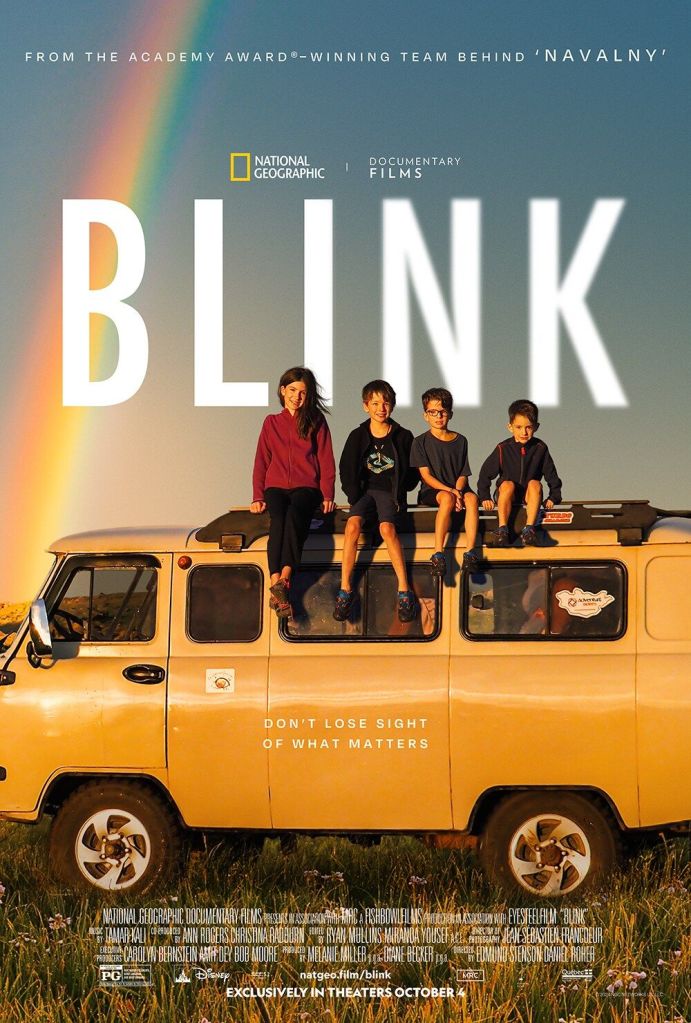
We are introduced to a Montreal-based family led by parents Sebastien and Edith and their children: Mia, Leo, Colin, and Larent, aged 4-11. First glimpse, they are young and crazy as you would expect of any young child, but they are well loved. Then, Edith tells about the shocking diagnosis that, with the exception of Leo, the other children have retinitis pigmentosa, an eye disease that eventually results in the loss of vision. It is one of those conditions that has zero cure and there isn’t any treatment that could slow the degradation down. As Edith says, the worst part is the lack of action they can do because there is simply nothing that can be done. The only thing they can do to help is show their children all of the things from the world to retain visual memory in the long term.
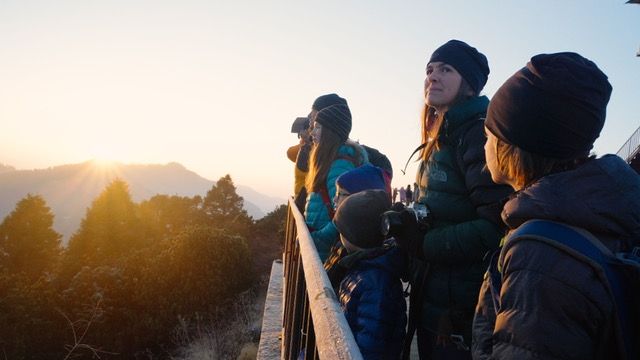
In what has to be the coolest family vacation on screen, the group goes around the world to do things to get their affected children that visual experience. Safaris, train rides, mountain climbing; the family goes to every possible country to do something the children wrote down on their bucket list. It is quite the travelog following them as they enjoy family time and taking in everything they see together. But, there are also the first signs of fear when night blindness sets in such as one scene where the family are stuck in a gondola over a mountain at night time. It’s a long entrapment before being rescued, but enough to terrify the three children who now get a real feel of what it will be like when they see it is completely erased.
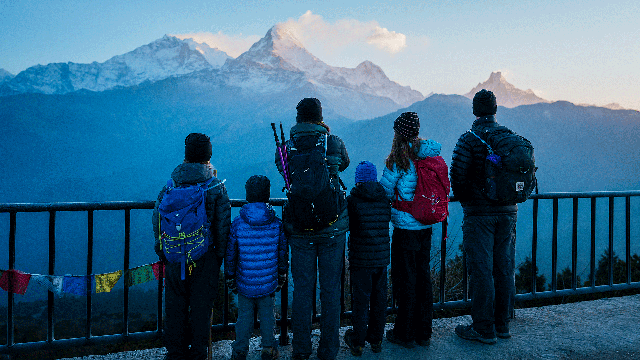
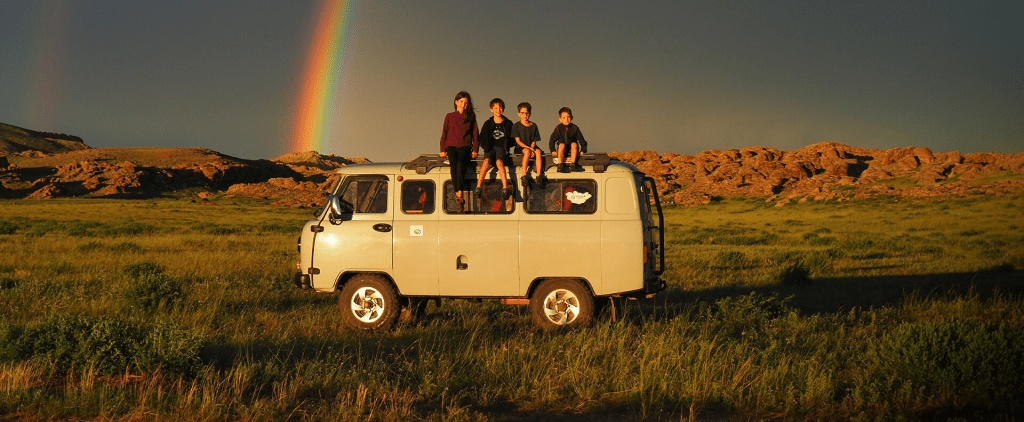
Across Africa, Asia, and South America, the trek takes us to locations where the shots are quite intoxicating. Being on the ground across the desert, under South Asia’s rainy season, the Himalayas, and the Amazon gives everyone the ultimate experience. Also, the family were able to go on a small budget ($200 a day) and stay in hostels and homestays that are local in the villages. Carrying four children around is really a handful, even for a regular family trip, but to have the workload and responsibility for a global vacation of this magnitude is quite the superman effort. For viewers, watching them experience this is such an uplifting look with envy at how they were able to accomplish this incredible journey.
For directors Edmund Stenson and Daniel Roher, Roher’s first since his Oscar-winning Navalny, the story of Blink goes beyond the realm of what parents will do as a last wish for their kids. It is about humanity and affirms the meaning of life ahead of that moment when all the light is gone. Even as the children start on their journey of adapting fully to their lack of vision, there is hope and acceptance for this dramatic change, but there is a lifetime of memories they can never forget. It isn’t an earth-changing documentary, but Blink is a loving story about not wasting a single moment of time for the family and getting every ounce of taking in the beauty that all can see before a permanent blink.
4/5 Star
Follow me on Twitter: @brian_cine (Cine-A-Man)

 From the Fourth Row!
Leave a comment