By Brian Susbielles
This month has two opposites for Netflix releases. One is the complete waste of time that is The Electric State, and the other is this four-part gripping piece of television that delves into a poisonous subculture. Reading about the idea of masculinity, the “manosphere,” and the threat of “incels” is quite common these days, but it brings the worst in a culture where sexual entitlement and misogyny are normal and political. Certain figures have popped up promoting this form of hegemonic masculinity which has appealed to young men and teenagers. It’s through this lens that Adolescence tackles when it comes to an all-too-familiar story in the UK, knife crimes committed by minors, including murder.
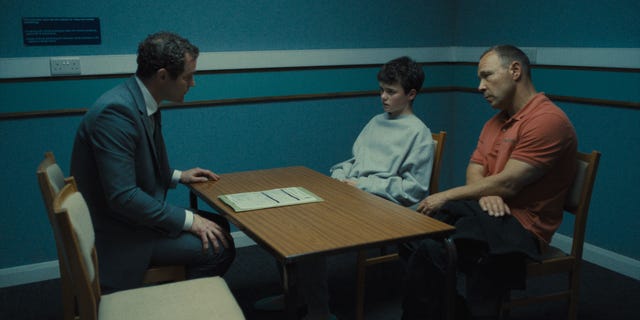
Each episode, shot in one continuous take depicting real-time, follows four separate points following the crime: the murder of a young schoolgirl stabbed to death in a park. Episode one introduces 13-year-old Jamie (Owen Cooper), who is arrested early in the morning for murder to the shock of his parents (Christine Tremarco and Stephen Graham). Protesting that Jamie is innocent and couldn’t be capable of such an act, the episode continues as a police procedural climaxing in a shocking reveal. Episode two focuses on the two leading detectives (Ashley Walters and Faye Marsay) interviewing Jamie’s school classmates to learn more about what Jamie is like in school and his relationship with the victim. It is the gossip amongst the students that reveals the accelerant and opens the eyes of the detectives to what’s really going on.
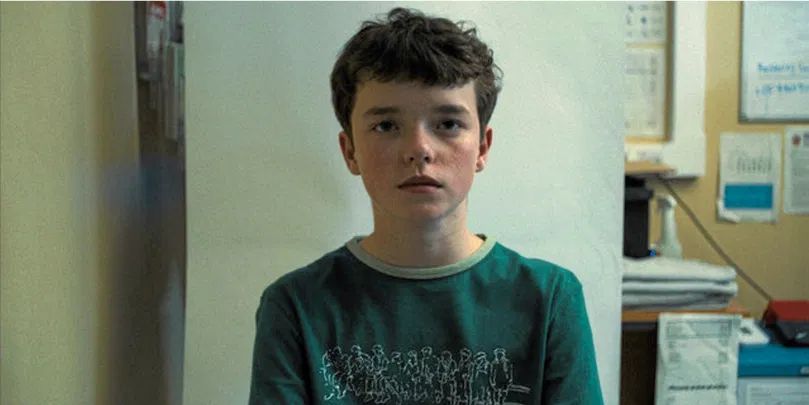
Episode 3 brings us Jamie with a child psychologist (Erin Doherty) and a dark discussion about masculinity. This episode is the brightest of the four with Cooper, who makes his screen debut in this series, stealing the whole show with a naturally manic performance that captures the fluctuation of emotions of Jamie. It’s a chamber drama, held in a single room as the characters have a battle of one-upmanship where Jamie’s outbursts expose how deep Jamie’s insecurities are and how he feels he did nothing wrong. The last episode focuses on Jamie’s family one year after the murder and how they are still struggling to come to terms with Jamie’s guilt and his latest decision before the trial. How they all reflect on the ramifications of Jamie’s actions while encountering people who still antagonize them is heartbreaking because they are helpless to what the community thinks of them.
All of the performances are in sync and everyone gives us those big and small moments, even simple facial reactions, that sum up the trail of tears and anger surrounding this event. There’s a ripple effect that not even Doherty’s character can’t be affected by where, even in murder, there is a humanity in everyone. Cooper is astonishing while Graham, continuing with every performance to show his range, hits every note on a father at a loss for what has happened. The one-shot perspective is less of a gimmick and more of capturing the ticking minutes and moving around to different settings instead of standing still.
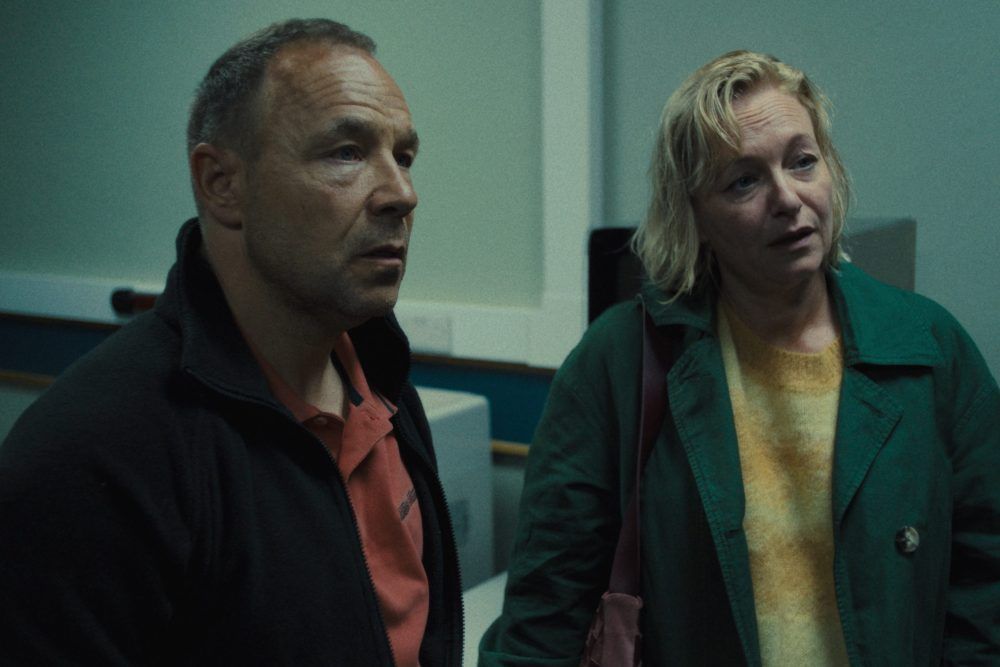
There are pauses where, for a moment, the characters can breathe and not talk about what is happening and reflect on daily life. The opening two minutes show this with the lead detective having a bit of a concern with his own son before going on to arrest Jamie. Jamie’s family in the last episode, celebrating the father’s 50th birthday, talks about going to the movies to have time not thinking about their crisis. It stays grounded, feeling like a Mike Leigh drama, while maintaining its real-time movement.
Adolescence is not a whodunit thriller. It’s a why-dunit portrayal of grief and learning about an invisible, massive gap between youths and adults that the adults do not grasp. The second episode reveals that when the son of one of the detectives gives key info about Jamie and the victim. It’s a subject that gets exposed more in the later episodes when the parents wonder where they went wrong raising their son. Stephen Graham, co-writer Jack Thorne, and director Philip Barantini (Boiling Point) bring us a tight, gripping story that brings out those uncomfortable truths about why these violent events happen. The harrowing result is a devastating portrait of a community shattered and the subtle moments that reveal so much about social media and the false narratives that lay the seeds for unexpected violence by children.

5 stars
Follow me on BluSky: @briansusbielles.bsky.social

 From the Fourth Row!
Leave a comment