By Brian Susbielles
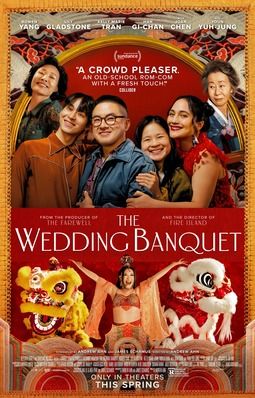
Director Ang Lee made his name through the original version of The Wedding Banquet in 1993, a comedy of manners amongst Chinese traditions in New York, which was nominated for an Oscar. It remains a notable LGBTQ+ film of the 90s, especially coming from a straight director, talking about the conflicts of traditional values and progressive values from a certain culture. Cut to the 2000s, the subject is much ado about nothing, although it remains a touchy subject for some. Now, we have this remake where the setting has moved from New York to Seattle. Instead of the White boyfriend who has to play best friend to his partner, it is now an Indigenous person. The most notable change from the original is that the story revolves around two gay couples.
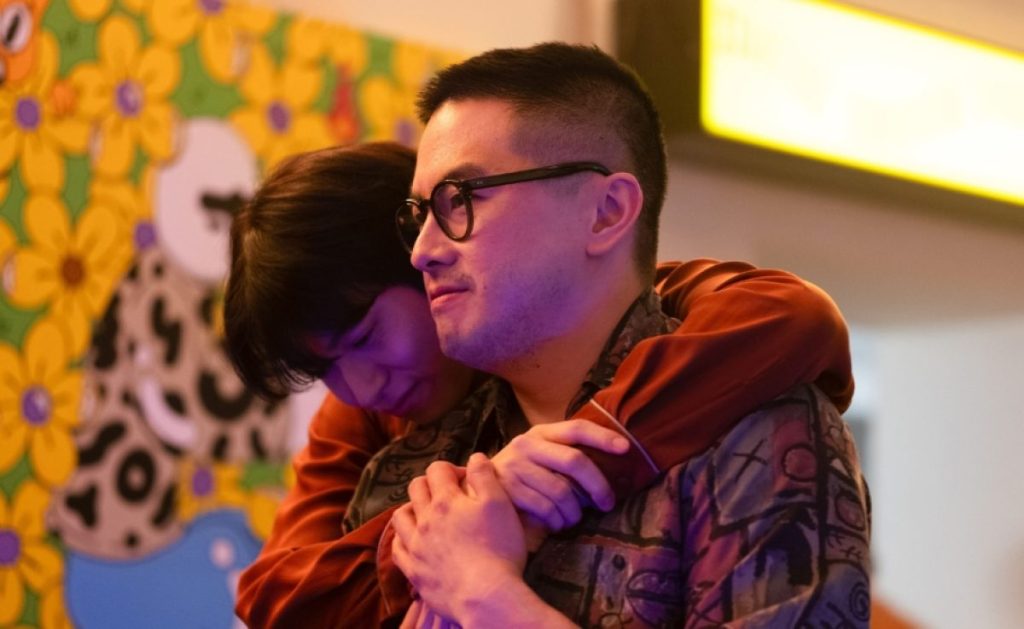
One couple is Chris and Min (Bowen Yang & Han Gi-Chan, respectively), and the other is Lee and Angela (Lily Gladstone & Kelly Marie Tran, respectively). Chris has been with the Korea-native Min for five years, but now his visa is expiring, and Min does not want to return home and work for the family business led by his strict grandmother (Youn Yuh-Jung). They live in the garage of Lee and Angela, the latter of whom once dated Chris in college before they both came out, but are still best friends. Lee and Angela want to have a child of their own, but the IVF treatments on Lee have failed, and they are now financially strapped, even though Angela never thought about becoming a parent in the first place.
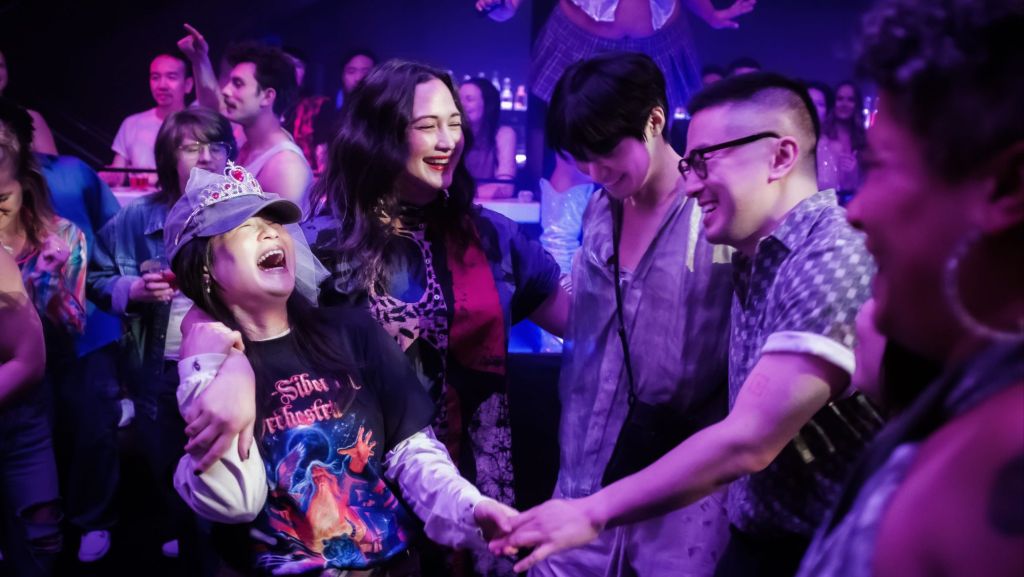
Things suddenly change one night when Min, looking to get his green card, proposes to Chris, who struggles with commitment and doesn’t give an answer. Min then proposes a lavender marriage to Angela; in return, Min will pay for the IVF treatment Lee wants. They all agree to do this reluctantly, but the news is sudden to all, not especially to Min’s grandmother, who suddenly flies to Seattle to see if this new wife she has never heard of isn’t someone who just wants the money. With her arrival, the quad quickly has to remove anything from the house that shows their queerness, which is most things inside the house, and try to act straight. Instead of a small wedding, Min’s grandmother says they must have a traditional Korean wedding, which is a lot bigger than they want, especially trying to keep quiet about what they’re doing.
Director Andrew Ahn (Fire Island) makes these changes without completely overwriting the original, which co-writer James Schamus is also part of. However, the story starts to become bland with the extra exposition, and certain scenes just lose the spark they had at the beginning. The characters become two-dimensional instead of bringing out more of their complex personalities, which intersect all four of the main figures. The performances of Youn and Didi’s Joan Chen, who plays Angela’s mother, are the standouts because of the depths they bring to their characters when it comes to the generational gap as understanding women.
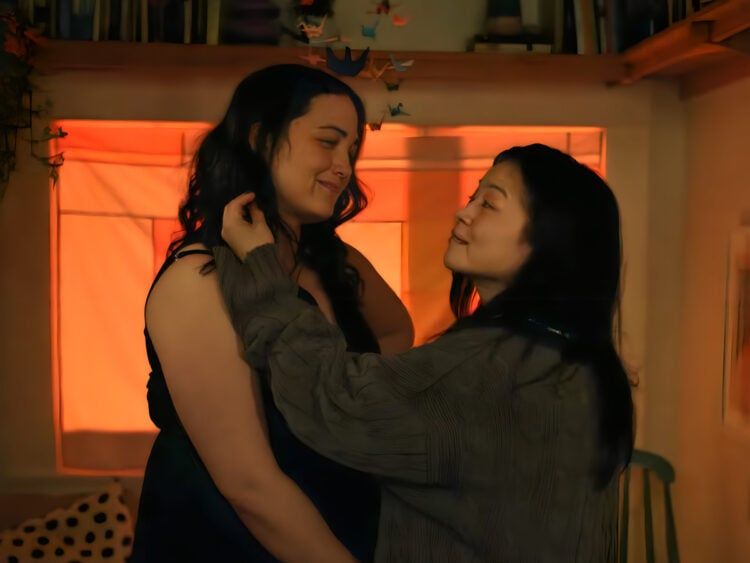
The last twenty minutes seem to stumble towards the finish line as the big surprise, which also comes from the original, comes out and puts a damper on the whole proceedings. However, the final product is still a crowd pleaser for those who had never seen the original film (which is better) and upholds the love that comes from everyone. Ahn probably can’t get to the level of Ang Lee’s touch, but he does make a good version with a more expansive ensemble, which feels relatable to the present day. The Wedding Banquet of 2025 is certainly not your grandmother’s wedding, but of a 21st-century generation of open-minded adults.
3 stars
Follow me on BluSky: @briansusbielles.bsky.social

 From the Fourth Row!
Leave a comment