
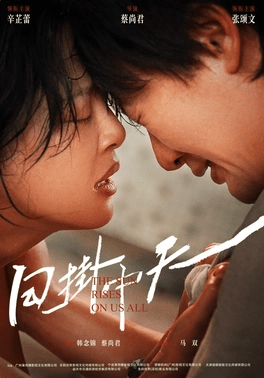
By Kyle Flynn
The newest film from Chinese Auteur, Cai Shangjun, comes to us at an interesting time when examining the current state of films released from China. This year alone, the highest-grossing film of the year is the animated blockbuster, NeZha 2, and at the Cannes film festival earlier this year, another famed Chinese Auteur, Bi Gan, debuted his newest film, Resurrection. The Sun Rises On Us All comes nearly a decade and a half since Cai Shangjun won the Silver Lion at the Venice Film Festival for his sophomore feature, People Mountain People Sea. What we receive this time around, however, is a film with the dramatic progression of a bear roaming through the woods.
The Sun Rises On Us All follows the characters Meiyun (Xin Zhilei) and Baoshu (Zhang Songwen), as former lovers who reconnect after the latter took the blame for a crime committed by Meiyun. The central themes and motifs revolve around the idea of forgiveness, guilt, and the dichotomy between love and justice.
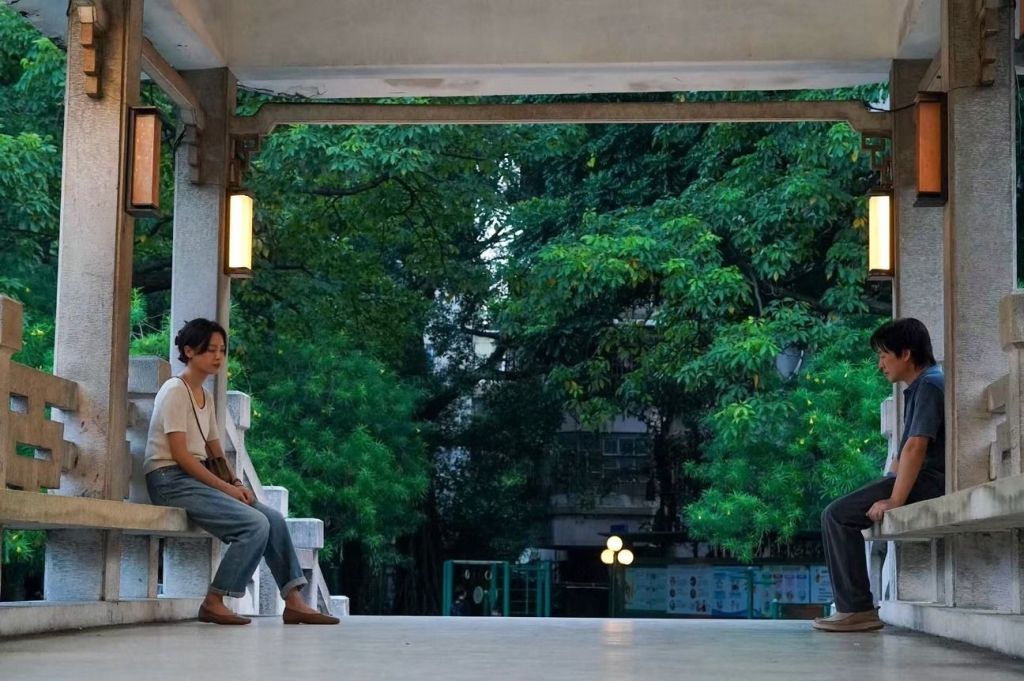
What Shangjun does with the story is quite reminiscent of his earlier work; the story gives you an opportunity to process and question the pivotal scenes of the movie. It leaves so much up to the personal interpretation of the viewer when examining the relationships. It is an amount of trust I find to be refreshing in the story. I wish I could say it sustains this throughout, but it feels crushed under its own weight. The characters feel fleshed out enough to last, but the pay-off doesn’t come till so near the end of the movie, I question if the way Shangjun structured the story worked in totality. A little over an hour in, the intention that Shangjun wanted to portray with Baoshu’s character begins to reveal a little more, and although it works thematically, it could have been worked in a more natural way.
The central performances by Xin Zhilei and Zhang Songwen are great. Zhilei plays her character with an astonishing amount of pathos by the end. A good performance, that help was undeserved by the material. Zhang Songwen balances the more reserved nature in many scenes with those great scenes where he is making emotional appeals well. The rest of the ensemble I found to be unmemorable, highlights here or there, but nothing on a level necessary for deeper analysis.
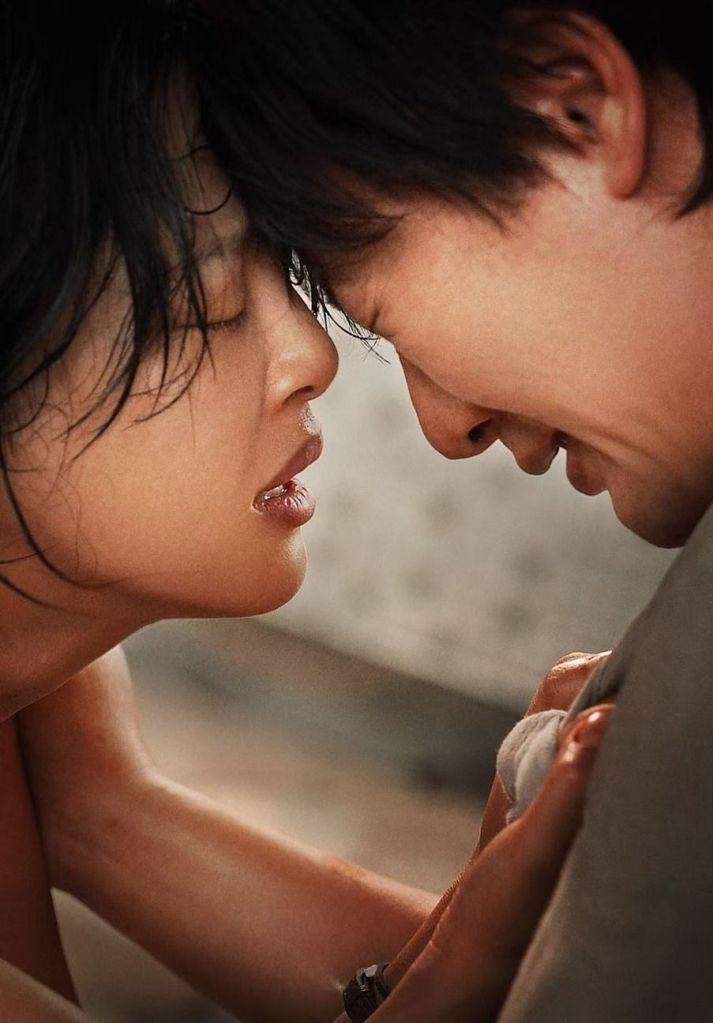
As for final thoughts, cinematographer Kim Hyunseok does a great job with the lighting design of the film. I loved the way some shots were framed and used. I will be on the lookout for the next project. The direction works, but the screenwriting leaves more to be desired. I would be interested to see the process of editing, the shot selection, which I thought was good the majority of the time, with an odd choice every once in a while, which is more than I can say for a lot of films that attempt to strike a remotely similar tone. Lastly, the ending of the film was to me the most remarkable thing, for all my complaints Shangjun did stick the landing. The look in the eyes of the two main characters and events of those last ten minutes have replayed in my head in the days since I finished the film.
3 stars

 From the Fourth Row!
Leave a comment