
By Kyle Flynn
A question kept bouncing around in my head as I watched Byun Sung-hyun’s Good News at its world premiere at TIFF: when was the last time I heard a theater laugh this hard at a comedic thriller? Better yet, when was the last time I even saw a comedic thriller with this kind of tone on the big screen? The room was electric, every joke seemed to land, and there was this rare sense of collective delight that you only get when a film hits exactly the right note. The real tragedy is that this movie will drop on Netflix, barely get a marketing push, and disappear from the cultural conversation within a week.
Good News is a highly fictionalized retelling of a real 1970 plane hijacking—an attempted reroute from Tokyo’s Haneda Airport to Pyongyang, North Korea. As a concept, it’s irresistible. Even going in blind, the premise is immediately gripping and easy to get behind. As the story unfolds, the film more than delivers on that promise, blending tension, humor, and absurdity with a confidence that makes its best moments shine.
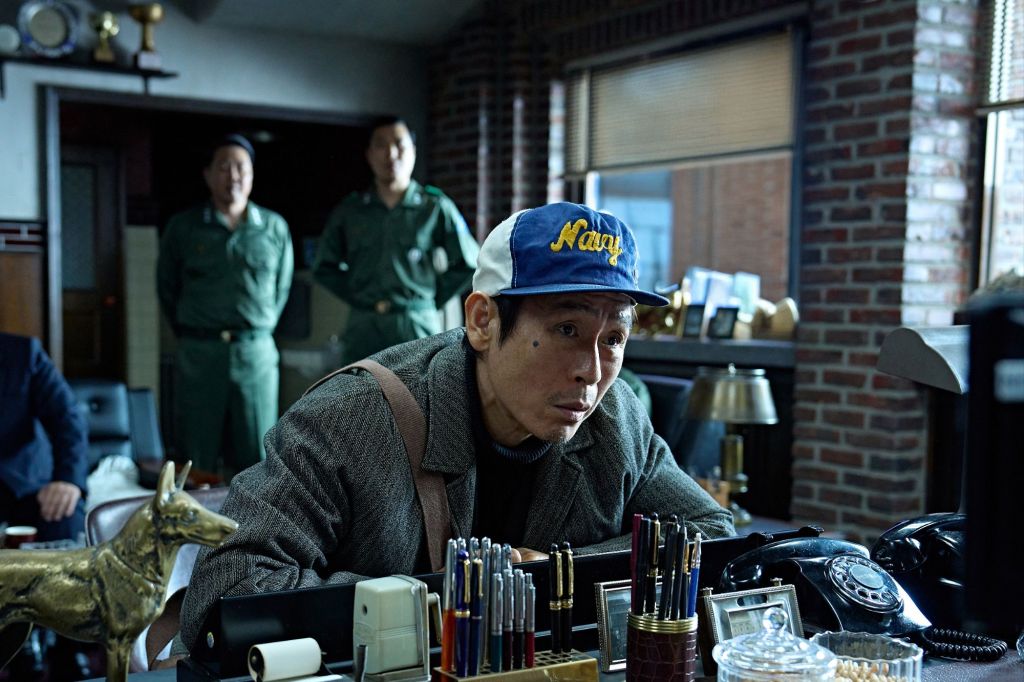
Sung-hyun leans heavily on the comedy for this project, with almost a joke per minute structure. Broken into five chapters, the narrative structure of the film works in tandem with the comedic tone struck to make a project that easily could fall flat, but is successful. It is an absolute directorial feat to control the tone of your film this well. Left me with the impression that many modern comedy directors could take a few notes from Sung-hyun.
The five-chapter structure is not without obvious pitfalls. By chapter four, after the film’s climax, you can see them trying to maintain that solid momentum built and sustained in those first three chapters a little too hard. I began to feel the movie’s length, and the goofy grin I held on my face, symbolizing how engrossed I had become, was slightly more analytical as the film went on.

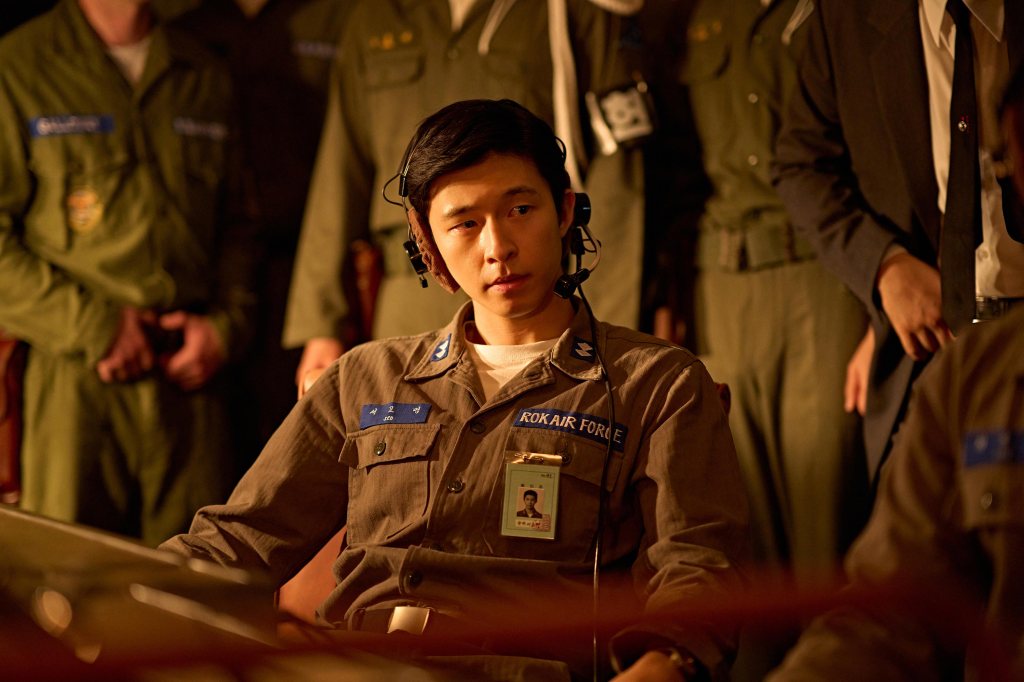
I can’t think of anyone in the ensemble who did not understand the assignment. The performances are very hammed up, but fit within the tone struck and are played with a certain intensity that I found charming. Hong Kyung, I thought, was a particular standout amongst the cast; Many scenes that strike that comedic cord brilliantly with the ooph needed to carry emotional moments.
Seeing Good News with a packed audience at the Princess of Wales Theatre certainly elevated the experience—every laugh landed harder, every absurd twist played to the crowd. But even in that ideal setting, the film’s energy noticeably falters in the final stretch. After the high point of chapter three, it feels as though Sung-hyun is grasping to sustain the momentum rather than letting the story find a natural resolution. The last two acts overstay their welcome just enough to dull the sharpness of what came before, and a few gags that might have killed earlier in the film land with less impact simply because the audience is already exhausted from laughing. By the time the credits rolled, I admired the craft but wished for a tighter, more disciplined ending—something that could have preserved the exhilarating pacing that defined the first hour. It does manage to be fun and unique regardless, which makes me forgive it somewhat, as it’s still an accomplished work, but it left me thinking about what a truly perfect version of this film might have felt like.

3.5/5 stars (Very close to a 4/5)

 From the Fourth Row!
Leave a comment