By Kyle Flynn

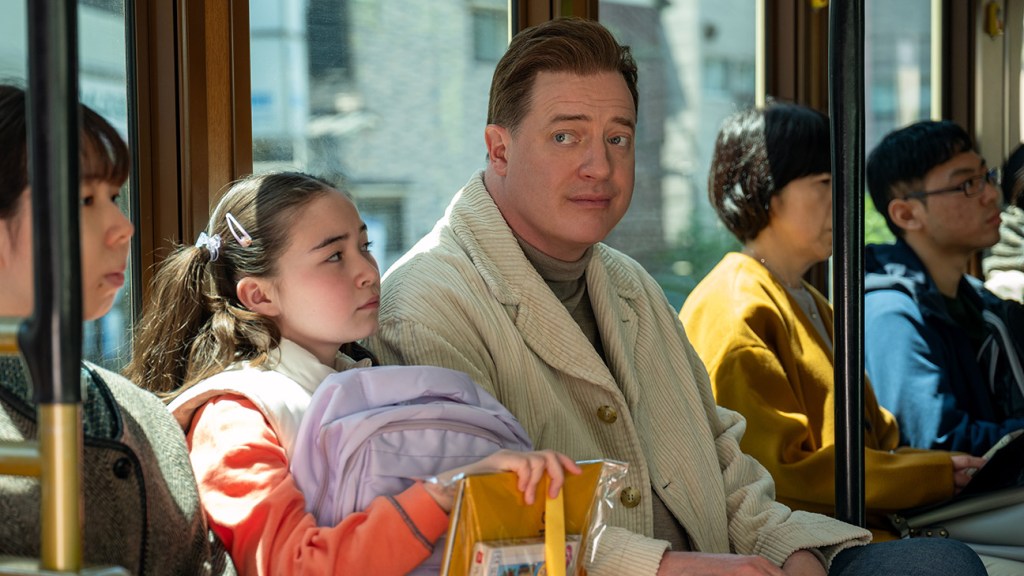
The 2020s have been fantastic for both the lead actor of Rental Family, Brendan Fraser, and the filmmaker of Rental Family, Hikari. Brendan quickly kick-started a comeback with his Oscar-winning performance in The Whale (a film I panned) and starred in a small but memorable supporting role in Killers of the Flower Moon. Hikari has also chosen to follow up on her notable mainstream breakout with Beef by doing Rental Family. A film that follows a struggling actor who begins work for an agency selling rental relationships.
The inherent charm of the film is that the screenplay, and by proxy the acting ensemble, immediately manages to endear you to each character. One of the early rental scenes finds Fraser’s character in the depths of assisting with a marriage ceremony featuring him as the groom. The sequence of this rental does a tremendous amount of heavy lifting for framing the way screenwriter Stephen Blahut wants you to view the story. Brendan gives an impassioned monologue about the ethics of the industry before eventually being convinced to continue, and thus, the conceit is born, and my enjoyment of the rest of the film had laid the foundation. At this pivotal scene, I could easily predict every major plot beat that would happen for the remainder of the film.

I found Hikari’s direction to be refreshing. Fresh enough, and well done enough to succeed for the simple story told. It’s above the subpar direction I have come to expect from most crowd-pleasing films that rely far more on the writing, delivering the emotional pay-off than a strong stylistic vision. No bold choices are made visually, and while it is very well-paced, I would have enjoyed an initial 10-15 minutes investigating the interior lives of the primary characters (Brendan Fraser and Mari Yamamoto). Brendan Fraser has a girlfriend in maybe two scenes and randomly disappears from the rest of the film. It feels so chopped. As more gets revealed about the character played by Takehiro Hiro, I have to question why it simply feels like an afterthought, why didn’t Blahut write better development for each character, or why did co-editors, Alan Baumgarten and Thomas Krueger, fail to keep scenes that would have benefited the movie in the final cut?
The ensemble is strong and the primary highlight of the movie. Fraser is better here than in The Whale (a performance I am not overly fond of). Mari Yamamoto and Takehiro Hira round out the rest of the crew’s rental actors nicely, complementing Fraser’s acting well. The young actress, Shannon Gorman, is adorable and talented. The standout for me and the actor I fully expect to get the most raves coming out of this is Akira Emoto, who plays an aging actor struggling with some form of dementia. It is a heart-wrenching performance, and as the film begins to close out, you can start to feel the heart.

The film borders on emotional manipulation, making me feel slightly icky. I don’t entirely agree with the conceit upon which the premise is built. If you assume that one of the prevalent themes of the movie is the need for human connection and the positive impact it can have on those around you, I can cite a hundred films that have done it better. It works well for what it is and is charming enough to succeed on its own merits.
3/5 stars

 From the Fourth Row!
Leave a comment