
By Brian Susbielles
Twenty years ago, Brokeback Mountain was released to widespread acclaim and gave us the first real masterpiece of a gay lovestory which broke norms of setting, not playing into the contemporary, urban backdrop of most gay romances at the time. Now, more of these period films have come out exploring the boundaries of love within the era where such ideas were taboo and even illegal. While certain films take a more film approach towards depicting sexuality, others are very subtle in their approach, and subtlety does strike a more balanced depiction without going overboard. Director Oliver Hermanus (Living) is the perfect director for making such films as he has with his previous work.
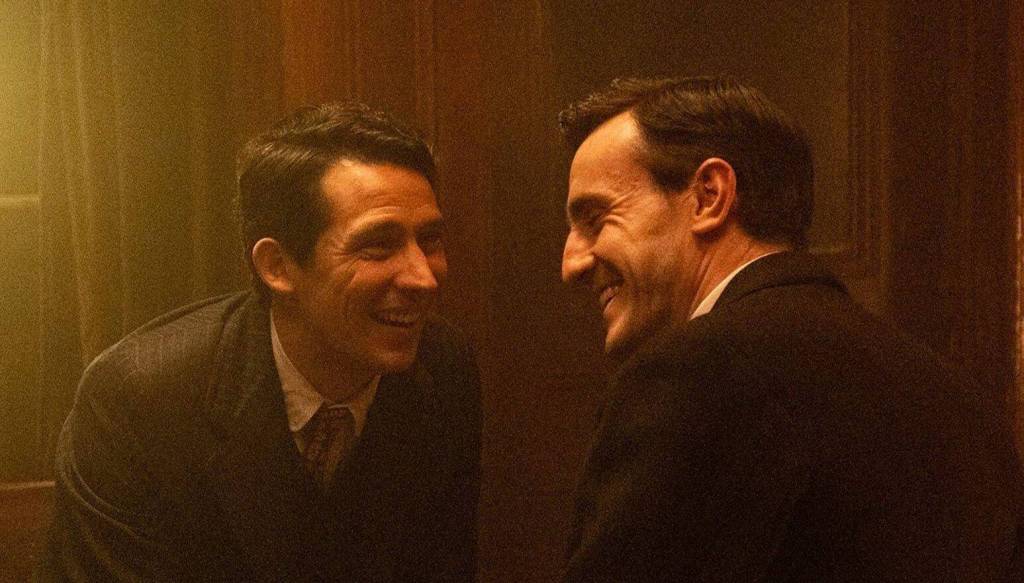
The film begins with a voiceover (Chris Cooper) talking about his musical talents as a child in the countryside of Kentucky and then getting a scholarship to the Boston Musical Conservatory. At a bar, that person is revealed to be Lionel Worthing (Paul Mescal), who hears a song from his childhood being played at the piano by fellow music student David White (Josh O’Connor). They instantly become lovers, a crime back in the 1910s, but they keep their passion a secret as they connect through folk songs rather than classical music pieces you would expect to hear at a place like Massachustetts, David’s home state. Then, the United States entered World War I in 1917 and David is drafted while Lionel returns to his farm to be with his mother.

Two years later and with the war over, Lionel, who has never strayed so far from home, goes to Maine as he has been hired to record the dialects of folk songs from locals across the state for the university he works for in research. David returns back from the war and joins him, rekindling their romance as they camp throughout with this brand new piece of technology. There is no sex seen, or needed; their companionship is striking enough to express the affection they each have. They part ways and lose touch with each other, leaving Lionel solitary and longing for David.
Based on Ben Shattuck’s own short story collection, which he himself adapted, Hermanus creates a solid period piece surrounded with its gorgeous Euro-New England setting and melodramatic tone. Its slow pace, however, can test our patience for the payoff as we move scene-to-scene out of the Maine back woods and forwards into the timeline when we see Lionel having settled into a career in Europe, only to get called back home one day. The movie settles on imagery and song when more could have been said instead of relying on the facial and physical expressions of every moment. It eventually pulls itself together for the third act with a devastating gut punch as decades pass, but the past is forever contained in its original foundations.

The History of Sound is beautiful and sounds beautiful, but tries to linger itself long like holding a high note. Regardless, Oliver Hermanus gives every scene its right mood anywhere it goes and doesn’t get flashy in its storytelling, a mood remisicent of Terence Davies films. He offers a heartbreaking and emotional film that reminds us not only of the enduring nature of love but also the power of sound and song. Even with those things that seem frustrating that they won’t say it and just drips away the minutes of its 127-minute runtime, there is still a message that speaks out through the notes it belts out.
4 stars
Follow me on X (Twitter): @brian_cine (Cine-A-Man)

 From the Fourth Row!
Leave a comment