

By Kyle Flynn

A Useful Ghost:
A film that works much better conceptually and in form than it does in execution. The initial premise of the idea of a woman, who is a wife and a mother, but most importantly, an employee at a family-run appliance factory, possessing a vacuum after her death, drew me in. The visually striking nature and the way many of the shots are framed by the director, Boonbunchachoke, are incredible. The moments chosen to visualize the wife will stay with me for a long time. Despite the somewhat muted reception, and even when talked about, the divisive conversations I had. I always found it to be constantly charming and undeniably gorgeous, coupled with strong performances. It does get a little dry in the second half of the film, but the ending is amazing. Very deserving winner of the Grand Prix of Cannes Critics Week, and an easy recommendation from me.
3.5/5 stars
Homebound:
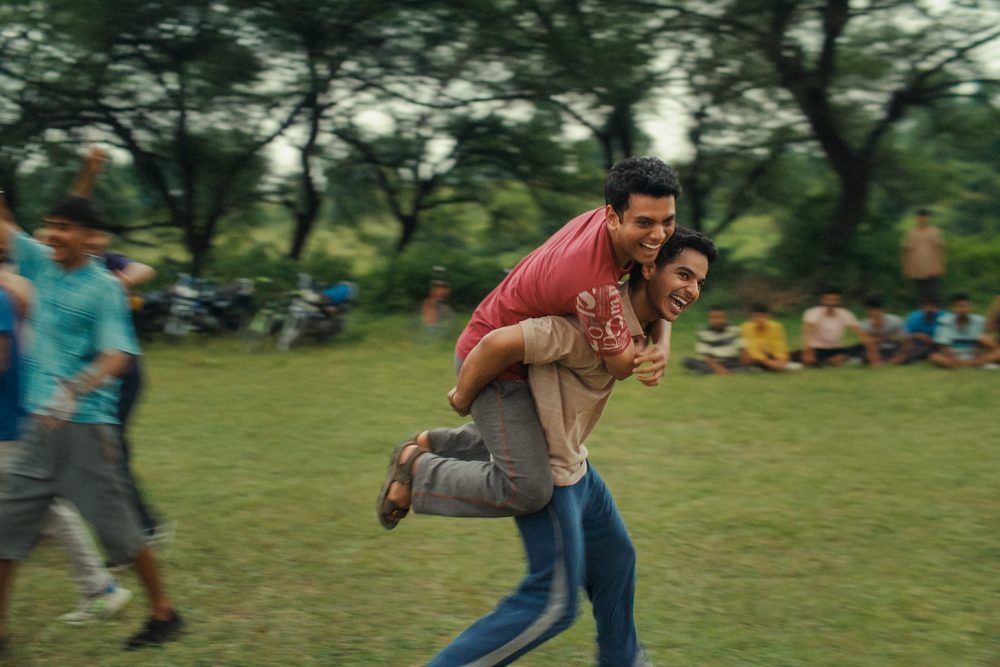
One of the more talked-about festival premieres I heard about this year. It was programmed in the Gala section of this year’s TIFF and second runner-up for the International People’s Choice Award. The second feature of Neeraj Ghaywan primarily follows two young men who, in the face of the Caste system, both hope to rise above being simply a Dalit (The lowest Caste in Indian) or even simply a muslim by striving for a police job that is limited in their selections. I love the first half of this movie, and have mixed thoughts about where it leads up to in that final act. Perhaps one of the most compelling character traits is ambition, and where it can somewhat intersect with insecurity. The character Chandan, played excellently by Vishal Jethwa, plays his role perfectly, especially when facing the societal realities of his Caste. The counterweight, Shoaib, played very well by Ishaan Khatter, goes to interesting places once we see the effects of the police exam and what that does to their friendship.
The film has also entered the canon of the few post-2020 films to feature COVID-19 as a primary plot point. The writing of the screenplay and the way it is explored is well done. I can’t think of any film that portrays the virus and its effects on broader society. Admittedly, I did find my interest began to wane as the film progressed into the final act, which felt mildly unstimulating for me. I can’t fault the story really, as it is an adaptation of an article from Basharat Peer published in the New York Times in 2020, but it never managed to feel as full circle as I would have wanted. The excellent performances do put it over the top, and the portrayal of the modern-day Caste system in film is unparalleled
3.5/5 stars
Left-Handed Girl:
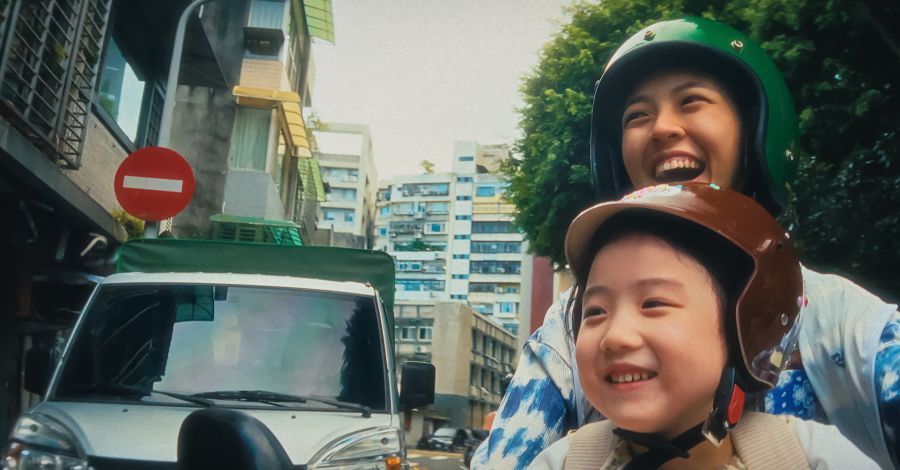
I was ecstatic walking into the solo-directorial debut of Shih-Ching Tsou. I am a massive fan of her co-directorial effort Take-Out, and she produced one of my favorite films of the 2010s with her frequent collaborator Sean Baker, who is heavily involved behind the camera here as well. The film is primarily about multiple generations of women, where the film begins is with the five-year-old I-Jing (played by Nina Ye) and the twenty-year-old I-Ann (played by Shih-Yuan Ma). Both deliver excellent performances, and as the story begins to reveal itself, the ending and changes in their relationship as the plot unravels felt effective. The mother, Shu-fen (played by Janel Tsai), serves as an excellent foil to I-Ann. The editing is sharp, just like most other Sean Baker films, and works in service to the way Tsou captures I-Jing’s childlike innocence and naivety.
4/5 stars
The President’s Cake:
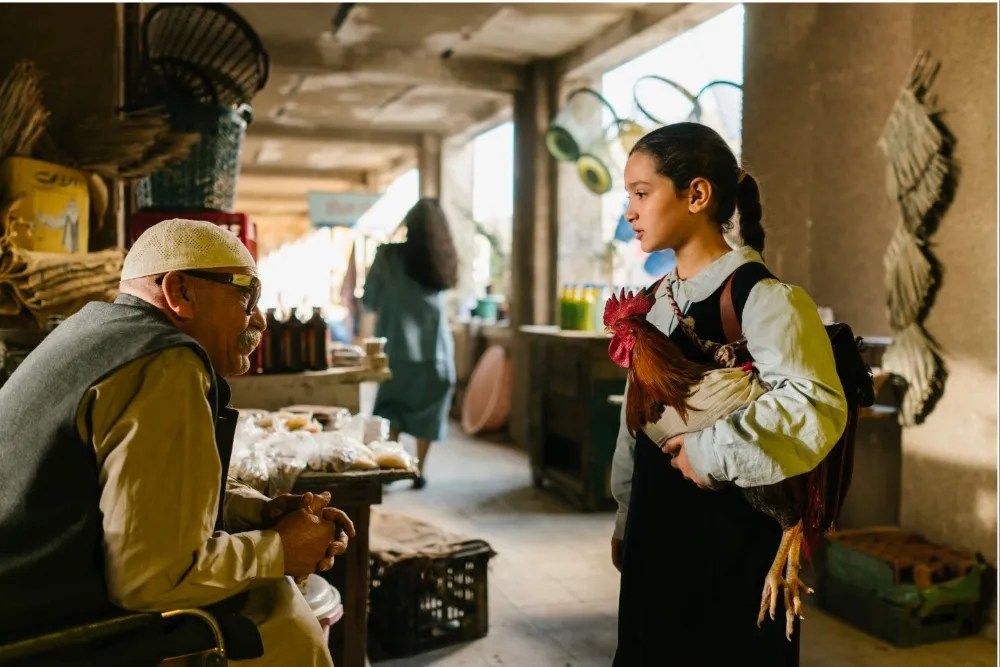
Iraq’s submission for International Feature this year was the directorial debut of Hasan Hadi. A story primarily following a nine-year-old named Lamia (played by Baneen Ahmad Nayyef), tasked with baking the cake for her class celebrating the birthday of Sadam Hussien. I felt rather apathetic to the film as a whole, finding the conceit that sets Lamia and her friend Saeed (played by Sajad Mohamad Qasem) on this journey for the class to be a little distant from the viewer. I do appreciate the observational examination of Saddam’s influence written by Hasan Hadi. The screenplay oddly feels very much in conversation with Kiarostami; “Where Is the Friend’s House?” comes to mind with the narrative following a young actor desperately trying to accomplish a task by going on an adventure. I wouldn’t say it connected for me; although entertaining, I never found myself caring by the film’s end. It’s a strong start to his career and an admirable achievement. I am excited to see what he does next. I would recommend it regardless of serious reservations about the film’s plotting.
3/5 stars

The Last One For The Road:
Two things are true in life. We all have mentors, and nothing is more fun than a road movie. Francesco Sossai’s film takes this to the core. I was drawn in by the premise of two older men reliving their glory days and embarking on a trip with a young companion. Sergio Romano, Pierpaolo Capovillia, and Filippo Scotti all do a great job of convincing you on the premise; alas, the screen could not help feeling undercooked for me. I never found what Sossai is saying in his sophomore feature about aging, youth, and memories to be profound. The undercurrents of alcohol usage are interesting, but I would argue it never goes as far as it could. It feels completely stuck in a bubble of its own ambition. The best aspect of the film is its stunning cinematography, shot on film; the images look crisp and pop. The final moments, the car and the train, it was incredible and saved the film in the end for me.
3/5 stars

 From the Fourth Row!
Leave a comment