

By Kyle Flynn
Reflection in a Dead Diamond, the newest visual feast from Cattet and Forzani, delivers the most earnest European spy thriller — or perhaps a direct foil to one — in recent memory. It is a film wholly consumed by ideas of memory, identity, and the act of looking backward, yet it stands entirely on its own. This is the exact type of film that feels increasingly rare in today’s landscape, the kind that unapologetically commits to style, to sensation, and to the construction of a world that exists just slightly outside of conventional reality. It is also the kind of film that I have yearned to see for years, and for that alone, it left a significant impression.
The film follows John, a 70-year-old former spy who is forced to confront his past when his neighbor mysteriously vanishes. Old adversaries, buried memories, and the ghosts of earlier lives begin to resurface as the narrative unfolds. While the plot provides the framework of the film, it is never the primary driving force. This is a movie that exists primarily within its images, textures, and rhythms. The stylistic flourishes are not excess — they are a necessity. Without the way this film looks and moves, the story would not function in the same way. The image is not support; it is the point.
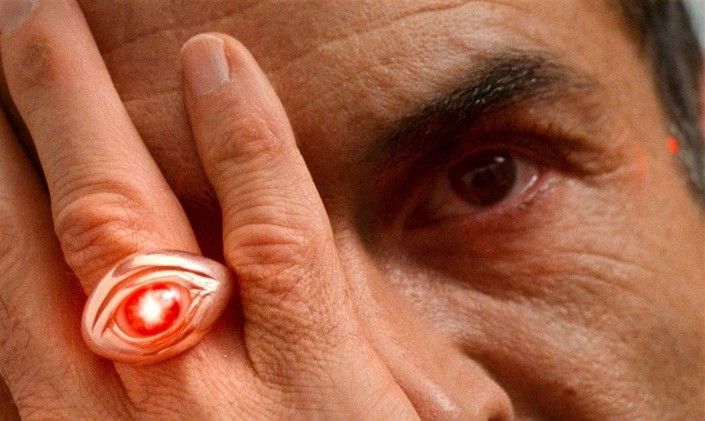
In terms of general impressions, the film is shockingly gorgeous. Nearly every frame feels like it could be hung in the louvre. The lighting, framing, and use of color create an atmosphere that feels both romantic and haunted. It is also exceptionally well edited. The rhythm of the film constantly shifts between stillness and disorientation, between quiet observation and sudden ruptures in time. That editing gives the film its pulse, allowing it to glide when necessary and fracture when it needs to destabilize.
Fabio Testi was easily the standout performer. There is a quiet gravity to his presence that carries enormous emotional weight without ever needing to announce itself. His age is not treated as a limitation but as an essential part of the film’s emotional texture. Every look grapples with so much density. It’s a performance built largely on restraint (which is ironic, given that it’s one of the showier films of the year), and it works beautifully within the film’s overall tone.
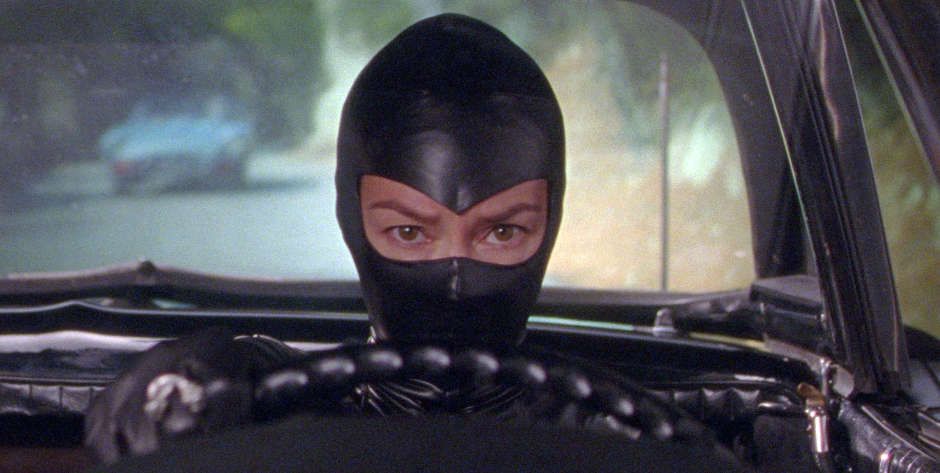
My biggest issue with Reflection in a Dead Diamond lies in the narrative structure. The film’s structure, while ambitious and often hypnotic, does not always cohere as smoothly as it might. At times, the transitions between memory, present action, and imagined space feel more jarring than purposeful. The emotional throughline occasionally gets lost in the density of the construction, leaving certain moments feeling more cryptic than compelling.
Even with that criticism, the experience of watching this film remains powerful. There is something deeply committed and sincere in the way Cattet and Forzani approach this material. The film will not be for everyone, despite the crowd-pleasing adventure. It is interested in sensation, in memory as distortion, and in the way identity erodes and reforms over time. Reflection in a Dead Diamond may not hold together seamlessly in every narrative sense, but as a cinematic object and as an experience, it is striking, immersive, and difficult to forget.

4 stars

 From the Fourth Row!
Leave a comment