
Beyond Utopia premiered at this year’s Sundance Film Festival. It garnered a lot of critical acclaim from those who saw it, but it wasn’t bought right away out of the festival. Eventually, Roadside Attractions bought the distribution rights and now it’s getting an American-wide release. I’ve wanted to see it ever since I heard about it out of Sundance and it was worth the wait. It’s one of the best documentaries I’ve seen all year.
The film consists of a man called Pastor who helps families escape from communist North Korea and reunite with their families in free South Korea. Also, a woman who defends women’s rights is trying to get her son out of the country. The film goes back and forth between these two ordeals. It shows how difficult it is to get one person out of this country let alone an entire family. The escape route is through China, Laos, and Vietnam, all countries that are sympathetic to communist North Korea.
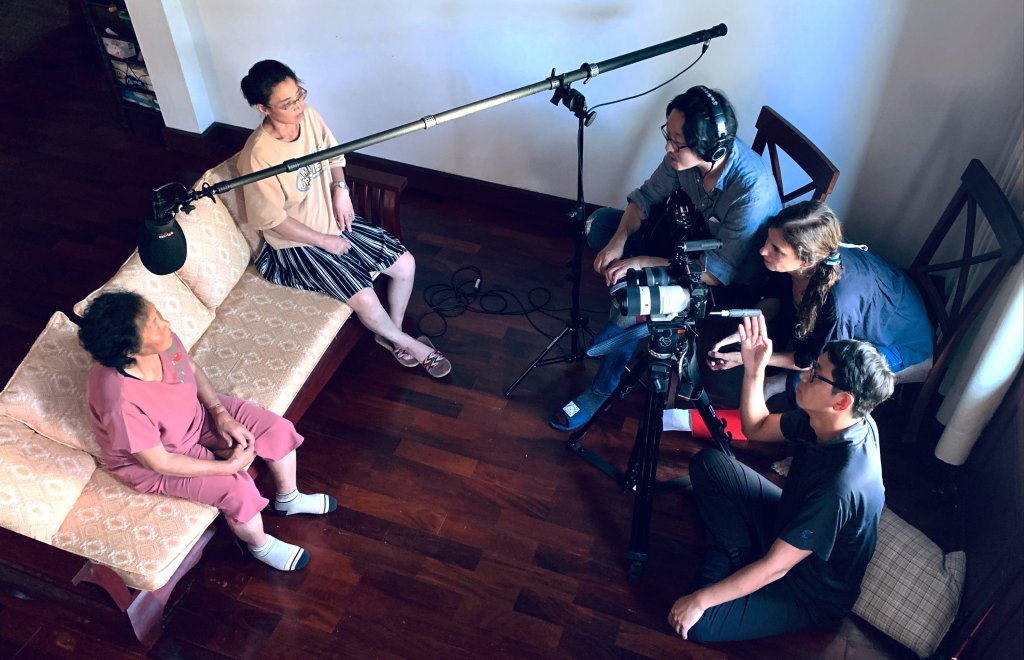
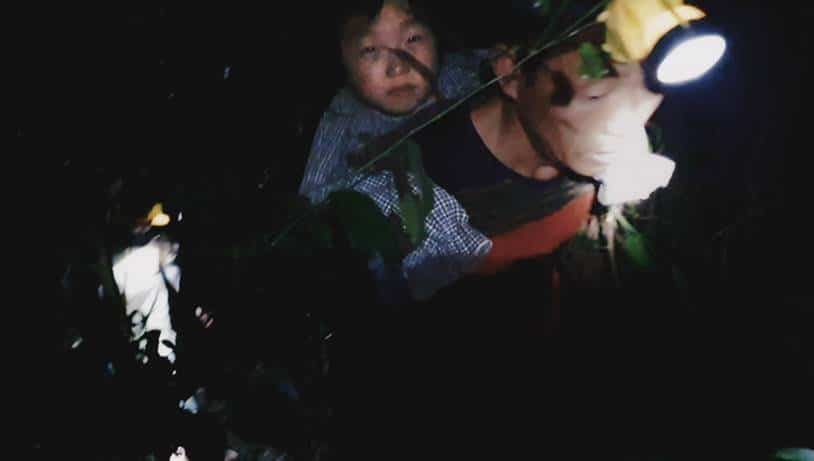
The movie is like a lot of other documentaries in the sense that it has talking heads but is vastly different in other ways. It follows this family through their paralis journey through rivers, and jungles and hiding from authorities who are looking to return them to North Korea for financial gain and praise along with vacation from their jobs. This is quite the journey for these people who are also interviewed at various safe houses they are hiding at.
There is also a lot of archival footage of how North Korea got the way it got throughout history. This is a history lesson for those who didn’t know about this communist country. It’s like living in a third-world country. The people live a life of slavery in a way. They have to give all of what they have to the communist regime led by Kim Jan IL. He tries to shelter his people from the truth that is the rest of the world. His father did the same before him. He would rather build nuclear weapons than feed his people. They are lucky to have a bowl of rice each night for dinner.

The film also uses a lot of pictures and because these people are Korean it uses subtitles. The interviews conducted by the filmmaker are quite quickly paced but because the material is so interesting you can’t take your eyes off of the screen. Each cutback between the two sagas and the people who are in the thick of what’s going on is so dramatically done. I was glued to every word I read on the screen. The talking heads all had me completely enthralled by every word and all the things they shared about their experiences.
One woman who had already escaped from North Korea gives her testimonial about what it was like living there and how having her freedom has shown her what she needed to do with her life moving forward. The arduous journey aside, this woman’s story was equally fascinating to me. She expressed how hard it was for her and so many others to live in this country. They even had kids that they paraded out in games for the country to see but they trained for these games harder than the average athlete would train. It’s persecution in a sense. The leader of the country disguised what it was really like in this country. He even stole the mantra of the Bible and Jesus made it his own country’s story and banned the Bible from his country. This is how crazy this man is. The woman was so informative.
The tip of the iceberg for me was the fact that the town on the other side of the North and South Korean border was called Utopia, which is a perfect place to live. We all know now what it’s truly like in this country but most of these people believed in this communist dogma that the leader of the country is spewing. This country is far from a Utopia but it’s still a fascinating word to call a town in a communist country. The film proves otherwise what this place truly is. The documented story of these people is truly one of the best films I’ve seen all year and is surely an early Academy Award frontrunner for Best Documentary Feature for Madeleine Gavin and Roadside Attractions.

5 stars
Dan Skip Allen

 From the Fourth Row!
Leave a comment