
Documentaries are an interesting style of filmmaking. There are so many different types of stories they can tell. My favorite is one that I wasn’t familiar with or never heard of. That’s the case with “Deaf President Now”. There are so many stories that haven’t been told, and they are just waiting for someone to take the time to tell them. That’s the case with this one. Nyle DiMarco and Davis Guggenheim, the directors, told this story in a typical fashion, but it still fascinated me because I wasn’t familiar with it. It’s about an unrepresented community, so it is a pretty important story to be told. It has a little bit of a relatable factor to me as my brother is partially deaf.
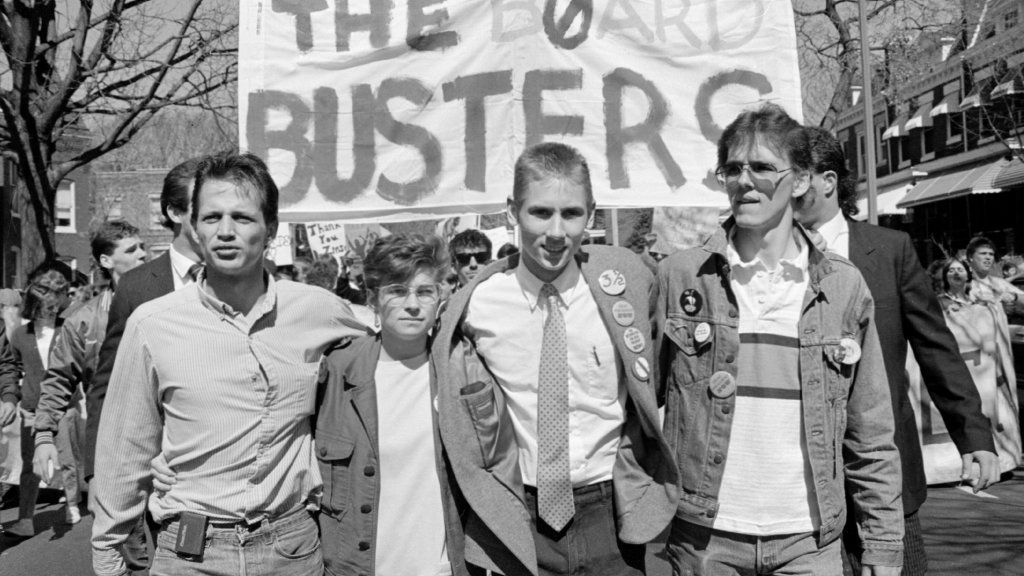
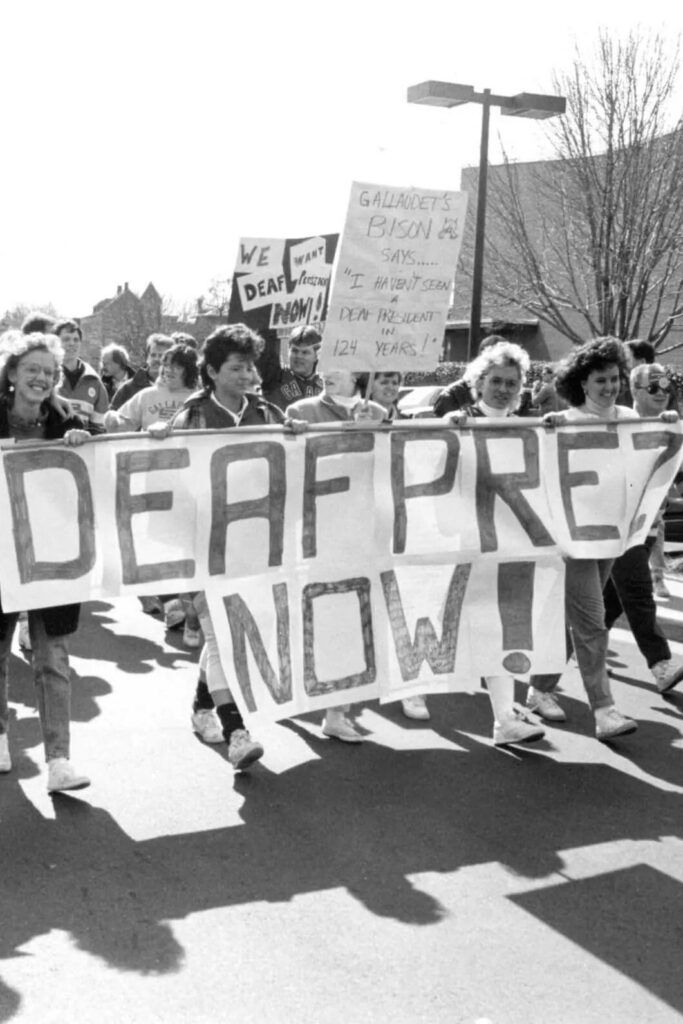
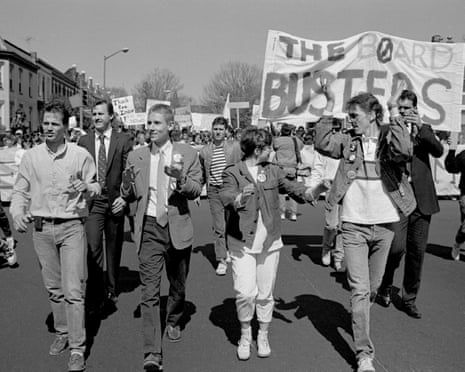
Gallaudet University, in Washington DC, is an entirely deaf learning institution. For generations deaf students from around the world went there for an education geared towards them. The only problem was that they didn’t have a deaf president. That could possibly change as two candidates were up for the job. Unfortunately, the board of directors led by Jane Bassett Spilman appointed a hearing person once again as the president. This caused an outrage with the student body, and they started a protest. This became national news as the protesters shut the gates to the school and wouldn’t allow anyone in until they were heard regarding their demands for a deaf president. Elizabeth Zinser was the woman chosen, and she was under constant scrutiny from the moment she was appointed. She couldn’t even sign, which was a major issue for all those who opposed her. That’s just part of the story.
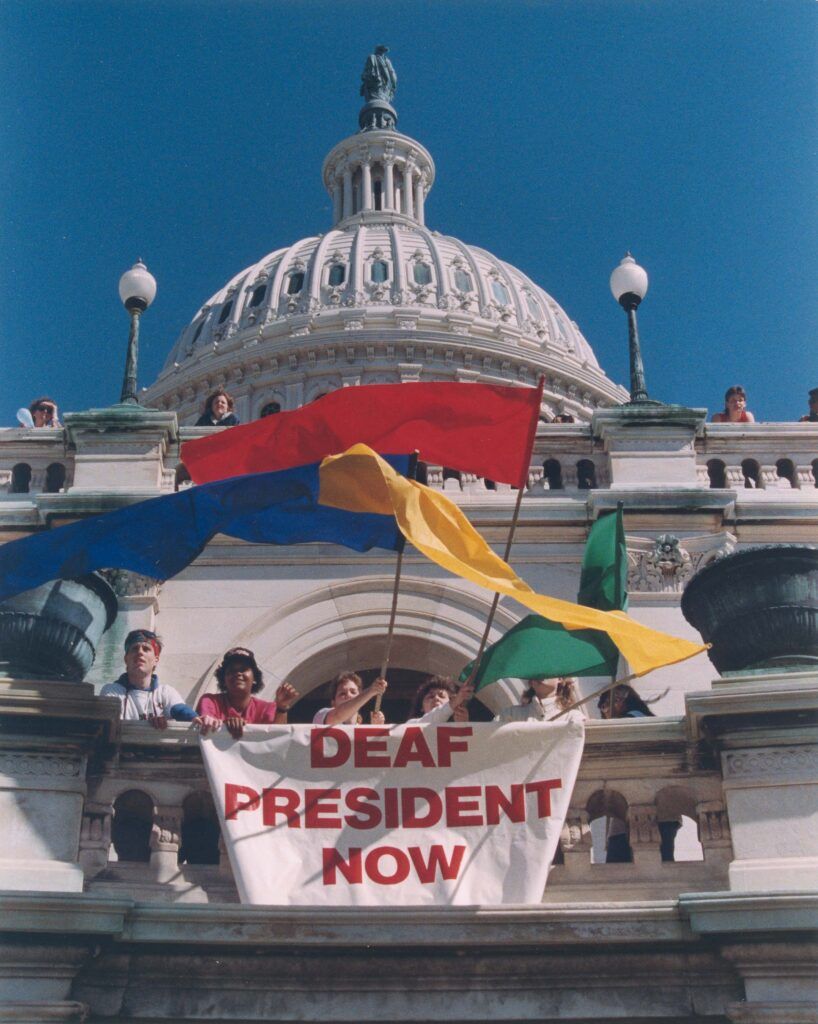
Three members of the deaf student body stepped up as leaders of their movement. Greg Hilbok, who was the student body president, was voted the de facto voice of the cause. Jerry Covell was more of the boisterous representative who fired up the students and galvanized them regarding what to do. Bridgetta Bourne-Firl was the female representative. She talked about female issues but was a strong member of the coalition. She didn’t veer off from her beliefs at all. Tim Rarus was the fourth of the leaders. Together, these four were the voice for the deaf community at this school, but in a way, they were the ones who signed on behalf of the deaf people all over the country. This was the beginning of a civil rights movement for people with disabilities. Even though they’d say they aren’t disabled. That’s another side of this story altogether.
The deaf community used what is called a TTY to communicate with each other when they had to talk long distances. This is how some of the conversations took place regarding their demands. Dr. I King Jordan was a man who taught at Gallaudet University, and he applied for the president’s job. He didn’t get it, but he decided to speak up on behalf of the students. He wasn’t always deaf though and the students didn’t trust him because of that. He eventually got the students back on his side, though. Because this is a true story, there is more to the real events that I won’t spoil here. If anyone wants to know the rest of the story, they should watch the movie.
As aforementioned, I said there was a relatability factor to this story. I have a twin brother who is partially deaf in one ear. He has constantly had problems communicating on jobs and so forth. He speaks loudly in mixed company, and he does the same around family and friends. Being deaf has caused him a lot of issues in his life. I don’t completely understand the plight of the deaf community, but I understand a little bit of what they are going through. Based on my brother and how he has lived with this deficiency. I genuinely feel bad for people like this, but even they would say don’t feel bad for them because they don’t have a problem. It’s just who they are as people.
There is a lot of archival footage from the protestors, press conferences and television interviews, and so forth in the documentary. These scenes took up a lot of the film. They helped the narrative quite a bit. Those as well as the talking heads. Mainly, the talking heads were the men and women whom I’ve already mentioned. All the archival footage and talking heads helped me understand the story better. I’m sure this will be very informative to those who watch the documentary as well. The celebrities like Ted Koppel made an impact on me while watching the film. All the news coverage made this story more important. The film took place over 8 days in 1988, and each day was clearly documented on screen.
Deaf President Now was an eye-opening film. I learned something new I didn’t already know about. This was an eye-opening story. Civil rights can be more than just for Black or Asian people.They can be for people with disabilities as well. It’s just a matter that people are bothered by the way they are treated. In this case deaf people. The filmmakers got down to the point of this story. They used an interesting method to tell a day by day story. This gave the story a very dramatic feel to it. The archival footage and talking heads were exceptionally depicted throughout the documentary. This is one of the best I’ve seen this year. I’m sure many in the deaf community will love it as much as I did.
4 ½
Dan Skip Allen

 From the Fourth Row!
Leave a comment