By Kyle Flynn
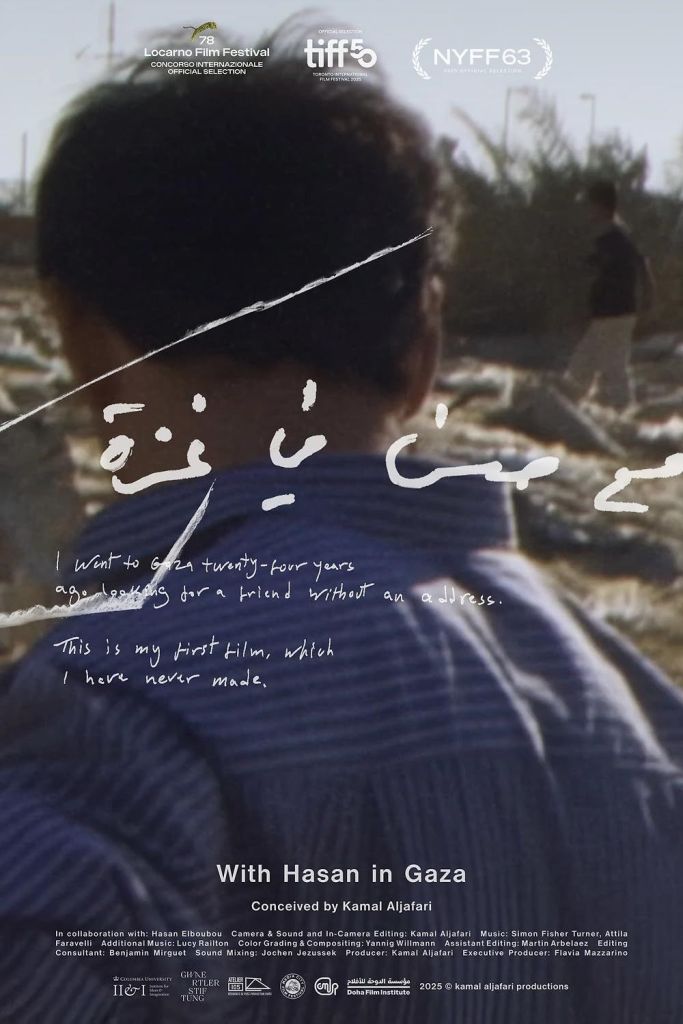
It sometimes feels like the public consciousness on the Palestinian’s Quest for Peace only began on October 7th. Truthfully, I can only remember a few meaningful conversations that I had with friends and acquaintances prior to the past two years. Now, every day, much of the West has thoughts on the innocent children in the Middle East, specifically Gaza, who are suffering. Kamal Alijafari’s film ‘With Hasan In Gaza’ is, at best, a searing portrait of what life in Palestine was prior to the massive attention, and at worst, still serves as an important reminder of the long-enduring fight for Palestinian peace.
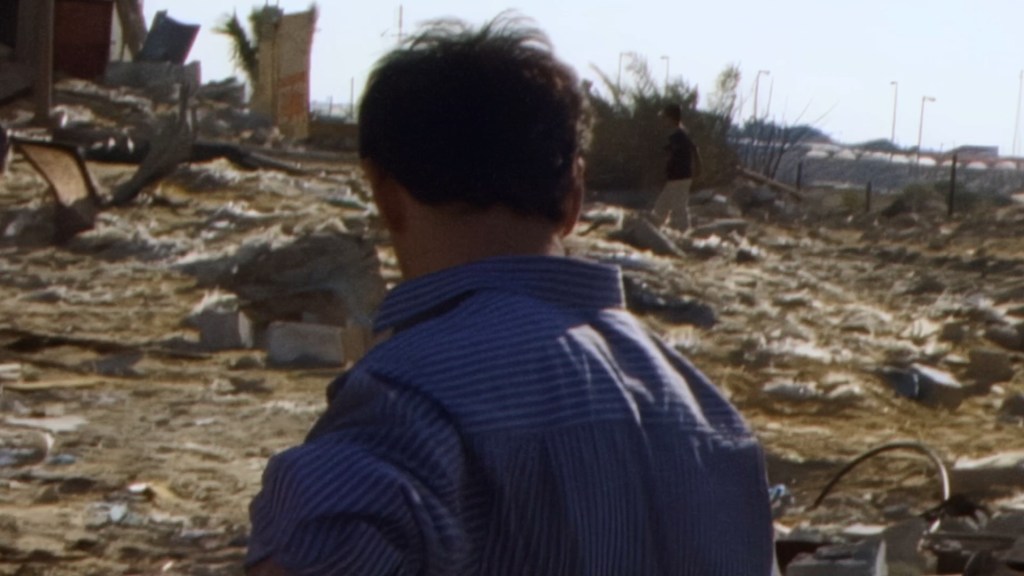
Filmmaker Alijafari constructs the film from three MiniDV tapes shot in 2001 when visiting the Gaza Strip to locate a former friend named Abderrahim. He is accompanied by a new friend and guide named Hasan, hence the title of the film, to find and locate him. This dynamic immediately creates an interesting hook for the documentary, as we see them traverse Gaza from the north to the south, and the shots of the film captured instantly resonate with the viewer of a different time. The sad reality of living of leaving under oppression in Gaza loomed over my mind while watching the film; the likelihood that some of the children in the many shots of this film did not survive long enough to see its premiere is more realistic, if not certain, than anybody would hope.

A few key scenes stood out to me while watching. There is a shot early on in the film, within a packed market area, where you can hear men shouting and selling produce, like Eggplants for Shekels. It caught my eye, just seeing how the shot follows what for many would be a part of their daily life in Gaza. I mentioned it earlier, but there are so many shots of children on bikes or on the beach; Children asking to be featured on camera, and it makes you think about the experiences they have had to lead to those moments. Perhaps, the most notable of scenes captured in the documentary takes place in the latter half of the movie, and almost instantly, while standing in a building and hearing the gunshots of bullets, they are able to determine if they are Palestinian or Israeli based on the pitch of the gunshot, making the viewer realize and question how frequent an occurrence this must be for those in Gaza to acquire that skill.
I wish I could say it all worked for me, but to me, the impact of the film would have been stronger if the footage had been utilized in a way to more clearly parallel life two and a half decades later. I wonder if Alijafari played around with making the film a short; a lot of scenes never reach the heights of those pivotal scenes you are left thinking about. Lastly, without spoiling the ending, where the film ends up in the last fifteen minutes, to me, it did not serve as a proper payoff to the journey we follow Kamal and Hasan on.
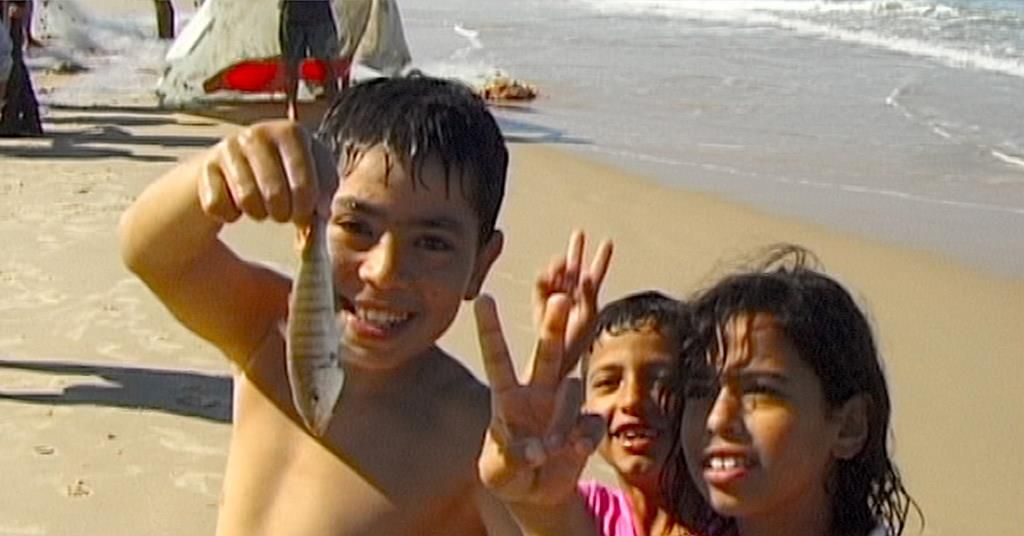
Despite my reservations about the length and the lasting impact of the majority of the moments captured. I think the raw footage of women and children in Gaza, the landscapes, the homes, and the market stalls shown leaves so much to chew on and think about. I would recommend it for the sole purpose of having a better understanding of what life was like in 2001, but as a documentary, it falls flat in too many areas for me.
3 stars

 From the Fourth Row!
Leave a comment