
By Kyle Flynn
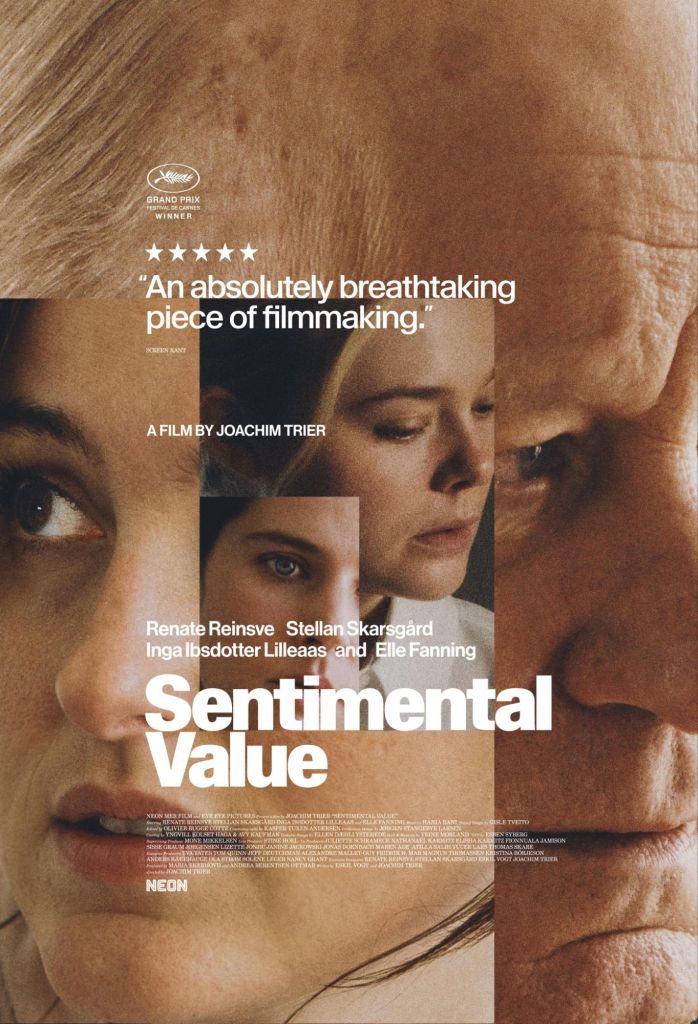
My first in-person film of this year’s TIFF was the follow-up to Joachim Trier’s The Worst Person in the World, which I found affecting, even transformative, during its initial release. Naturally, expectations for Sentimental Value were high. Trier’s newest work marks a major turning point in his career, arriving after his most widely celebrated and commercially successful film. The story follows an absentee father—himself a filmmaker—his two daughters, and the complicated emotional fallout that arises when he asks his daughter Nora to star in a film he’s written.
The film moves like waves in the ocean—sometimes gently carrying us forward and sometimes crashing hard. There’s a fluid, organic quality to its structure, but also moments where the narrative seems to drift a little too far out to sea. Trier’s vulnerability is on full display here, and it feels as though he is working through something deeply personal. This makes Sentimental Value intriguing, but also uneven, and perhaps a little on the nose subject matter-wise. The intimacy can feel raw, but the film occasionally struggles to keep its emotional current focused.
The screenplay is elliptical, often leaving conversations and scenes hanging in midair. The opening scene immediately brings you into the world by delivering an exposition dump with the information you need. Continuously, throughout the film, there are moments where we flash back to aid the viewer with additional context for the reasoning that the relationships are what they are. While this allows the characters to feel authentic, it also creates a certain distance for the viewer. The emotional arcs sometimes feel sketched rather than fully realized. Much of the dialogue tickled my brain, I must admit, and it left me thinking about the questions it posed.
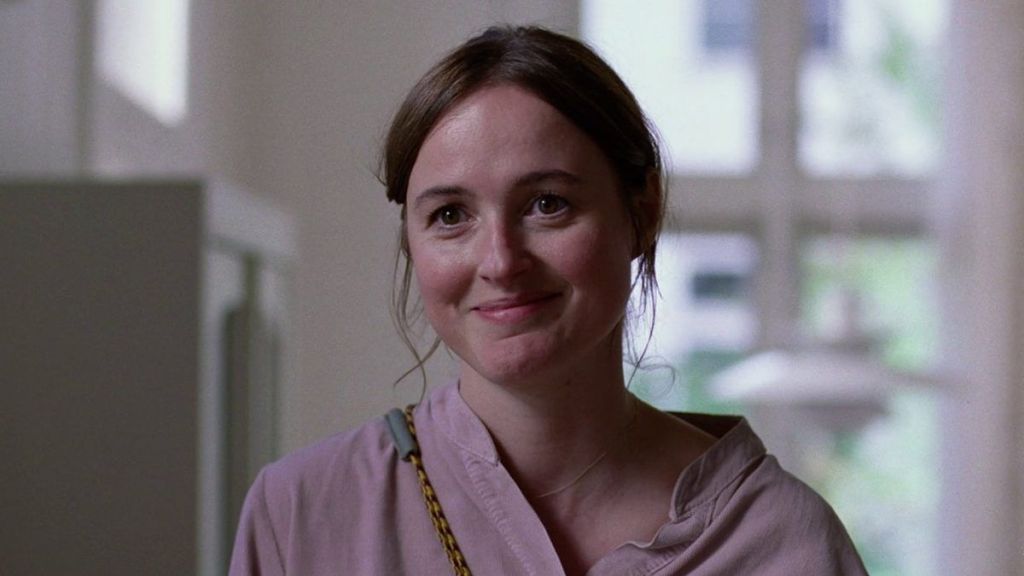
What keeps the film engaging are the performances. Nora’s, played well by Renate Reinsve, conflict feels honest and complex. Agnes, played by the brilliant Inga Ibsdotter Lilleaas, touched me in the core and works as an excellent foil for the character of Nora regarding how they each view their relationship with their father. The two sisters provide a grounding counterpoint but occasionally feel underdeveloped, as though they exist primarily to contextualize the father-daughter relationship rather than stand alone. The father is portrayed with nuance, neither demonized nor fully absolved, though his interior life remains frustratingly out of reach.
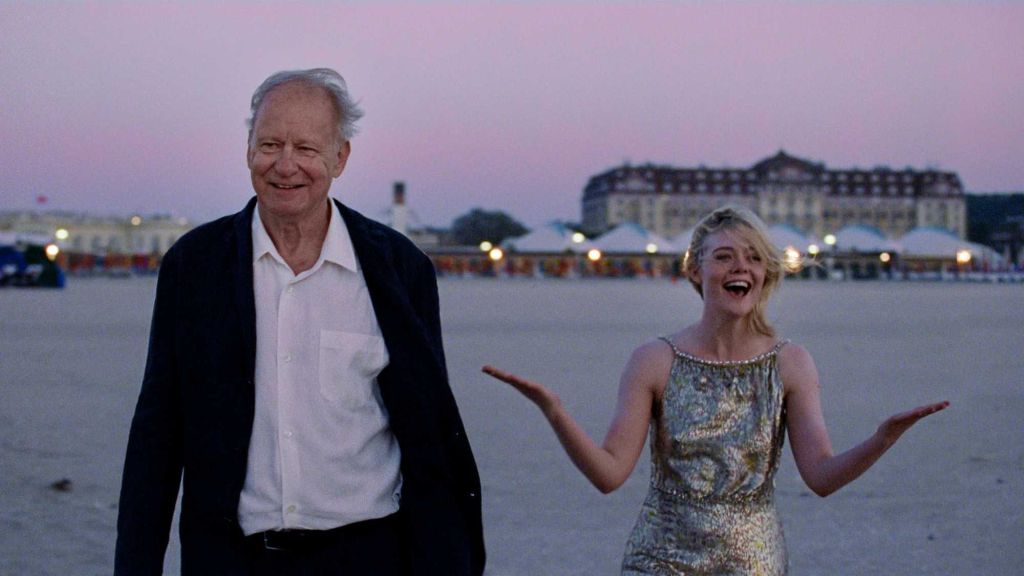
I spoke fairly openly with other critics after the film about how taken I was with Stellan Skarsgard’s portrayal. The quiet manipulation throughout is acted perfectly, the final shot shared with Renate Rensive is played with melancholy and reservations. Of the four main actors, I found Renate to be the weakest, which feels like a cop-out, as everyone is good. Stellan and Inga are standing above the rest. Elle Fanning, one of my favorite working young actors, is great as usual, but doesn’t quite live up to the heavy lifting from Stellan.
Visually, Sentimental Value has Trier’s usual quiet elegance. The cinematography is restrained but gorgeous. The editing, I imagine, may be divisive with the amount of hard cuts to blacks throughout the film. For me, it made the film. I adored the editing of this film, and it remains one of the strong choices made in a movie that I feel may wrongfully be lionized for having the impression of strong choices (it doesn’t have many). Lastly, I love any film that puts an apparent effort into the contemporary costume design.

In the end, Sentimental Value is a thoughtful exploration of that very small intersection of Art and Family; it isn’t always as affecting as it wants to be. Its looseness may feel refreshing to some, but to others, it may read as meandering, and sadly, I align with the latter. This is a film that lingers, yes, but perhaps more as a collection of moments than as a cohesive whole. Trier deserves credit for taking a risk and turning inward. The performances are so strong, and the dichotomy it balances on art and family is enough for me to say it is good.
3.5/5 stars

 From the Fourth Row!
Leave a comment