By Brian Susbielles
Baseball idols are far and long associated with era, position, team, number, and, especially with Jackie Robinson, race. The color barrier was taken down in 1947 when Robinson joined the Brooklyn (now, LA) Dodgers, the first Black player in the modern era, and it wasn’t long before other minorities were signed up for their talent. Prejudices may have remained, but once some of these players excelled on the field, that melted away. If you have seen the film 42, you will remember Harrison Ford as Branch Rickey, the President of the Dodgers, who finally sought to integrate the game with the right player, finding Robinson, played by Chadwick Boseman, who faced a great deal of criticism for even rubbing shoulders with white players.
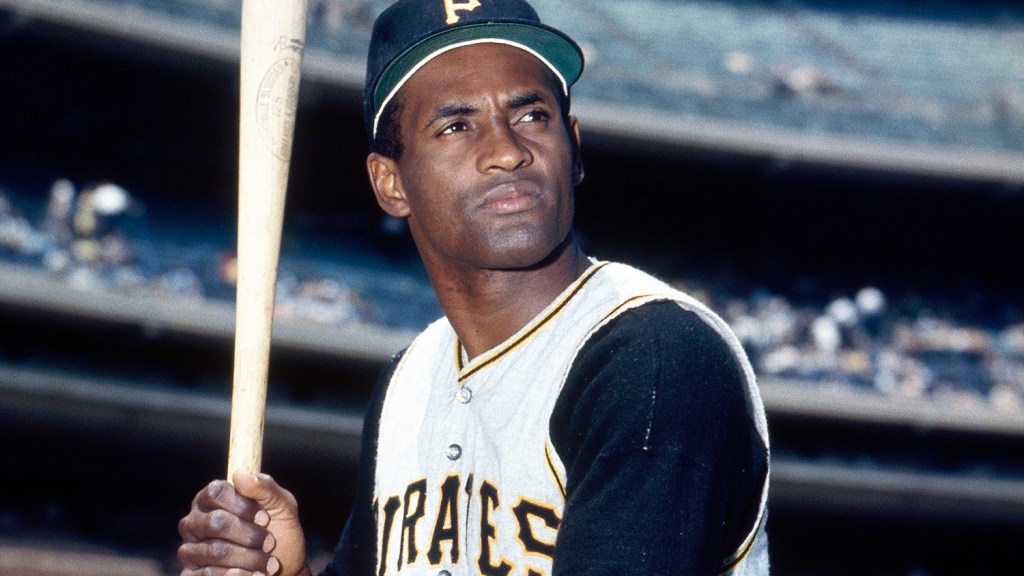
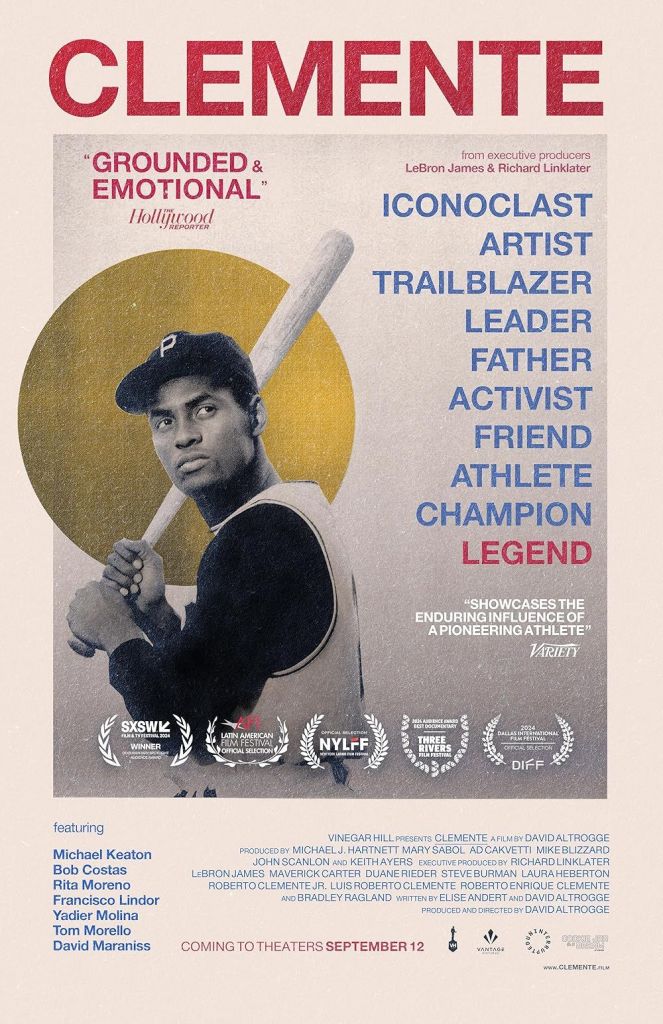
Right around the corner was the start of Latino players coming into the game, as their talents were obvious, including our main subject. For those who don’t know anything about baseball, let alone know who Roberto Clemente was, consider this documentary a perfect rundown of how important this man was to the sport. The story is rooted in his native Puerto Rico, talking to his two sons, surviving brother, and his now-deceased widow, where he was raised on a plantation with his middle-to-working class family and had nothing else to do but work and play baseball as a child. Even in the 1930s and 40s, the sport boomed in the Caribbean as it held Winter ball for professionals looking to play after the regular season ended, as well as attracting Negro Leaguers, still banned from playing the Major Leagues at that time. It becomes obvious he is a natural at the game and comes at the perfect time when teams are integrating their rosters.
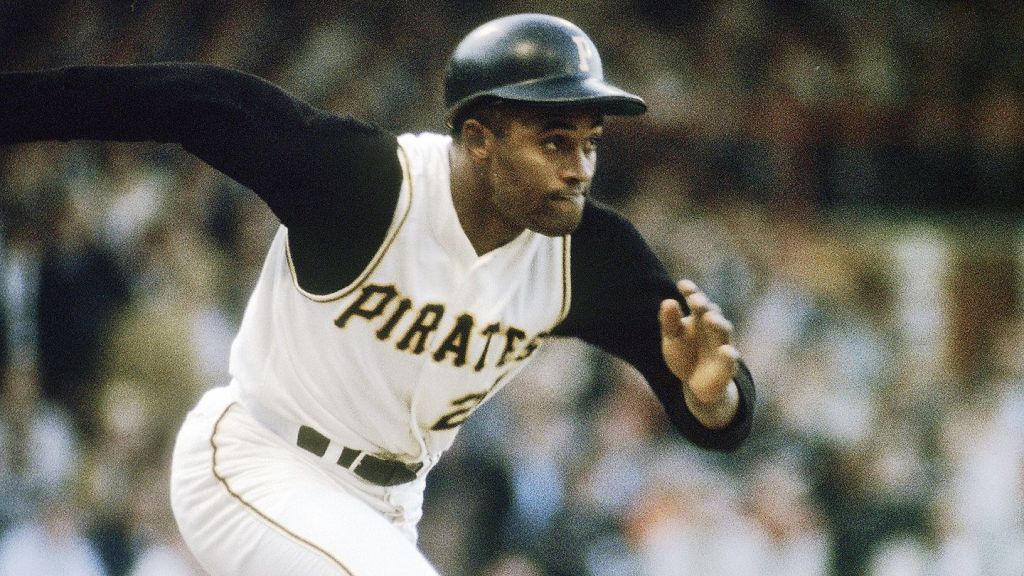
He gets the attention of the Pittsburgh Pirates, hapless at the time, but, coincidentally, was being run by Branch Rickey. The story jumps to Pittsburgh in 1955, where Clemente was a stranger in a strange land, no longer on an island, but an industrial smokehouse still run by steel mills and other blue-collar industries along multiple rivers. The Pirates were a joke when he arrived, but in no time, the team became formidable and went on to win two World Series championships. Here, we then diverge from the baseball side and go into the human side that Clemente was really adored for. Remaining humble to his roots, Clemente refused to be named “Bob” by the media, trying to simplify his name, and recognizes the importance of presenting himself as a Black Latino player in the middle of civil unrest during the period.
Along with his family, a few of his surviving teammates, biographers, Pittsburgh native Michael Keaton, and even director Richard Linklater (who is an executive producer on the doc) are also present to talk about the legacy of Clemente’s talents on and off the field. He was never outspoken but was always a player who saw the importance of pleasing the fans. The one thing to really take away for those who have never known of him is that his humbleness and desire to help others really shined off the field because it is something all those interviewed really found fond of him. Never a selfish man, Clemente’s humanitarianism unfortunately led him to his sudden demise, aged 38, an event that clearly still affects everyone who was alive around him to this very day.
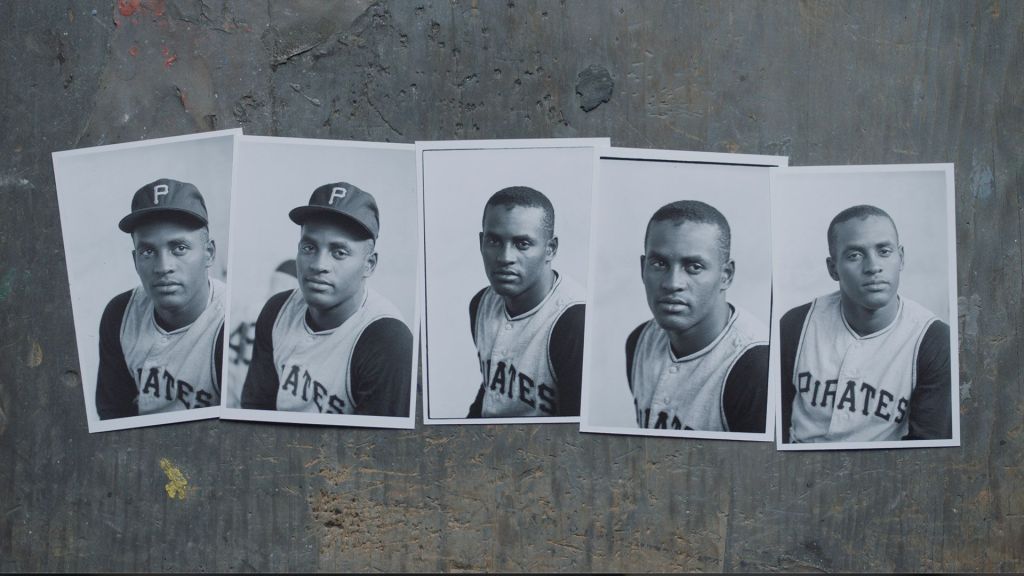
Director David Altrogge makes Clemente the real tribute to someone who should be memorialized by number 21, as Jackie Robinson was for his historic career. The amount of archive footage shows how physically talented he was, where some of the things he did are not teachable to kids who want to be professional ball players, but how he conducted himself is. Hearing voices from Latino players of today who idolized Clemente shows the lasting legacy 53 years after Clemente’s death still has, especially in Pittsburgh. While the documentary is mainly pedestrian in presentation, it does its job in telling his story for a general audience and those who love baseball and know this important figure in history.
3 ½ stars
Follow me on X (Twitter): @brian_cine (Cine-A-Man)

 From the Fourth Row!
Leave a comment