By Dan Skip Allen
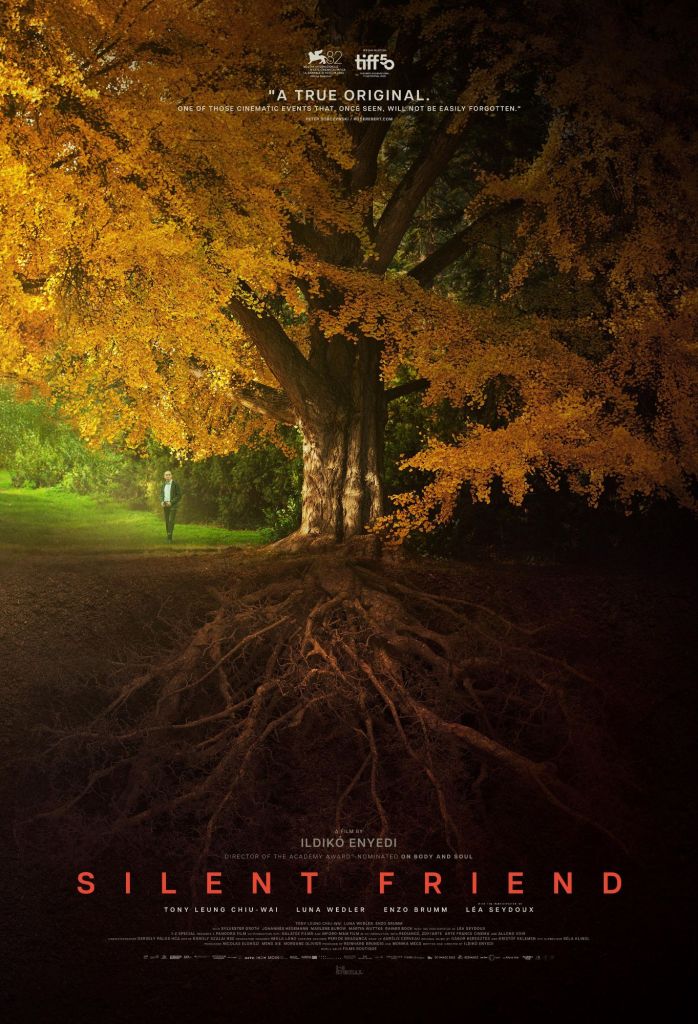
“The Tree of Life” was a Terrance Malick film that came out in 2011. It was highly acclaimed by critics and won the Palm D’or at the Festival de Cannes that year. Most audiences are divided on that film, and so am I on the film I’m about to talk about that should have had that name instead of “Silent Friend”. It would have been a more applicable title in my humble opinion. That being said, they both have a similar vibe to one another. I think the director of this movie, Ildiko Enjedi, was channeling Malick a bit because they are oddly similar in tone even though the characters are different.
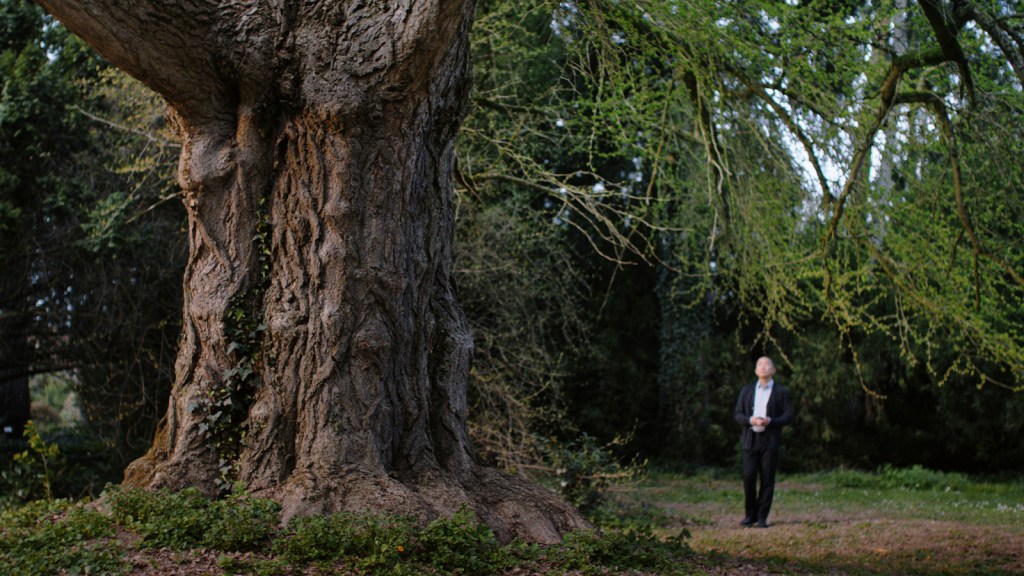
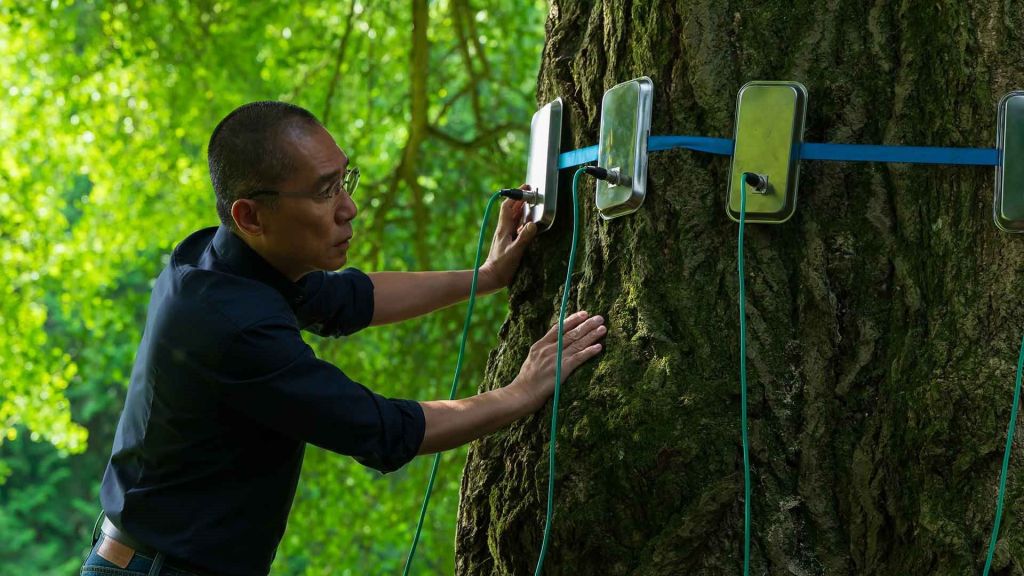
The film follows three different groups of characters in three different eras of history. The first was a professor, Tony (Tony Leung Chiu-wei), in the early 2020s. He sometimes interacts with Alice (Lea Seydoux), another scholar who studies brain patterns and how plants and people have similar connections. While stuck at the university in Germany, the professor starts to study a big tree on the grounds. Also, the film follows Grete (Luna Wadler), who is a woman who attends an all male university and becomes a photographer at a local shop where she lives in 1908. She is looked down upon by her peers because of her intelligence but developed a relationship with a man who respects her for her smarts and interest in the connection between plants and humans. The third story follows another young college student who is fascinated by a girl he met while sitting in a field of grass. They bond over her geranium and how its growth is determined by sunlight and how happy it is. They become quite acquainted with each other on a romantic level as well. All three of these stories are connected through their love of plant life and intelligence.
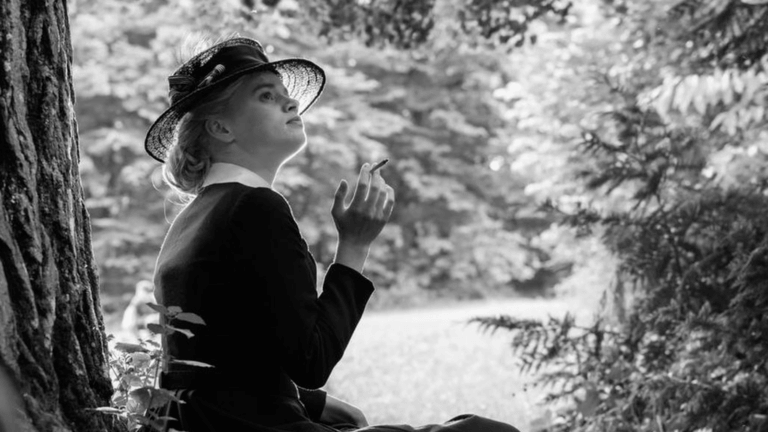
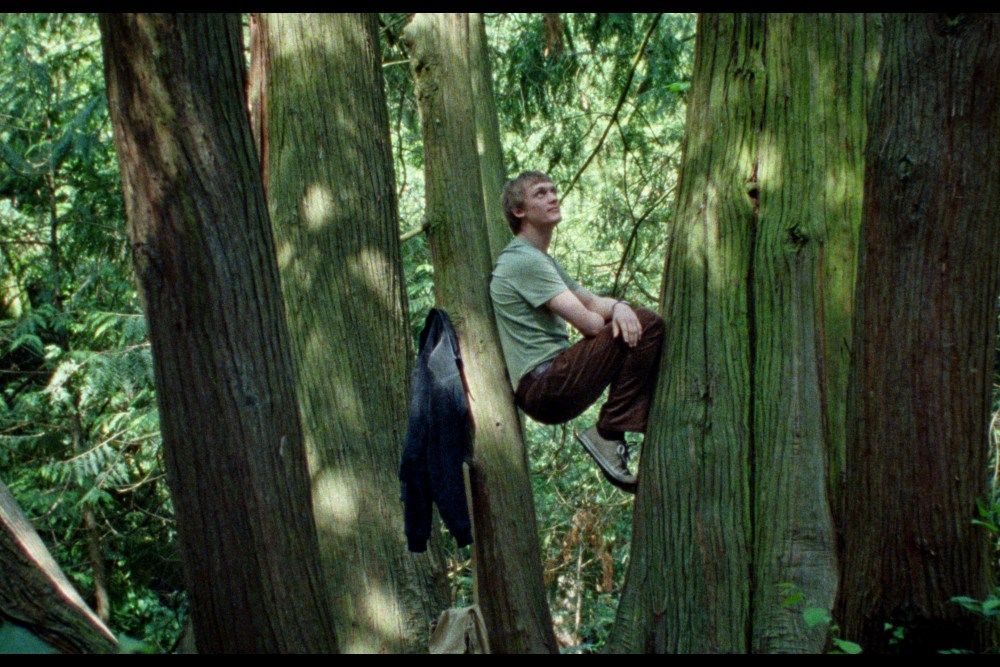
The movie uses three different styles of filmmaking to show the different eras in history. 16mm, 35mm, and digital were all used in this film. This was one of the best parts of this movie. The three distinct styles show the various characters in a certain light, which gives more depth to them. The Black & White, which was filmed in 16mm, showed the times that were very reserved and women weren’t given opportunities as intellectuals at this time. The 35mm showed the 70s as a free period, and the two characters focused on here gave that vibe as well. They were smart but felt freedom in the way they were doing things. Their relationship played into that quite well. The digital showed a more reserved quiet intellectual time because it was set during the covid-19 pandemic era. The main characters came from a very higher level of thought and took the connection between plants and intelligence very seriously. I clearly noticed the difference between the three eras and how they chose to tackle this subject matter differently.
Despite the filmmaking styles being so good, it would be crazy to have something that tops it, and that has indeed happened here with the acting. All of the acting from people you may know, like Lea Seydoux and Tony Leung, to newcomers like Luna Wadler, Enzo Brumm, and Marlene Burow all give fantastic performances. They all have one thing in common. They are subtle and reserved, which parallels each of their subsequent stories perfectly. With stories such as these in the film, you can’t have performances that overshadow them. The quietness of each of the stories needed performances that are not that bold or out there. The director gets great performances out of each of his main protagonists. Which I genuinely loved. Especially those of Wadler, Brumm, and Leung.
When you watch a movie, sometimes things can get lost in favor of other things. In the case of this film, it’s the editing and score. The acting and cinematography are so good that you forget that this picture has terrific editing that ties all of these three stories together. Each of the three stories has their unique style and substance, but when they bounce back and forth between the stories, you get the full brunt of how good each of them truly are. The score is very subtle but effective, especially in the first story involving Leung and Seydoux’s characters. It’s not overpowering so as to let the craft of the filmmaking and acting be more noticeable. That’s why these aspects work so well.
As I had a chance to ponder this film, I thought more and more about the message it was trying to sell me on. That being plants have a thought process, and with the right care and nourishment, they can thrive as we do. We have more in common with trees and plant life than we would possibly know. All of the three stories show aspects of how humans are connected with plants or trees like brain patterns, being kind and caring to each other, and showing beauty via photography. These are just a few of the elements that connect us and plant life. That’s the true beauty of this movie. As someone who takes for granted plants and trees, I was reminded that they are very important in the world, and we as a society need to take care of them like we should ourselves. What a great film. This movie deserves to stand on its own and not be compared to others like I suggested in the first paragraph.
🌟 🌟 🌟 🌟 stars


Leave a Reply