By Dan Skip Allen
We in America have gotten used to a world of freedoms, but there was a time in our history when women didn’t have the freedoms they enjoyed these days. Other countries such as Iran, for example, don’t give women the freedoms women here have. Once the Shah of Iran took over Iran in the 80s, it was hard for women to think for themselves. Working and / or having thought is against the law there. So when Azar Nafisi moved back to her home country to teach English literature, it became a problem for her and many other women who want to have free thought and have ideas about their own bodies and sexuality. This is a tough thing for women in Muslim countries.
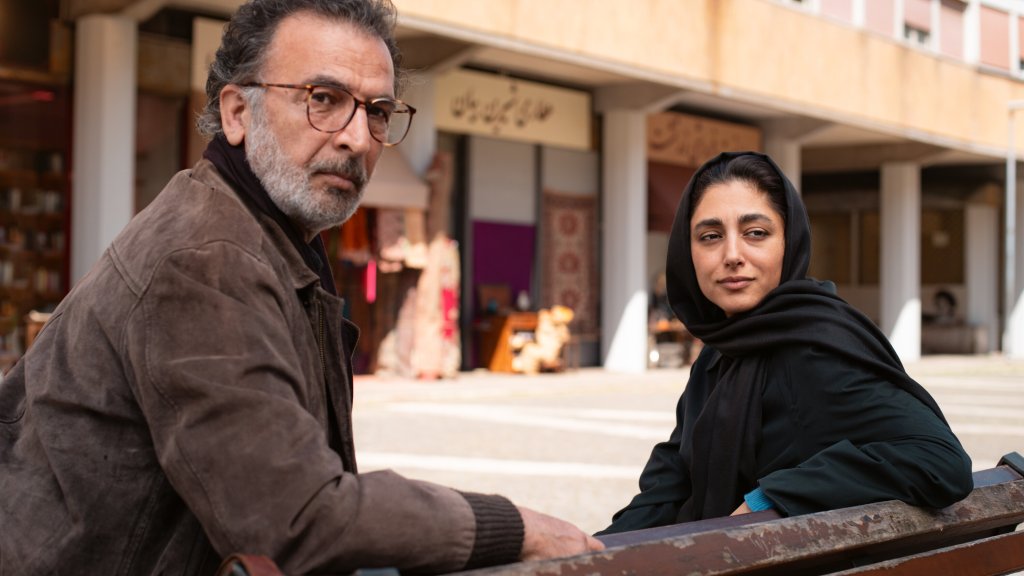
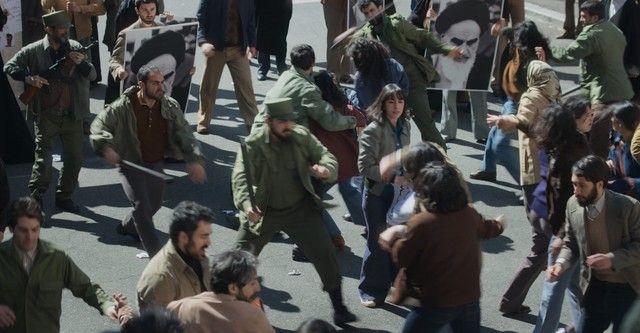
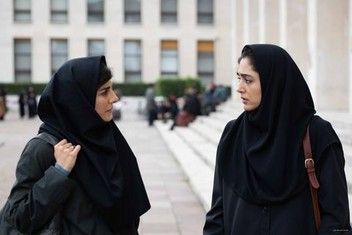
Azar Nafisi (Golshifteh Farahani, Alpha, Extraction) is an educated woman who teaches English literature. In 1979, she and her husband moved back to their home country of Iran. She works at the local university in Tehran and teaches Western literature to students, mostly women. Until riots start happening and people start to use the Muslim religion to change the way things are done in the country. When the Shah takes over as the new leader of the country, he makes all women wear Hijabs and stops free though including education involving Western ideas. This causes a problem for this woman and her female students. She decides to keep teaching her western novels involving women’s free thought and sexuality even though it’s forbidden and very dangerous for her to do so.
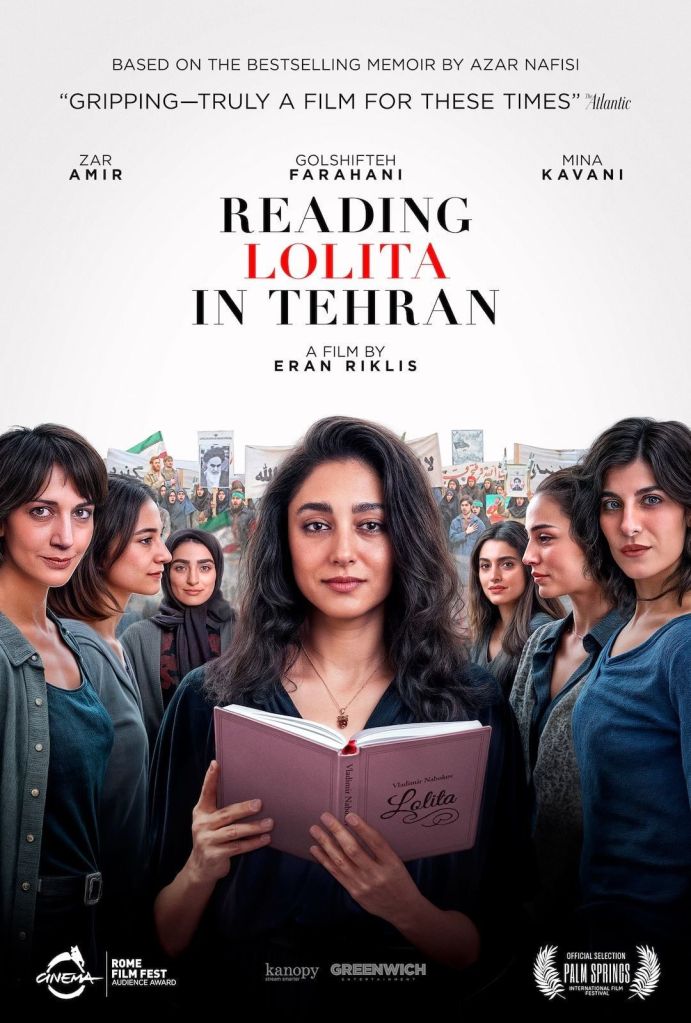
Her story is the only story in this film, and that’s one of the best things about it. It doesn’t just focus on the teacher’s character and her struggles in this Muslim country. The other women, who are in her group, Sanaz (Zehra Amir Ebrahimi), Nassrin (Mina Kavani), and the others have their own difficulties. For instance, some of the husbands and boyfriends want their women to stay home and be “Sally Homemakers”, but they don’t give them the love and affection they are looking for in return. Throw in the religious stuff, and you can see why this was a hard time for women in this community and country as a whole at this time in history. These supporting characters helped make this film that much better.
The film is separated into four parts, each named after a classic book that the teacher is teaching to her students. Starting with part 1: The Great Gatsby, and moving on to the title of the film Part 2; Lolita and subsequently Part 3: Daisy Miller and Part 4: Pride and Prejudice to round out the titles. These titles represent various obstacles in these women’s lives and how the time periods they take place show how long this has been going on and why this struggle is so real for so many women. I like this structure to tell the story because it shows time going by and how this struggle wasn’t a short-lived one. It has lasted decades, and this country is in the past regarding women’s rights compared to other countries. It’s a shame this is going on in any country.
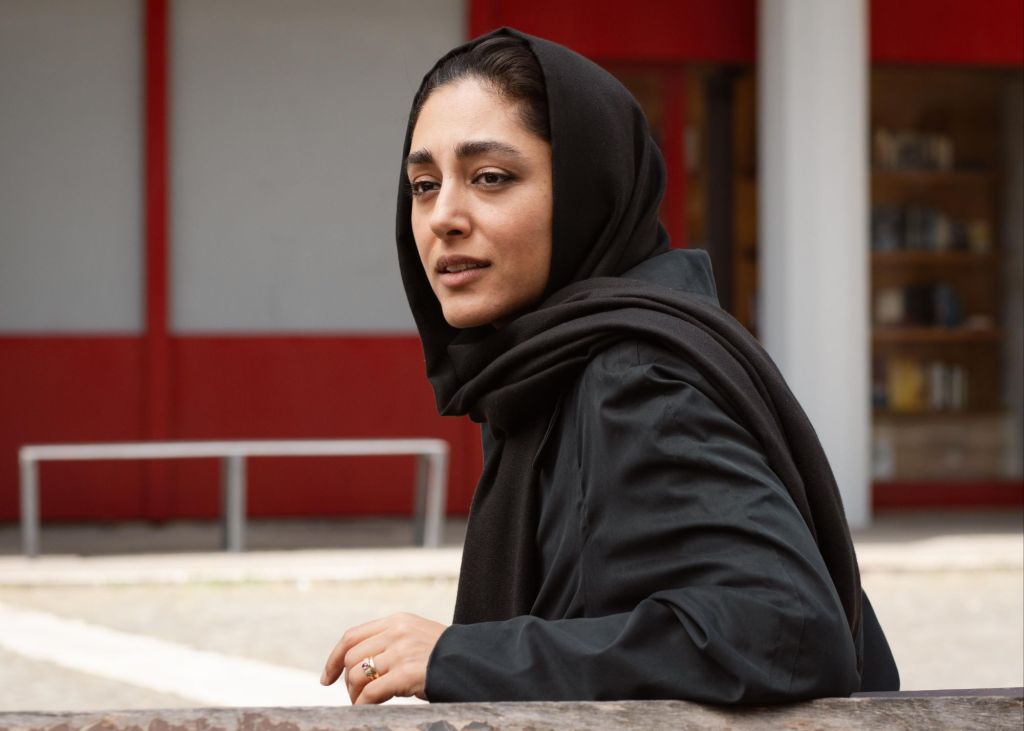
Farahani is an actress I’ve seen a few times now, and she has proven to me that she is an actress to look out for in the future. She owns every scene she’s in in this film. You feel her pain and suffering the longer she has to live in this city and country. She wants to be there for the rest of her group, but it’s like she is hitting her head against a wall because of the Muslim Republic. She even alienates her friends and family because of her stance on this issue regarding women’s rights. It’s a shame in a country this day in age or even in the 80s that women have no rights. I can’t believe something like this is still going on in the world, and Frahani is so good as this character.
“Reading Lolita in Tehran” is a film I didn’t know much about going in, but the title itself was enough for me to want to see it. Once I finally watched it I was glad because it’s such a terrific film. The director Eran Riklis had me when I saw all of these women who stood up for their rights in a penitentiary called the Evan House Penitentiary, and they were being marched out a couple at a time. Some came back into the story, and others didn’t. This was all I needed to get into this story besides an engaging lead character. This was a fantastic film showing we here in America have it a bit easy, especially women have it much better in this country than Muslim countries like Iran. This film showed how hard it is for them in these countries, and it’s a story that needed to be told.
🌟 🌟 🌟 🌟 stars


Leave a Reply