
By Dan Skip Allen
The Festival de Cannes Film Festival can be a bit of a mixed bag. There are some movies from big named filmmakers, little indie films, and movies from auteur directors. This year’s festival had a mix of all of these, but one in particular that stood out to me after the buzz came out was “The Samurai and the Prisoner” from filmmaker Kiyoshi Kurosawa (Cure). He is known as a horror director, but this time around, he wrote/directed a Samurai film. Which is typical for Japanese directors of his status. The buzz out of Cannes was high on this film, and after seeing it, I concur. It’s one of my favorite films of the year thus far. It combines two great genres, Samurai films and detective movies, so I was in at the word go.
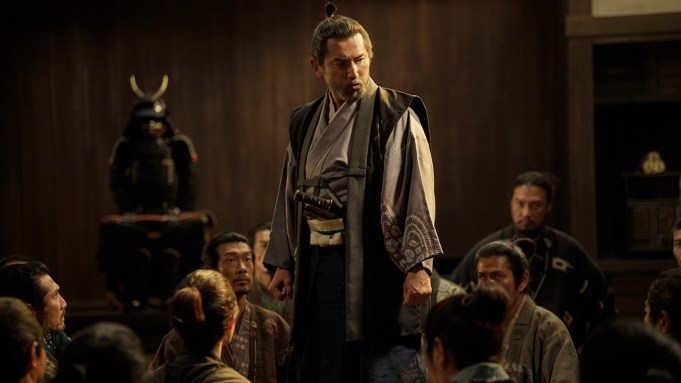
In the year 1578, two feuding families led by kings Odo and Mouri are about to begin an impending war that could kill thousands. An envoy, Kanbei Kuroda (Masaki Suda), from Odo, is sent to the home of Lord Murashibe (Masahiro Motoki) to negotiate his kingdom’s surrender. Instead of surrendering using his own hubris, the Lord decides to take the envoy into custody and make him a prisoner in his dungeon. While there, a murder happens at the home, and the Lord decides to use his strategist, who is now his prisoner, to help figure out who murdered this man. This begins a long friendship in a way between the men.
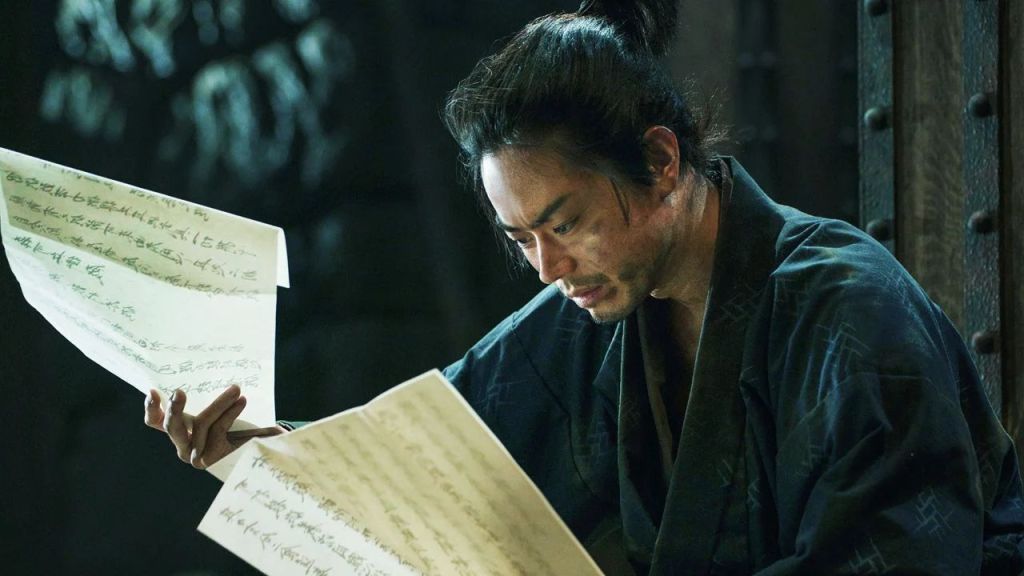
This Japanese story is called Kokuroju and is based on the novel by Honobu Yonezawa. It spans an entire year and uses the four seasons as title sequences, Winter – Jinen, Spring – The Head, Summer – Tora Saru and Autumn – Divine Punishment, and a framing device. This story format has multiple mysteries that the Lord and his prisoner have to try and solve. All dealing with in some way the feud between the two kingdoms. This feud has caused a lot of problems because some people change allegiances, some people try to help the situation while making it worse, and some people end up being traitors in the midst of the Lord’s kingdom who are loyal to the other king. This is a very complicated story if you’re not paying attention. Good thing I was.
The thing about Samurai movies is that they have an intelligent way of getting to the point of the story. The subtitles don’t do justice to the beautiful language. The men and women who are in these films speak. I’m glad they’re there because I wouldn’t understand what is being said. That being said, I love all the back and forth of the characters. The bickering or the banter. As well as some characters trying to outwit others in conversation and so forth. The Samurai aspect is one thing, but it’s the script that speaks volumes when characters are talking to one another. That’s the beauty of this language to me in this and other films of this nature.

The cast is filled with Japanese actors who I’m sure are known to their kinfolk in Japan, but a lot of them were new to me. I’m sure I’ve seen some of them here or there, but I just don’t recall as I’m writing this review of the film. This cast, though from the main characters to small roles, are all fantastic in this movie. Some only come on the scene once or twice, but they make an impact on the story and me watching them. A few interrogation scenes were funny as all the different characters were asked about a murder or something else involved in the story, and they were all different kinds of people with different personalities. This made for great acting overall from the entire cast as an example. The two main stars were incredible, though. I could watch them go at it in any kind of movie. That’s how good they were opposite one another. They are the reason to watch this film.
One of a bunch of things that I loved about this movie was the cinematography by Yasuyuki Sasaki. He was able to make the main home in the movie come to life in a way. This was the main location of the film, and he used every angle he could to give this location a lot of character. Even though the seasons played into the look of the movie, especially during winter and spring, the look sometimes was darker, but it made sense in the context of the story. Once sumer and autumn came around, the beauty of Japan was shown in its entirety. This is a beautiful country. Combined with the home scenes and outside the castle scenes, this is an absolutely gorgeous film.
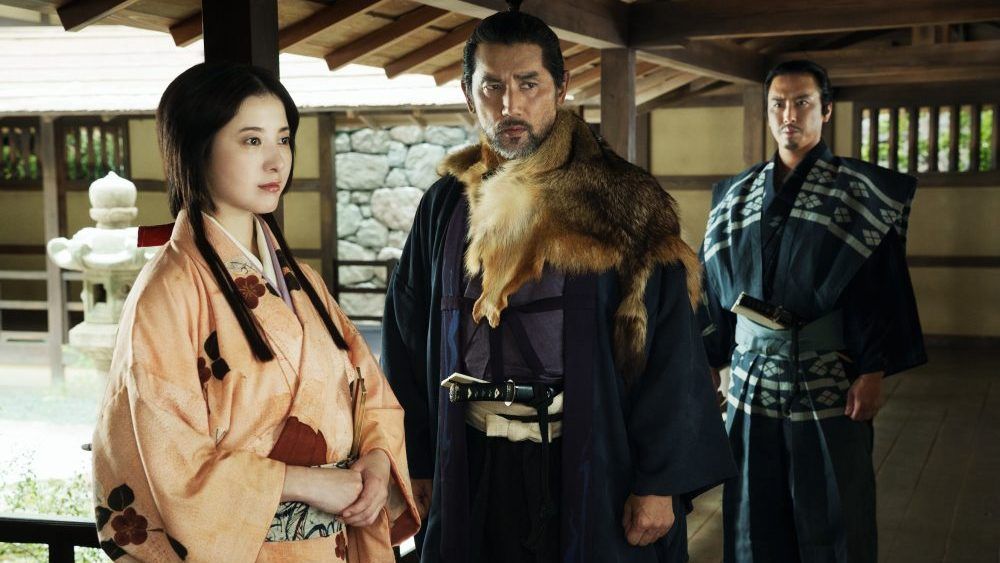
With the combination between genres I was struck by how everything like backstabbing & subterfuge, a desperate measure to live, scheming, allies, a journey, and an amazing score, came together to make “The Samurai and the Prisoner” one of the best experiences I’ve had this year watching a movie. In fact, I watched it twice to make sure I didn’t miss anything. There was a lot going on in this film. The cast is incredible, especially the two leads. They make this complicated story worthwhile. They are giving two awards worthy performances. The Japanese culture and language come to life in this story. I was genuinely drawn into every aspect of this movie. It’s on the level of Akira Kurosawa films, that’s my honest take. That’s how much I loved this movie. It’s one of the year’s best so far.
🌟 🌟 🌟 🌟 ½


Leave a Reply