By Kyle Flynn
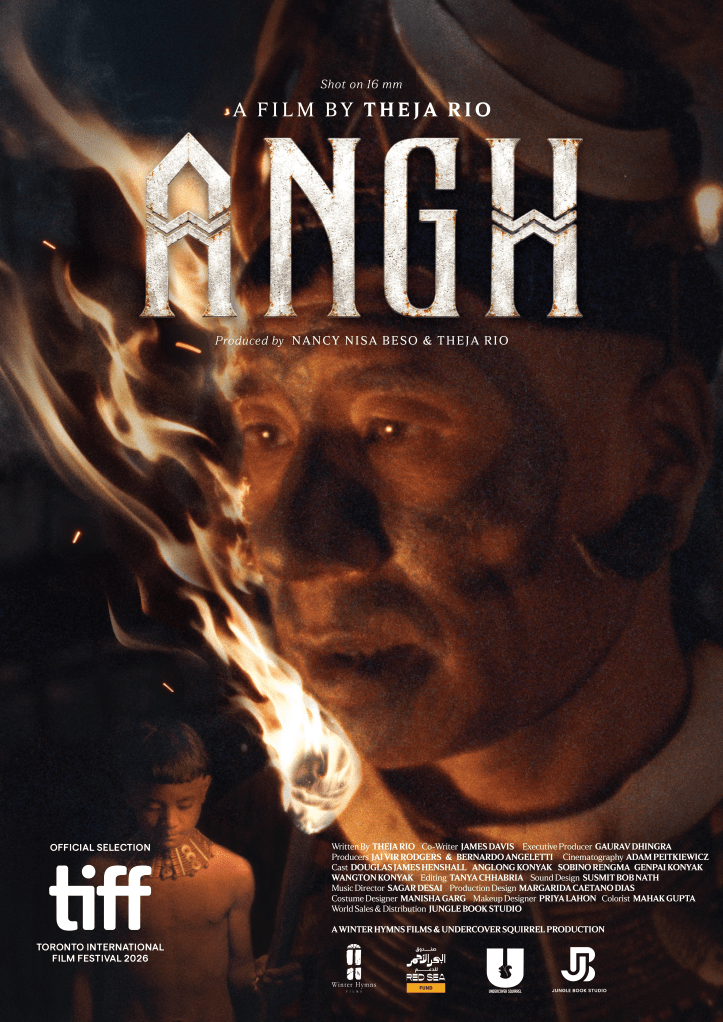
The Platform Section at the Toronto International Film Festival remains the festival’s sole competitive juried section, with the programming being comprised of international cinema from new, emerging, and established auteurs. It has gotten a lot of attention this year, with the winner now eligible for the International Feature category at the Academy Awards without its country’s submission. Watching Angh, this year’s winner of The Platform Prize. A piece of composite fiction that follows the traditions and culture of a Nagaland Village somehow manages to feel so earnest in its exploration of the tight intersection between tradition and change. Within Theja Rio’s feature directorial debut, and adaptation of his earlier short film, grants you permission to exist in the world, when so often the works of new filmmakers feel hollow at their foundation.
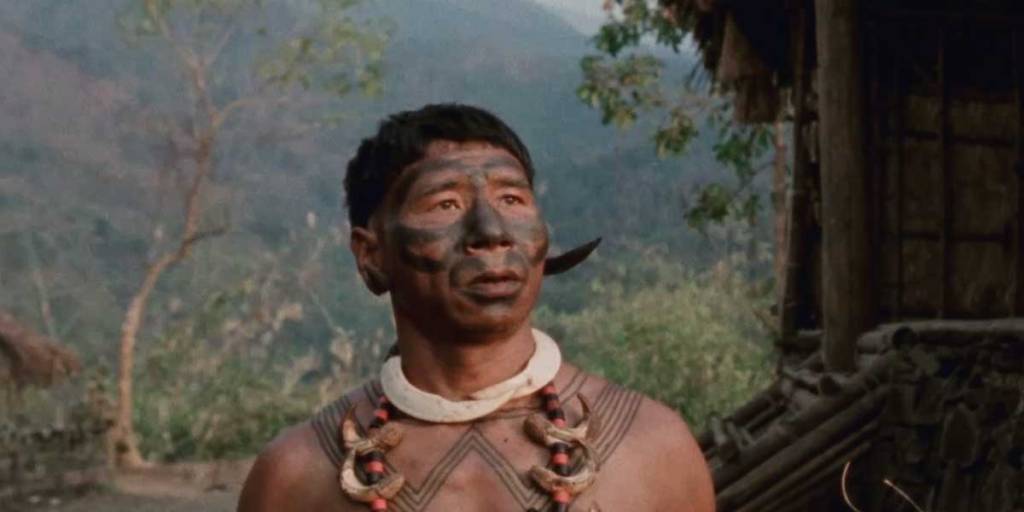
Angh centers on the relationship between a mute son (Amao) and his father (Anghba), the last chief of the Nagaland Village, amid the decline of his surroundings. When a Christian missionary arrives, his presence begins to challenge the held beliefs of their people, especially since Amao expresses a degree of curiosity regarding the mission.
I have to acknowledge how ambitious the film is for the first feature. From start to finish, invigorating filmmaking. Rio is so in tune with the camera that he manages to form an unbridled visual language in the execution of the film. The 16mm shot by the Director of Photography, Adam Pietkiewicz, looks unreal at points but is gorgeous. It’s most noticeable when you can see grain from the celluloid capture the use of fire with a crispness that’s lacking in color in digital cinematography.
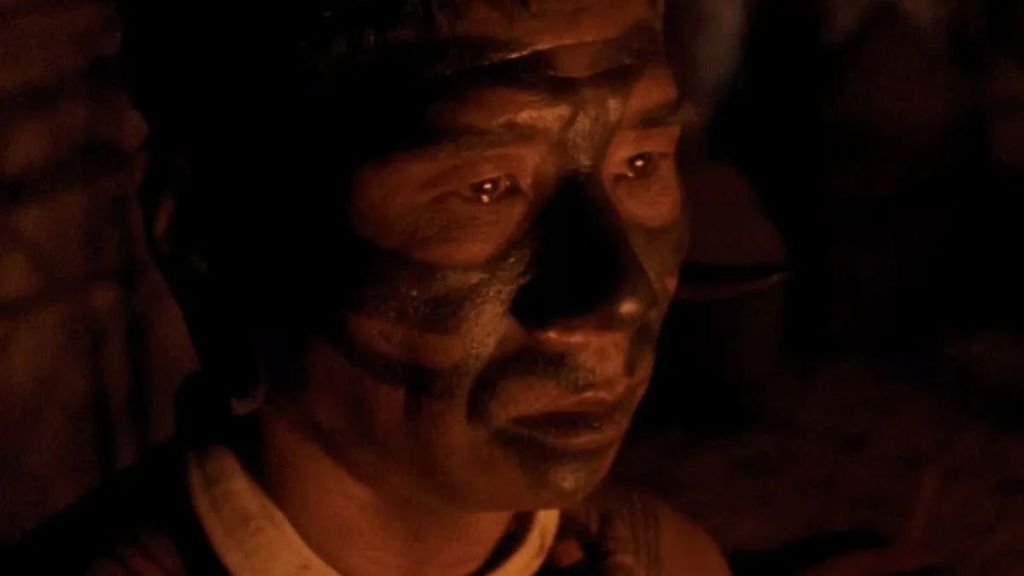
Most of the performances are serviceable, with a notable standout performance from Anglong Konyak in what appears to be his first film role. He manages to convey tightness in his body and mannerisms that resonate with the general feeling Rio wants to evoke, so the audience can pick up on what will happen to Nagaland in the future. Sobino Rengma, who plays Amao, continues down the list of strong performances from young actors delivering performances at TIFF this year. A festival that, at times, has rather hit-or-miss child performances. Douglas Henshall, who plays the ‘white man’ or the missionary, understands the assignment in the sense that you can see how subdued he manages to restrain himself in moments of the film, but also feels a little plain, especially when acting against the two leads.
StarIt feels rare to experience a film and just be a tad impressed by the attempt to make something on this scale, and with the ambition, Theja Rio pulls off here. When there are moments that lull, which quite a few exist, or the pace feels a tad long, it feels negligible because of how endeared you are to the storytelling. Perhaps if I could find myself to be fully on board with every performance, even the minor ones I didn’t mention, it could be one of the best of the festival for me. The central core of the relationship between a father and his son in the face of the threads of idealism being pulled works extremely well. It reads as uniquely honest and truth being spoken into existence through art, down to the score composed by Sagar Desai. A grand achievement that should make all involved proud.
🌟 🌟 🌟 1/2 stars


Leave a Reply