By Dan Skip Allen
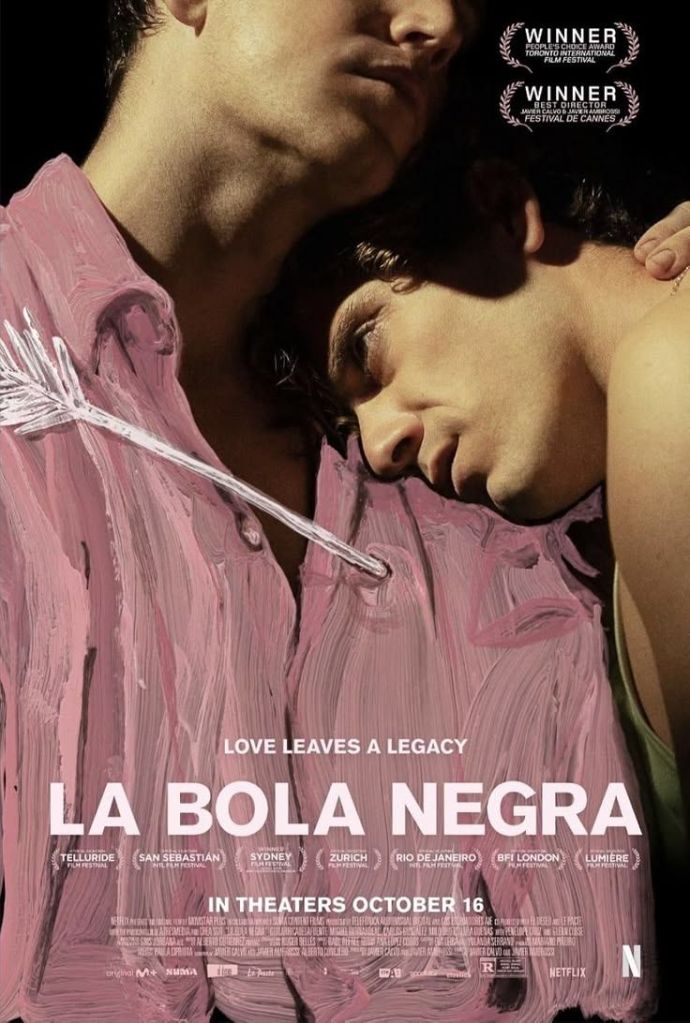
“LA Bola Negra” is a Spanish language period piece that is directed by Javier Calvo and Javier Ambrossi collectively known as “Los Javis”. Their film premiered at the Festival de Cannes back in May to very high acclaim. They collectively won the best director prize there for their efforts. Then, their film would go on to win more prizes at TIFF, the San Sebastian, and Sydney film festivals. It’s an epic that spans many years and deals mainly with how homosexuality has spanned generations of men all around the world. Mainly using a macguffin to help tell its story. Netflix bought the distribution rights and streaming out of Cannes, and they hope to have an awards season run with it.
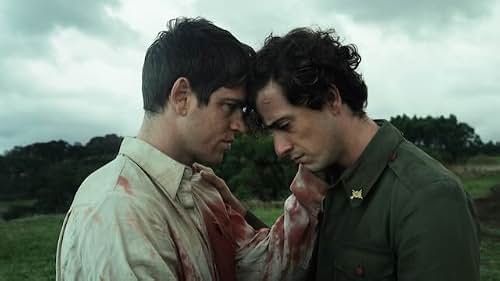
This film is an anthology story focusing on three men, of people. First in 1932 is a young man named Carlos (Milo Quifes) who is trying to get respect in his little Spanish town. He is blocked from joining a casino because of his homosexuality. They don’t accept these types of people into their exclusive club. The second story is mainly about nationalist soldier Sebastian (Guitarricadelafuente) who falls for a prisoner Rafeal (Miguel Bernardeau) in his care. The prisoner has a secret he tells the soldier that wants him to keep and follow through with. The third character is Alberto (Carlos Gonzales), a history student who ends up getting a play from many years before as an inheritance. He realizes later on it’s the unfinished pages of a play “La Bola Negra”. A play that has a lasting message about homosexuality.
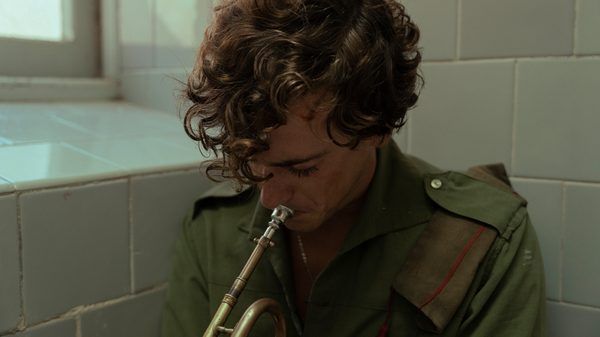
The Javi’s are directors to watch out for in the future. What they were able to accomplish with this film is pretty astounding. All of the different time periods looked so different from one another. They all had to have different production design, costumes and hairstyling, and makeup. This set each period apart from one another, even the two segments of the story set in 1930s Spain. The editing also helped distinguish each segment from others as well. For relatively new directors, they have a great grasp of the craft. I’m sure it’s a story they were familiar with, so it came easier for them than an American story would. I can’t wait to see what they can do in another language other than their own that they are familiar with.
There is a direct story element in this movie that deals with homosexuality and the LGBT community. I will say straight up front that I am not part of that community. My brother is, though. He would be able to talk on this subject better than me. Alas, I saw the film, so I have to comment on this part of the story. It was handled very well by the Jsvi’s and all the actors involved in the movie. I wasn’t uncomfortable with any of the sex or discussion on these topics. The story handles them very well. Maybe there should have been more sex or conversations on the subject. Maybe the earlier time period prevented the Javi’s from going too deep into this subject matter. Who knows? I think this community here and abroad will be happy with how it’s dealt with in this film. No kid gloves here.

I don’t want to sound like a broken record, but this movie has a macguffin that goes from the second part of the anthology to the third part. The macguffin is the title of the film in the form of pages of a play that are thought lost but found. This macguffin worked well in the context of the film. Screenwriters are getting more and more creative with how they infuse this particular trope into movies. The way this film used the macguffin was one of the best ways I’ve seen it used in a while. It genuinely meant something in the context of the story and movie. That means a lot. When the reveal happens later in the film of what this all meant, it was very revealing, to say the least.
There was a scene I wanted to mention that I won’t completely give away, but it’s set in a snowy environment on a mountain. The meaning behind this scene hit me pretty hard. When it happened, I was taken aback by it, and then I realized what it meant regarding the overall story aspects. There was a narration as well, which even added more symbolism to it. The script and the Javi’s did a great job showing in their own way what this scene represented in the overall context of the story. Even the actor in the scene did a good job showing his side of things. This truly showed the artistry of directing that the Javi’s have.
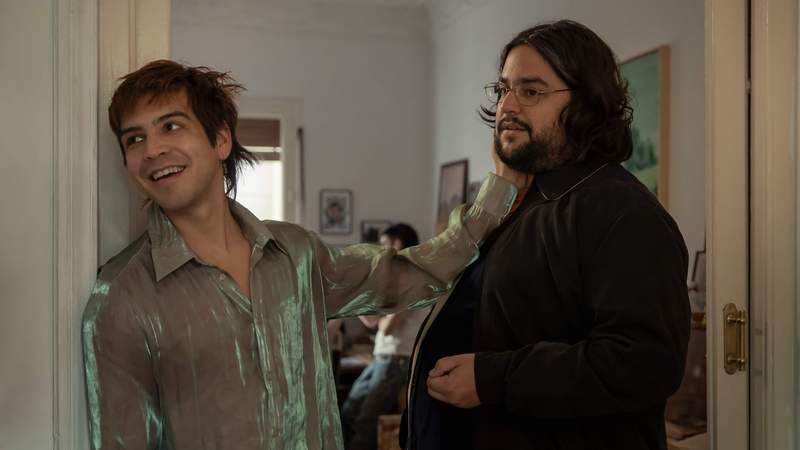
I can’t completely say that I understood everything I was watching in “La Bola Negra”, but I can say I know a great film when I see one. This is one of those movies. I didn’t care that it was in Spanish with subtitles. That’s not an obstacle for me. The story had the depth and layering of a professional screenwriter. The direction combined with all of the other technical aspects of the film was awards worthy. The cast, including big names like Penelope Cruz and Glenn Close, along with the unknown’s or first-time actors, were all great in this movie. The subject matter that this film was based on made for a great story that unfolded like an onion. This is an amazing achievement even though I didn’t completely understand everything I was watching. I’m sure others who see it will understand it. Smarter people than me. This was a worthwhile watch.
4 Stars


Leave a Reply