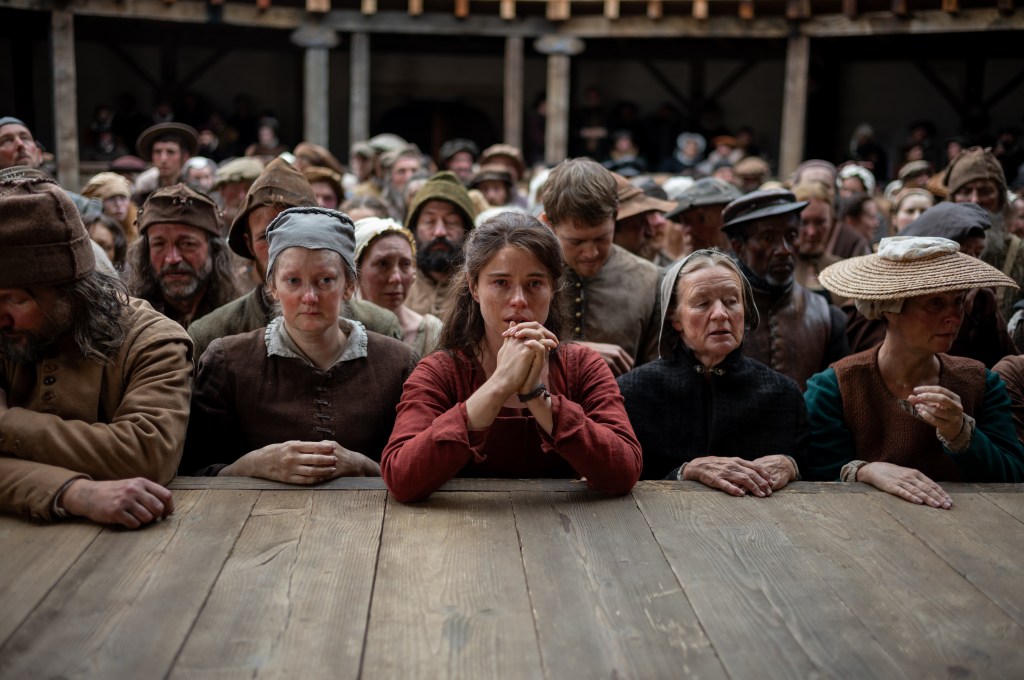

By Kyle Flynn
Chloé Zhao’s latest film, Hamnet, is a striking achievement in form — a meditation on grief, art, and the invisible weight that loss leaves behind. The film is deeply concerned with the private, often wordless ways we process death and how art becomes a vessel for that pain. The story centers on Agnes, the wife of William Shakespeare, as she raises their three children in Stratford-upon-Avon. When their young son Hamnet dies, the event ripples through the family, leaving wounds that alter the course of their lives and, in Zhao’s telling, the history of Shakespeare’s work.
I read Maggie O’Farrell’s novel two years ago and found it sharp, poignant, and deeply moving. O’Farrell returns here to co-write the screenplay with Zhao, and together, they craft a script with a quiet confidence — measured, unhurried, and sure of itself. You can feel the depth of O’Farrell’s research in the texture of the film, grounding its moments of lyricism with an authenticity that never feels forced.
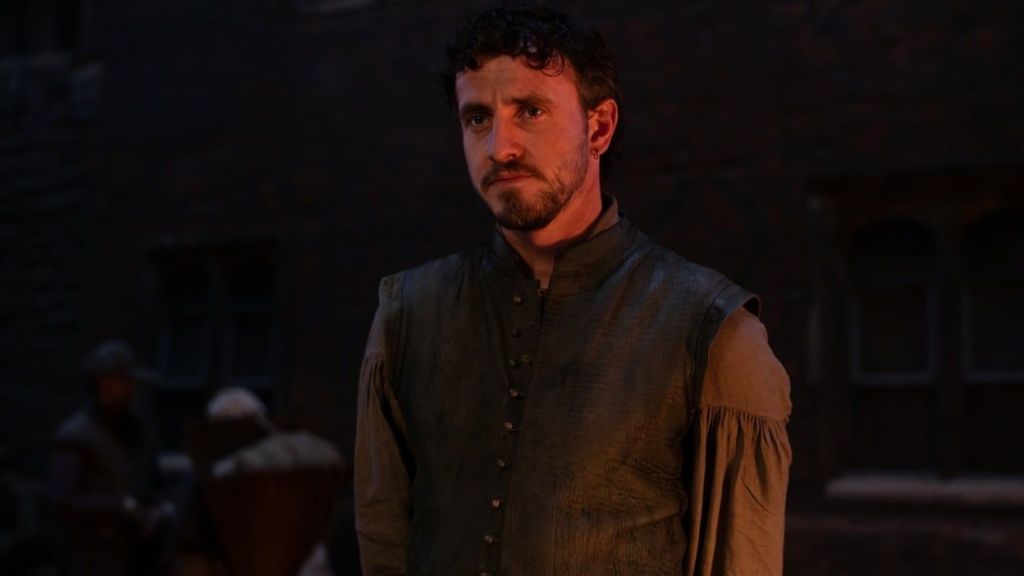
Jessie Buckley delivers what I’m confident will stand as one of my favorite leading performances of the year. Her work has is a raw power; her face folds and tightens with such expressive precision that it’s hard to imagine many other actors pulling off this role with the same emotional intensity. Paul Mescal, meanwhile, brings a quiet melancholy to William Shakespeare, echoing the restrained, aching work he did in Aftersun while finding new shades of grief and longing or even the quiet melancholy featured in his breakout role in Normal People. Jacobi Jupe, as the title character Hamnet, gives one of the most affecting child performances in what has already been a strong year for them. His older brother, Noah Jupe, appears in a smaller but crucial role late in the film, reminding us yet again of his remarkable range and subtlety. There isn’t a single weak link in the cast; it’s astonishing how Chloé Zhao manages to coax such deeply felt, career-best performances from nearly everyone on screen.
The world of Hamnet feels fully, beautifully lived in. Łukasz Żal’s cinematography is breathtaking, and each frame so carefully composed it feels like a painting in motion. The costume and production design work in harmony to transport you to Elizabethan England without ever feeling fussy or stage-bound. Max Richter’s score is simply sublime — soaring and mournful, one of his most affecting works, and perfectly attuned to the emotional register of the film.

I left the theater shaken, devastated in the best way. Although I did not cry, you could hear quiet sobs and sniffles all around me during the screening — a rare, communal experience of grief that deepened the impact of what Zhao put on screen. It’s the kind of film that lingers, leaving you both moved and transformed. It is a strong recommendation from me. I enjoyed all the conversations I had about the film’s themes after the film’s screening.
4/5 stars


Leave a Reply