By Dan Skip Allen
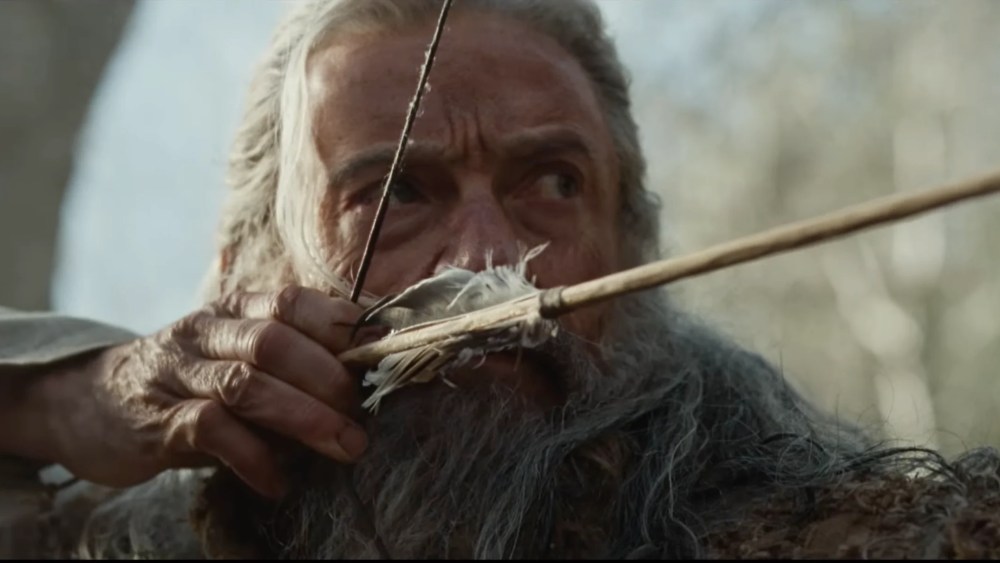
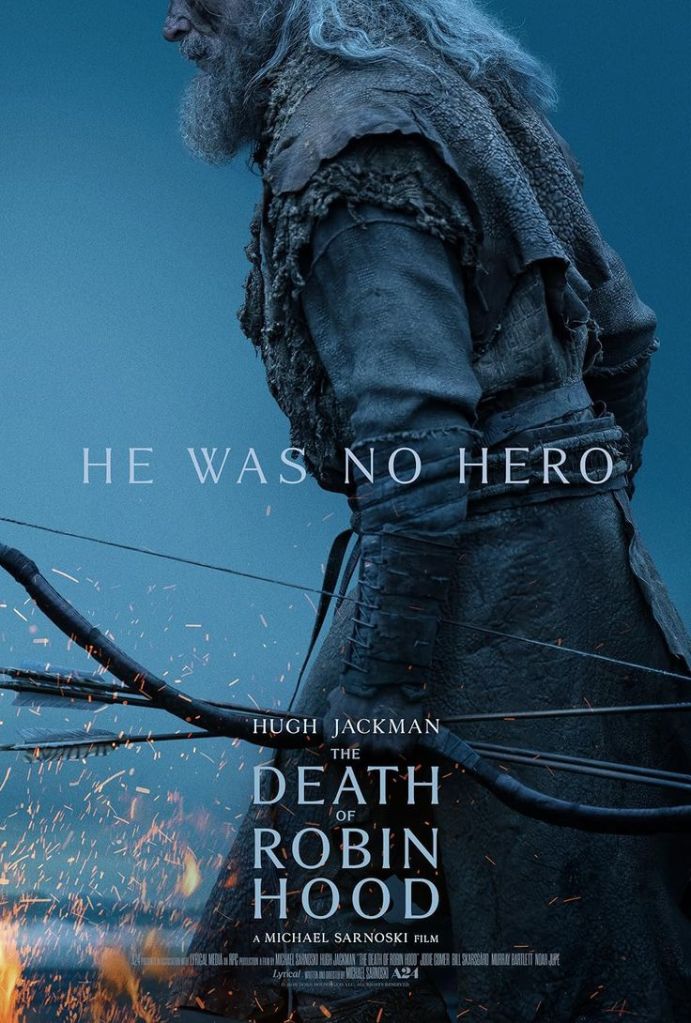
There has been a fair share of literary characters that have gotten the big screen treatment in the past. None more than Robin Hood. Ever since Errol Flynn, as Robin Hood, Olivia de Havilland, as Maid Marian, Basil Rathbone, as Guy of Gisborne, and Claude Raines swashbuckled their way into the hearts of so many back in the 1930s, there has been a fascination with these characters. Over the years, Kevin Costner, Russell Crowe, and Cary Elwes have played versions of this character. Now it’s Hugh Jackman’s turn as the man who steals from the rich to give to the poor. Except this isn’t your grandparents Robin Hood. It’s more of a gritty/dark version of this character during his later years as the title refers to, “The Death of Robin Hood”. Michael Sarnoski has written/directed the best version of this character I’ve seen in many years.
Set in Anno Domini 1247, this particular take of the legend of Robin Hood starts out with this man being an older aged version of Robin Hood (Hugh Jackman), who goes by the name of Randolph. He is confronted by a young girl who is another in a long line of assassins who come to kill this man who they want to avenge their relatives. He figures out who she is, and this starts the film off with a violent death scene in the middle of the night as this girl’s blood pours out of her neck and head. As he’s washing up in a ravine, he sees his old friend Little John (Bill Skarsgard), or Edward, as he goes by in the movie looking down on him from a hill far away. He tells him why he’s here and that he needs his old friends’ help. This starts off another bloody adventure for this pair of grizzled men.
Sarnoski (Pig) does a bit of revisionist history with this take on the literary hero, or rather not so much a hero as the marketing wants you to believe. He strips back all the fancy swashbuckling, witty banter, romance, and fun times that the previous versions have thrived on. He purposely gave viewers a darker tone to look at. The fog, cold air, and damp nature of the landscape were harsh, and they matched the people who lived in this world he depicted. Add in a very violent nature of the characters, and you have a very different Robin Hood than anything I’ve seen before. Blood and violence went hand in hand in this particular case, as well. That’s what I’m looking for with a new take on such a legendary existing character as this one.
Three technical things stood out for me while watching this film. First is the cinematography by Pat Scola (Pig). He was given an amazing landscape to film in Ireland. Various locations served as the setting of the movie. The harsh cliffs, mountains, and windy waterways all add to the dark, gloomy look the cinematography is going for. The grey skies and dreary backdrop play into the overall aesthetic the Scola is going for. There are a lot of beautiful shots of sunsets and views over and beyond a body of water between an island that plays a big part in the film. The cinematography is like a character in the story. Without it, you don’t get the brooding performance from Jackman. They come hand in hand in a way. That’s how important the cinematography is to this particular story.
Another aspect of the story that fits the overall context of the film is the music. There are a few irish/gaelic songs that are sung throughout the course of the movie that fit the story perfectly. I loved all the songs, whether they were sung by a girl at a funeral ceremony or as a part of the score. The music helped create a tone for the film. The score by Jim Ghedi was also very haunting and moody. There was a folksy aspect to the music and score that fit this film so well. Once again, the music was like a character in the story. Without it and the cinematography, you wouldn’t have such an overall tone that the movie was trying to achieve. These two things were masterfully done.
The sound design was the third technical thing I wanted to mention. From the blustery wind to the foot on a rabbits neck breaking, the sound in the film is chilling. Every blow from an axe or club is felt with ferocity that shook my bones. Near the beginning of the film, a boy was running from a fight, and an arrow flew through the sky and went right into his head with such power it literally shocked me. That’s how impressive the sound design by this team was. My screening wasn’t even in Dolby, and the sound felt like it was that strong. Combined with the other elements of the film, this helped make this movie an amazing technical achievement. Sarnoski collaborated with some incredible people to bring this film to fruition.
The cast in the film was very good, starting with Jackman. I’ve seen him do a lot of different things ever since he came on the scene in the early 2000s as Logan/ Wolverine in the X-Men films. He is primarily known as a song and dance man because of his stage work and “The Greatest Showman” but he can play dramatic characters as well as comic ones. His range has impressed me over the years. Here, he plays a brooding older aged Robin Hood who is mainly trying to hide his identity from those he’s surrounded by, but he still has the charm fans of his have come to know him for. As this outlaw, he has to keep his guard up. There are vultures all around him. He reminded me of Robert Redford in “Jeremiah Johnson.” They both gave off a similar vibe with their performances.
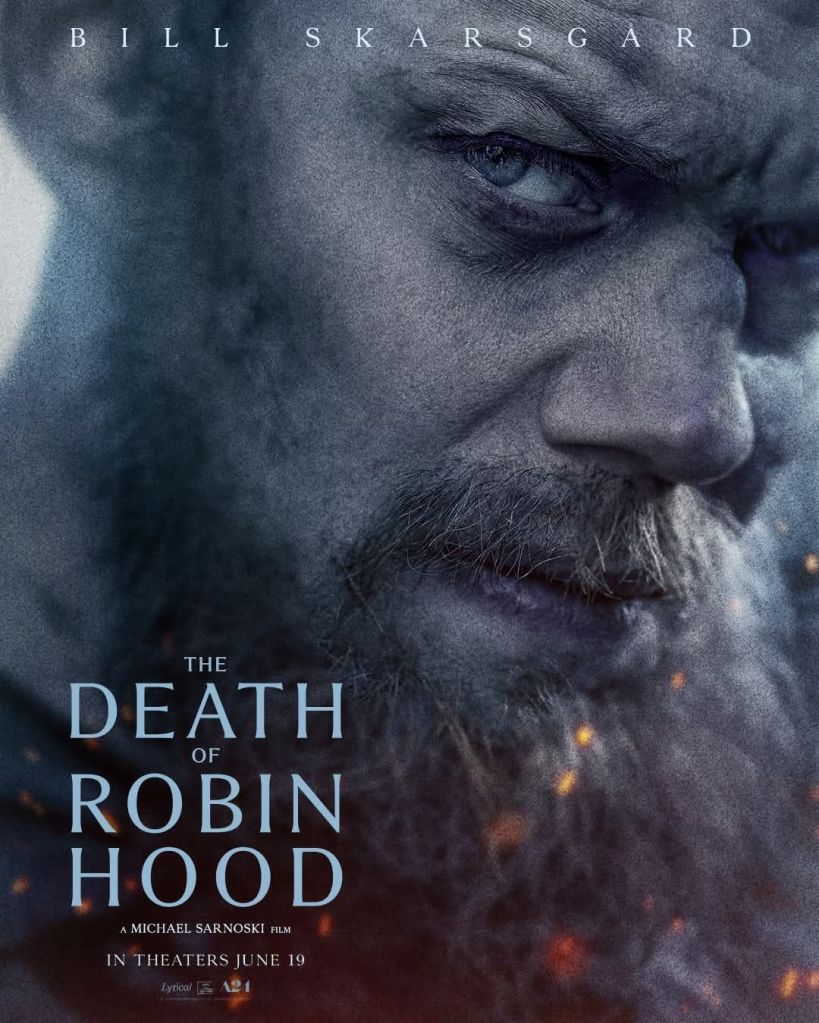
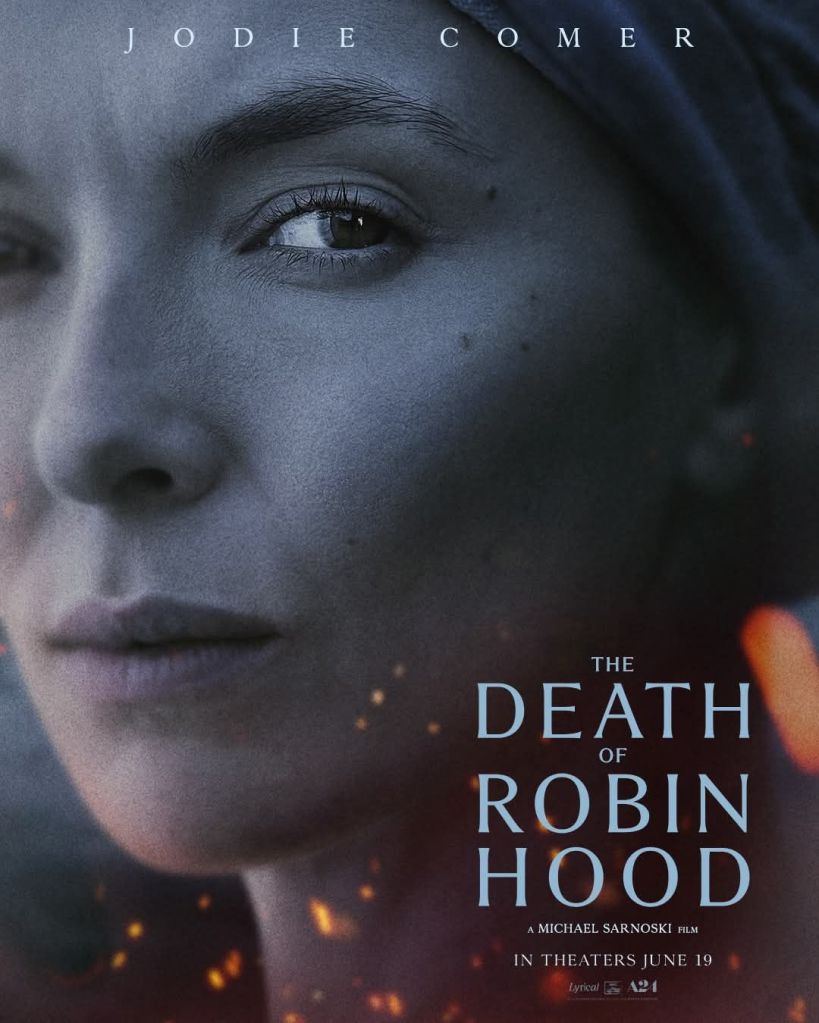
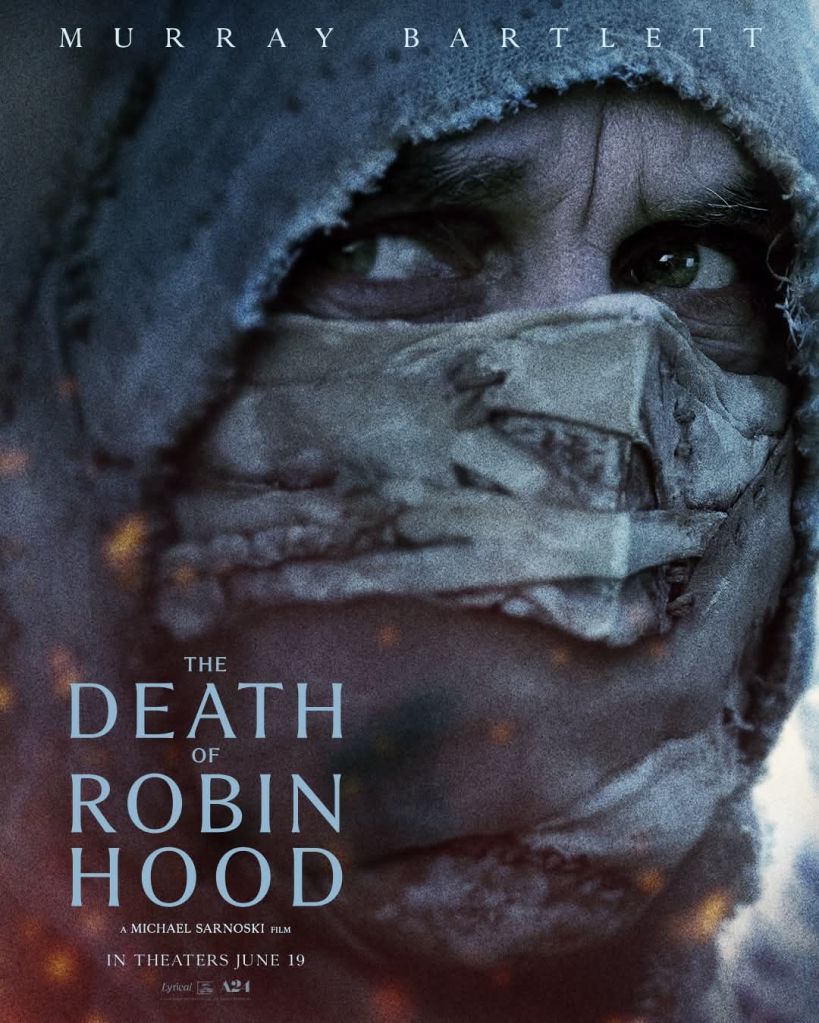
The rest of the cast is stellar as well. From Jodie Comer as the Priory of Sister Brigid, who is reserved and very helpful. She nurses Jackman’s character back to health after he’s been severely wounded in a fight with a family earlier in the film. Comer has a great accent and brings a calmness to the film that is very loud at times and violent. Murray Bartlett is unrecognizable as a leper on the island that the priory is on. He oversees some trees and looks out for Sister Brigid and her children while also trying to be friendly to Jackman’s character. He has a mysterious nature to him that is revealed later in the movie, which I won’t spoil. Bill Skarsgard plays Eward/Little John, and he has a viscous nature to him. Whenever he’s seen, he has blood on his face and has either come from or in the process of killing someone. He became a family man, but that was taken away from him, which made him the way he was in the course of the film. Skarsgard was haunting and gave off a dark vibe. He was just another reason to watch this movie. This was an incredible cast of actors who brought their a game to this period piece.
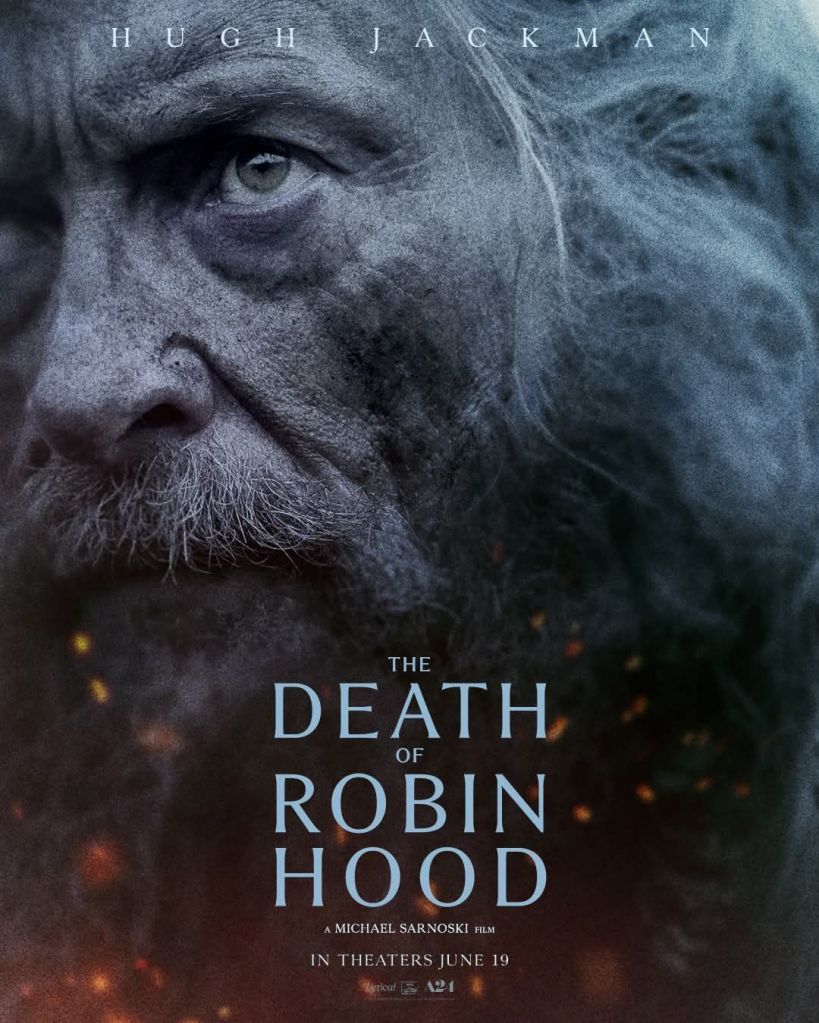
Just on a side note, the makeup and costumes were also great, and the grimy, dirty look of the movie played into everything else I already mentioned. There were scenes where men were covered in blood or mud, and they looked as such. There are films that have dirty aspects to them, but you know they’re not that dirty. This movie had characters rolling around in the mud fighting each other to the death. That’s how realistic the picture came off to me. I love it when a movie literally gets down in the mud to achieve the goal of what it wants the audience to see. I felt the griminess of the characters and the look of the film and I’m grateful I have the ability to take a shower with soap and shampoo and wash off any dirt or grass that I might get on me during the course of a day working.
“The Death of Robin Hood” is a seminal achievement by Sarnoski and his entire team. From the cinematography, music, sound team, and everyone else in between, this was an incredible experience to watch. He did a great job on “Pig” but this film stepped up his game tremendously. He is now a writer/director that I will make sure I don’t miss any of his films from this moment on. This was a film that literally blew me away by its technical aspects. The story was very good as well. Specifically, how Sarnoski has woven in the lore of Robin Hood into this dark brooding tale. Jackman and the entire cast are on their a-game throughout the movie. This is the definitive Robin Hood film from this moment forward for me. Even though “Robin Hood: Prince of Thieves” is a guilty pleasure.
🌟 🌟 🌟 🌟 🌟 stars


Leave a Reply