By Kyle Flynn
Hamaguchi’s has undoubtedly broken out in a big way during the current decade. In 2021, he made both Wheel of Fortune and Fantasty and Drive My Car, the latter of which earned him a Best Director nomination. In 2024, the US release of Evil Does Not Exist was met with critical acclaim. In my opinion, he is the filmmaker of the decade. One of the few filmmakers whose art has such a connection to the current state of the world that the viewing experience immediately resonates in such a way.
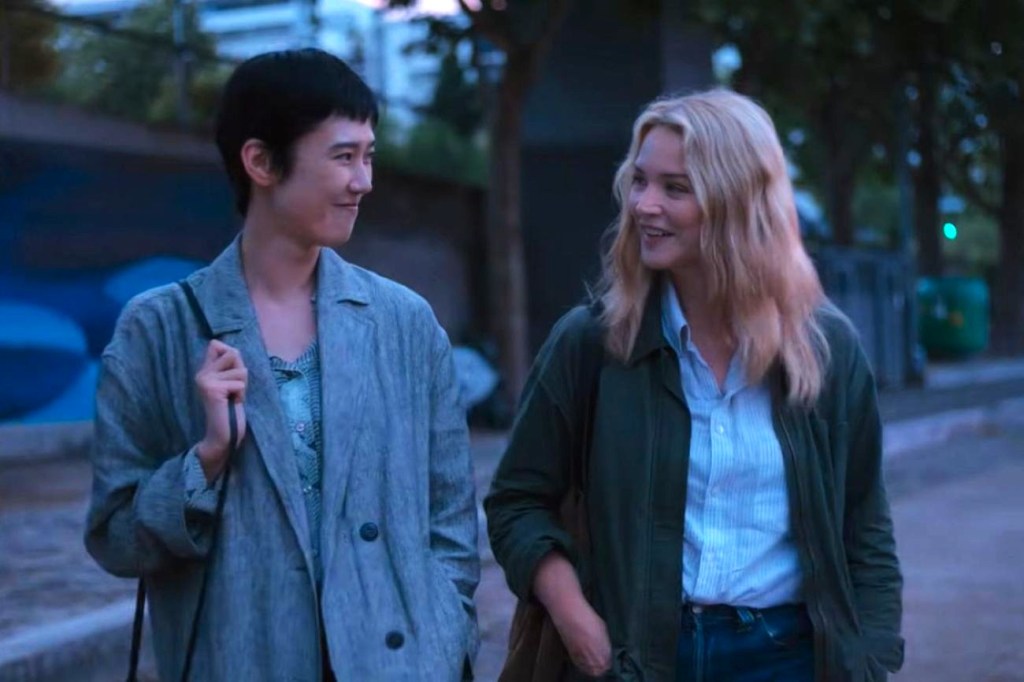
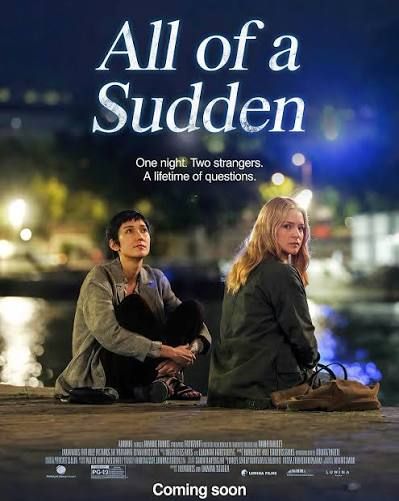
All of a Sudden follows the same trend by examining capitalist structures, true connection, and the relationship between art, health, and life. At all points, empathetic, intimate, tender, and intentional. This is all being done through the eyes of Marie-Lou Fontaine, played by Virginie Efira, a director of a nursing home who is trying to put in place a new system called Humanitude that the other nurses are resistant to. When she meets theatre director Mari, played by Tao Okamoto, the film transitions into how their perspectives are each changed and reframed by these experiences.
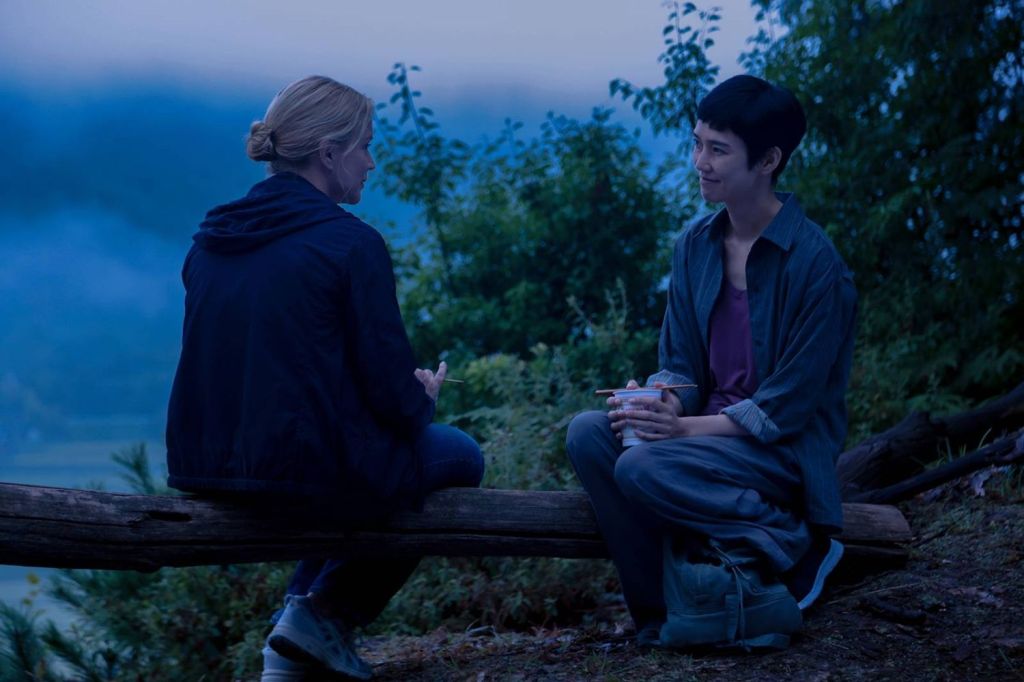
I still can’t comprehend how Hamaguchi manages to elicit such transcendent performances from his actors. Any universe where Virginie Efira is not nominated for an Oscar for this performance is a universe I don’t want to live in because her total embodiment of Marie-Lou is at a master actor’s level. Tao Okamoto delivers an equally sensational performance, in which you can feel her pain and understand her vision. The broader ensemble all have exemplary moments to shine, but I found Marie Bunel’s performance as Sophie to speak to me directly.
The elegance and respect Léa Le Dimna and Hamaguchi bring to the film’s screenwriting enhance the pleasure the audience derives from the viewing. Words are being withheld with so much meaning, and the subtext layered within, comparable to the heartfelt journey you are put on when hearing your favorite story again and again. With the shoot taking place in the order of the script, playing forward feels easy to the mind, not to mention that it is edited by Azusa Yamazaki in a way that plays the deeper themes in your mind from the long takes and the shorter emotional beats.
At over 3 hours, it feels joyful to exist in the world. The pace is never an issue because it is so well staged for maximum effect that you don’t notice. There is a tenderness that is ever-present in the narrative, a story about how we can best care for people in a society that does not thrive on us doing so. It’s splendid that artists like Hamaguchi continue to ask these questions when so many filmmakers aren’t interested in the difficult reality. Not just the best film of the festival, but I would be surprised if this doesn’t end up being considered by me to be the best film of the year.
🌟 🌟 🌟 🌟 1/2 stars


Leave a Reply