By Kyle Flynn
Adapting a work as iconic as Mrs. Dalloway into a different medium is, I would imagine, very difficult. The burden and weight of having an audience weigh their own pre-existing expectations onto your adaptation might inform your decision-making in the course of creating your adaptation. I can’t describe it, or even begin to explain why I found such genuine appeal in the storytelling in Clarrisa, especially since, over my many years, I have never read the material it is based on. However, the avenues I was able to explore while existing in this world resonated with me in a way I didn’t quite expect it too.
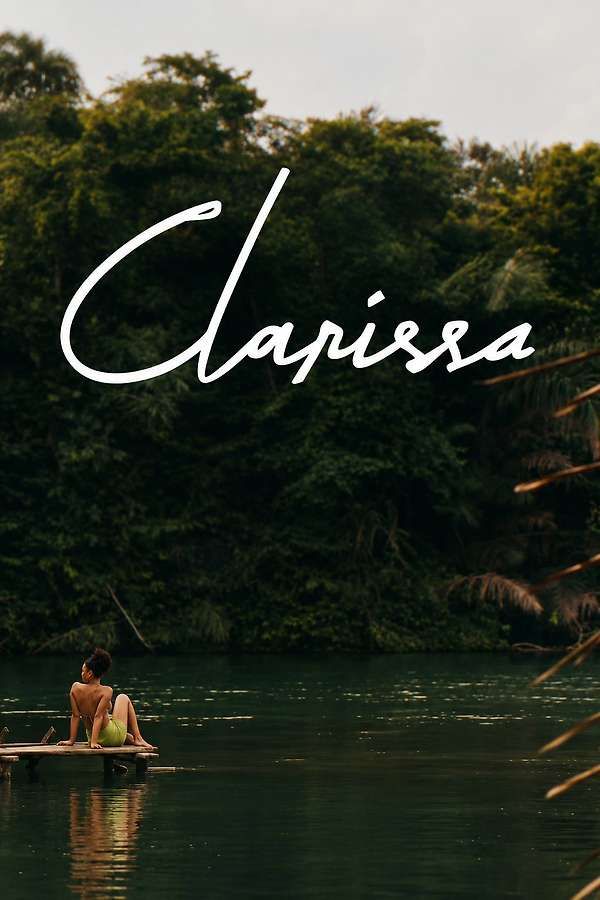
Simply put, Clarrissa is a modern reimagining of Mrs. Dalloway set in Lagos, Nigeria. Within the context of the film, there are two periods: one that explores the group in their youth and one that follows Clarrisa, played by Sophie Okoendo, as she prepares a dinner party that will bring them all together again. Throughout the narrative, we also gain an intimate understanding of the political and economic landscape prevalent in both time periods of the film. This includes one storyline involving a soldier’s mental health that is placed so perfectly in the story that I am encouraged to read Mrs. Dalloway to figure out exactly how this was adapted.
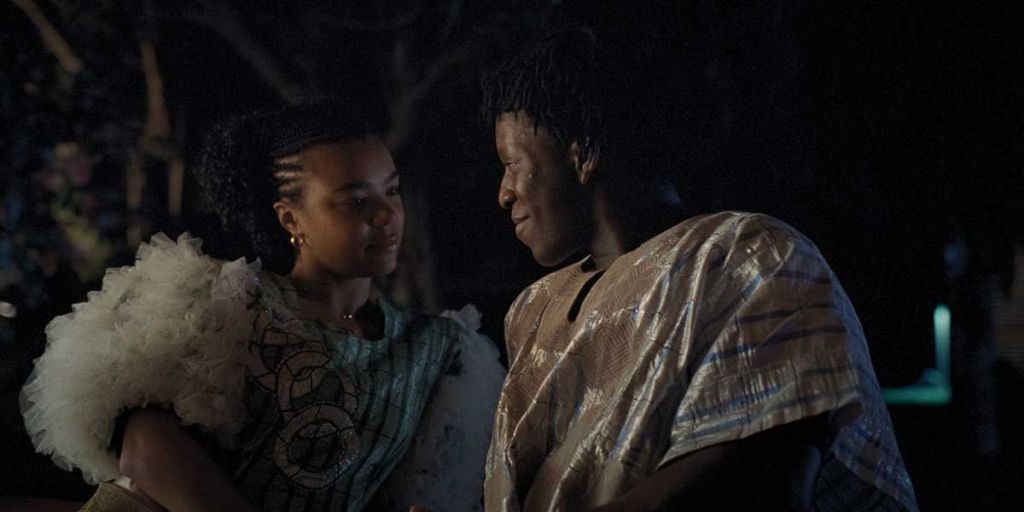
Within the earlier timeline, we are introduced to Peter, Sally, and Clarissa in their youth, played respectively by Toheeb Jimoh, Ayo Edebiri, and India Ria Amarteifio, all of whom I have been acquainted with through their excellent work on the small screen from Industry to The Bear to Queen Charlotte. All three actors serve the role well, with an important burden placed upon them, since the film asks the viewer to infer so many of the emotions subtextually. The dynamic between Clarissa and both Sally and Peter is a testament to India’s performance achievements. The supporting performances of Kehinde Cardoso and Ogranya work well, too, but their sparse use in the narrative holds it back from truly leaving much of a mark.
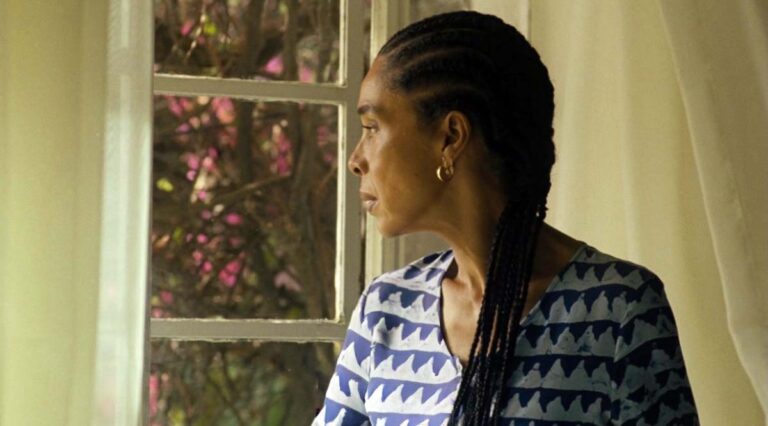
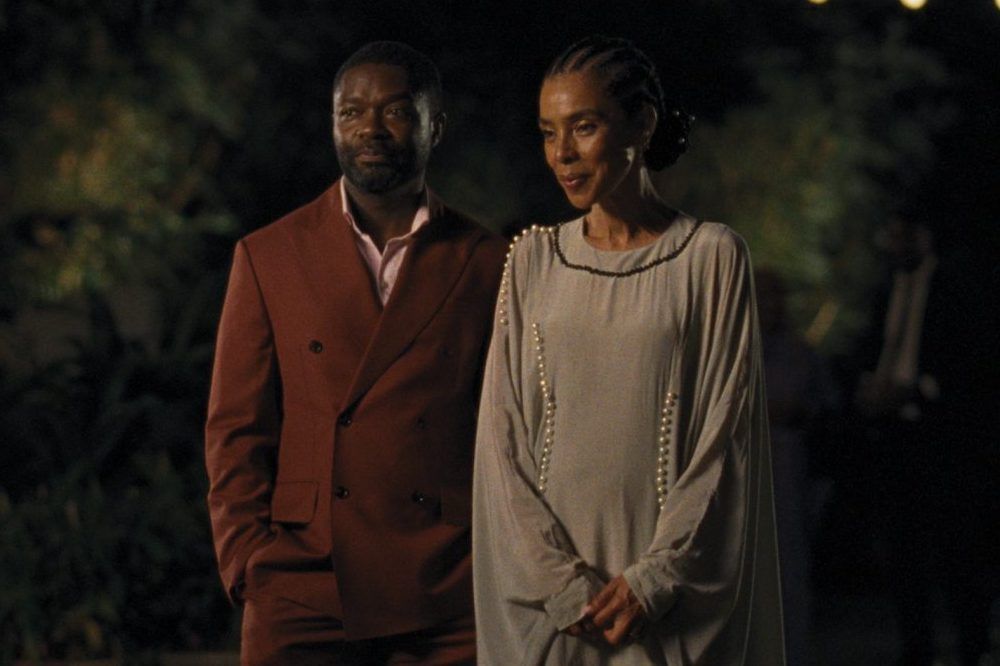
In the later timeline, the lead performance in the film, gifted to us by Sophie Okonedo, will undoubtedly go down as one of the performances of the year. Every breath she takes, every mannerism she invokes, you can feel the weight behind her choices. David Oyelowo, Nikki Amuka-Bird, Danny Sapani, and Jude Akuwudike round out the adult cast in a way that feels like magic.
The narrative structure and the emotional catharsis left by the film have to in part be credited to the filmmakers Chuko Esiri and Arie Esiri, but editor Blair McClendon is slowly becoming one of the top editors of the decade. I spoke to other critics who seemed to think the edit didn’t work as well for them, but for me, it seemed seamless and had a material effect on how I interpreted the film. It’s always a joy when something comes across so purposeful.
The last moments of the film have not left my mind since exiting the theater. A triumph in storytelling and adaptation, and a film I can’t wait to revisit again in the theater with a general audience. It would be an understatement to not rush out and watch the film when it releases later this year.
🌟 🌟 🌟 🌟 1/2 stars


Leave a Reply