By Dan Skip Allen
I started watching “Star Trek” The Original Series when I was a kid. I saw the reruns in the early 80s when I was able to comprehend what Gene Roddenberry and company were trying to say and do with this sci-fi show. As a kid, I wasn’t as up to date with all the social and political ideas this series was trying to put on network television at the time. How culturally relevant the show would become for so many Americans and many others. “Star Trek” meant a lot to a lot of people, which I didn’t realize at the time, but I would come to realize years later. That’s why it has stood the test of time, specifically, 60 years. That’s where the title of this documentary “The Sixty-Year Mission: How Star Trek Changed Television And The World” comes in. It’s an apt title considering how long some iteration of “Star Trek” has been around that long.
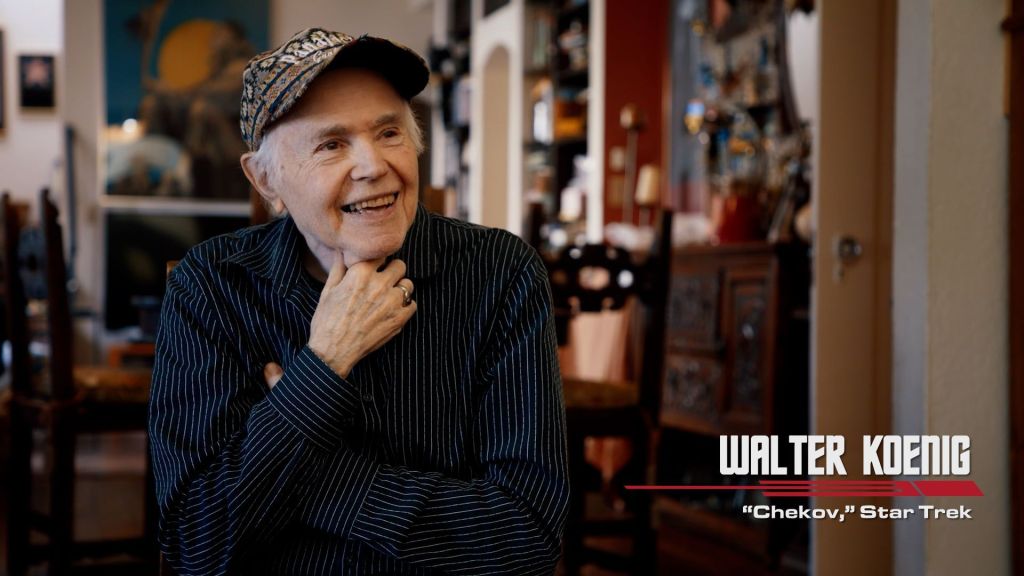
With the lack of sounding redundant, most documentaries have talking heads. This one has quite a few of those, as mentioned, talking heads. Ranging from William Shatner himself, the man who played James T Kirk, the captain of the USS1701 for a few decades to “Star Trek” historians like Mark A Altman, the writer and director of the film, and superfans like television personality & q and a host Scott Mantz. Plenty of men and women weighed in on their opinions of the sixty year journey of this sci-fi series as it were. With the passing of some of the original cast members and the creator of the show Gene Roddenberry, the director got the remaining original cast members and other actors and actresses who were in the other series.
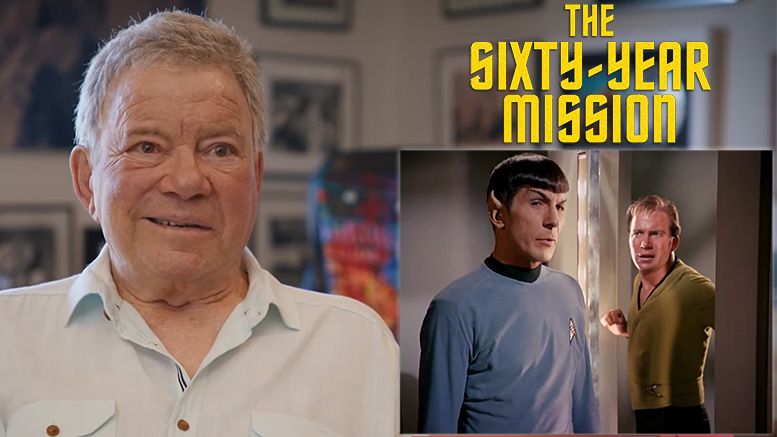
With all documentaries, you need archival footage to reference what the men and women are saying in the film. That’s where the documentary gets it right. Ranging from historical events like press conferences with John F Kennedy, the President of the United States in the 60s to art and other television shows of the time that were the inspiration for the original show like Gun Smoke and Wagon Train. This couldn’t have been easy footage to get. Even stuff from DeziLou Studios was pretty rare to find. That didn’t include all of the footage from the series that was thrown in here to show so much about the past episodes. The behind the scenes footage was the best.
The biggest part of the film for me and so many of the other people who were interviewed for the documentary was the cultural relevance of what this series was saying. The multiple racial and worldly cast Lt. Hikaru Sulu (George Takei), Lt. Nyota Uhura (Nishelle Nichols), Ensign Pavel Chekov (Walter Koenig), Mr. Spock (Leonard Nimoy), Mongomery “Scotty” Scott (James Doohan) and Dr Leonard “Bones” McCoy (DeForest Kelly) connected to so many different people around the world. A racial kiss, between Shatner and Nichols, Black and White characters, Loki and Beale, fighting a planet wide war because of the color of their skin were just a couple of the groundbreaking story aspects this show tackled.
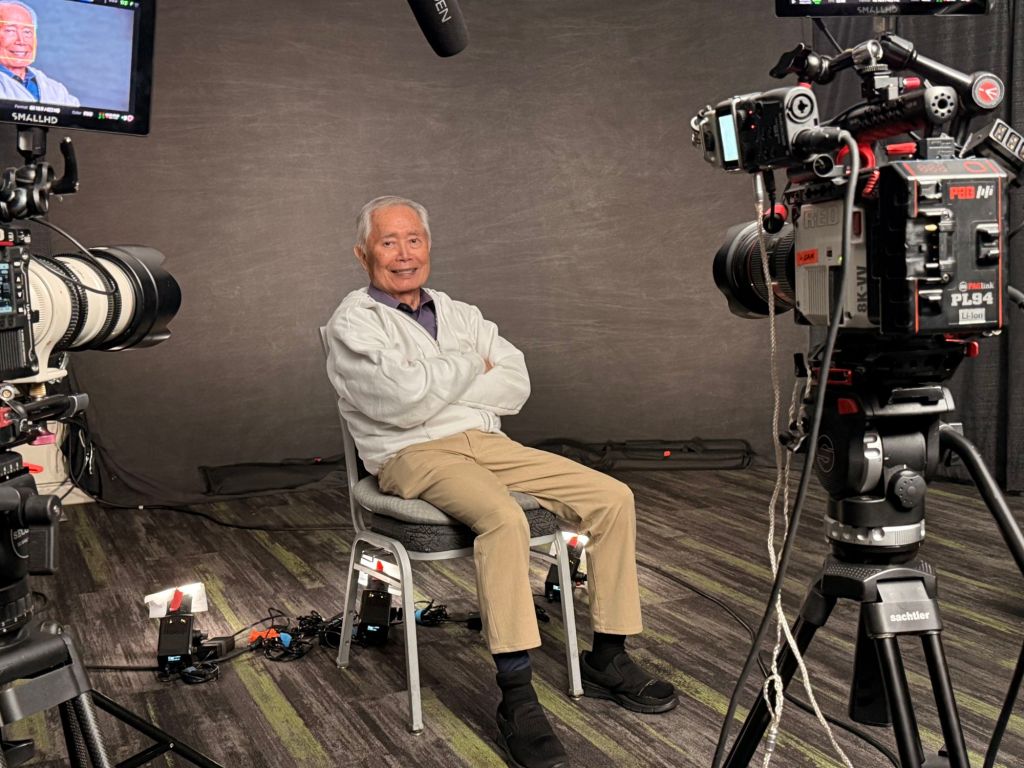
Rod Roddenberry, the son of Gene, is one of the talking heads on the film. He talks about his father’s legacy and what he wanted to give to audiences on television that they hadn’t seen before. Gene fought to get “Star Trek” on the air. He went through a lot of red tape to do so. His idea of Wagon Train to the Stars wasn’t exactly what the executive at NBC wanted back in those days, but it was cutting-edge television. Along with The Twilight Zone starring Rod Serling, which William Shatner originally appeared in. 41,000 Feet was a groundbreaking episode of television. Those are the kinds of things Roddenberry wanted to do with “Star Trek”. Things that Noone had seen before. With the decade being so tumultuous, people needed something to take their minds off of the news.
Even though “Star Trek” got canceled after three years, it lived on as an animated television show on reruns and got a new life on the big screen with 7 movies, if you count “Generations”. I, as a young man, in the mid-80s, I fell in love with “Star Trek: The Next Generation” . It was one of the staples of my childhood television watching on the weekends with my brother. Generation the the mantle of “Star Trek” and ran with it. It got its inspiration from the original series. I feel it was a better overall show than the original series, but fans wouldn’t have it or any of the other subsequent series without that first show. That’s how important that series, even on its three year run, was.
This documentary show the early days of getting “Star Trek” off the ground with the pilot episode “The Cage”, the casting errors, and so of the production mistakes they made with the first episode, but as strong willed Gene Roddenberry would trudge on and get a second chance. He changed cast members and the costumes and even gave the series an interesting look from episode to episode so it would look literally out of this world. Nothing looked like this show at the time. That’s why it was so fascinating to viewers. That, along with the pretty woman Shatner would get to kiss most of the time, was enough of a draw to keep the series going for the aforementioned three years. This film did a great job of showing all of those things. The ups and the downs of “The Sixty-Year Mission: How Star Trek Changed Television And The World ” was what I enjoyed most about revisiting this show in the form of this documentary. It’s in theaters today. So go out and watch it for yourself trekkies.
🌟 🌟 🌟 1/2
.


Leave a Reply