By Dan Skip Allen
I remember the buzz around the Hulu Series, “The Dropout” a few years ago. So I made sure I watched it. Before that, honestly, I didn’t know anything about Elizabeth Holmes. Either do to me having my head stuck in the sand or not being that knowledgeable about medical things like health insurance and so forth. I don’t have any, so I didn’t think a lot about blood work or things of this nature. That series was my first experience with Elizabeth Holmes and her medical device called Theranos. I absolutely loved Amanda Seyfried in the role, and the series was terrific. I love learning about people and things I didn’t know about beforehand. This was a prime example of that for me. I moved on to other shows and many more films after that, and I didn’t think about it anymore. Until the buzz out of TIFF came about a documentary called “You Can See Everything”. People were raving about this film, so I knew I had to see it. I finally did, and boy, was it worth the wait.
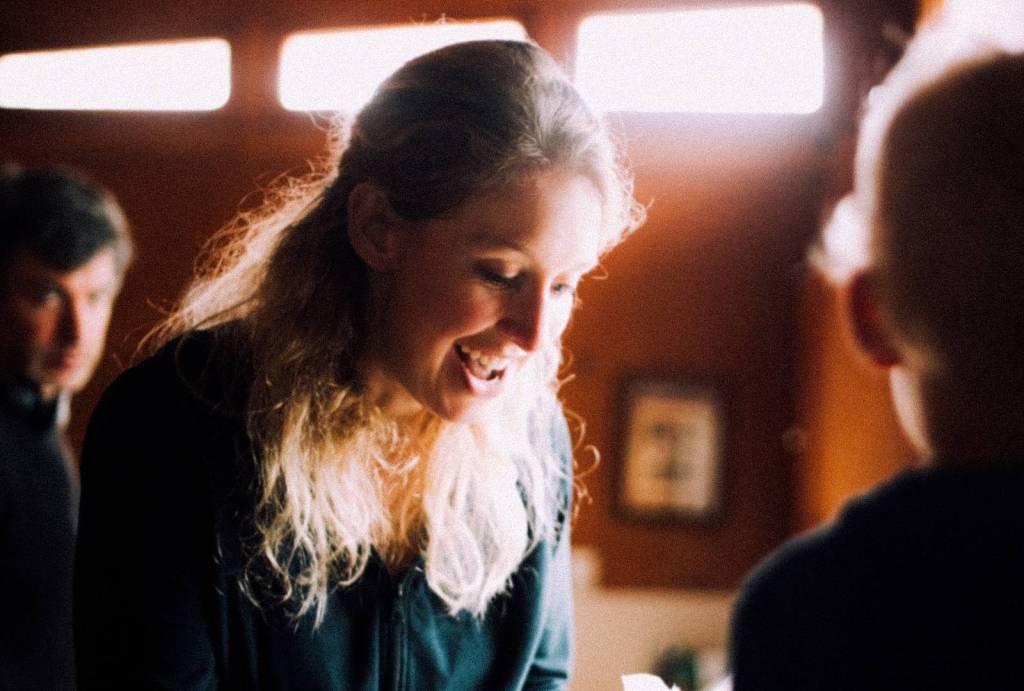
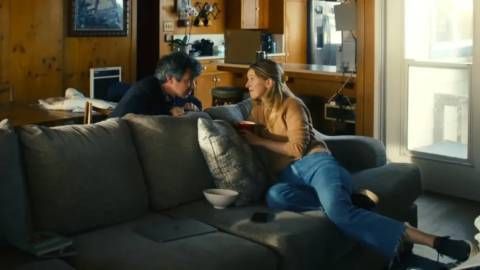
This documentary is a first-hand account of Elizabeth Holmes and her partner Billy Evans. Nathan Fielder, one of the two directors, along with Lance Oppenheim, is embedded with this couple and their children at a beach side house along the California coast. Field is given full access to the couple and asks them every question under the sun about Theranos, their business practices and whether or not they were telling the truth about this medical device or purposely deceiving the public. Some of the reactions from Holmes are genuinely emotional, but with other answers, the audience and myself were laughing at how absurd some of the things she said were. And how she genuinely believes she’s still innocent and did nothing wrong. That’s the hard part to watch about this documentary. I did get some good laughs, though, because these people are really delusional and crazy.
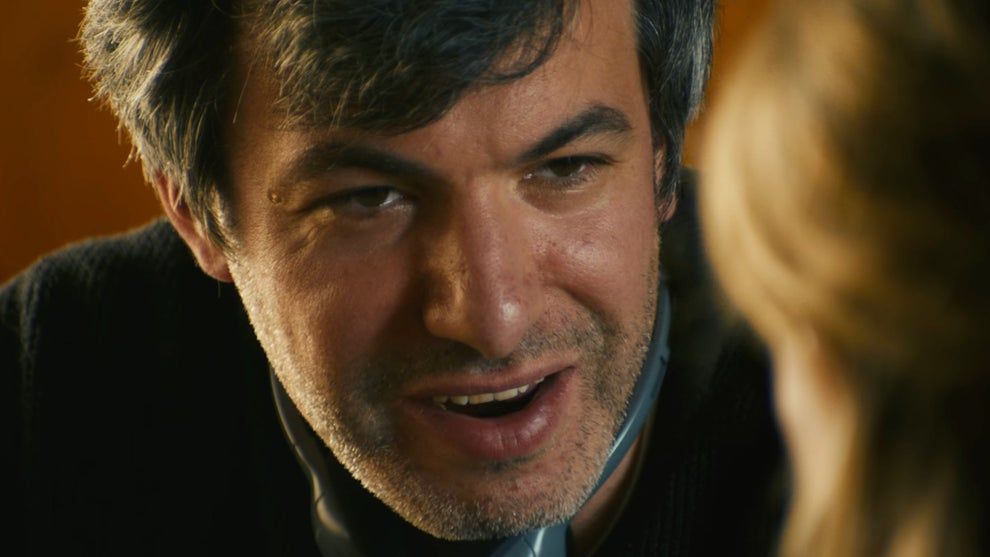
I’ve seen my share of documentaries in my lifetime. I don’t think I’ve ever seen one with so much access as this one. Fielder even gets Holmes and her partner to watch “The Dropout” and they are appalled by what they are watching. They honestly don’t believe that was a true portrayal of Elizabeth Holmes; it was a character Seyfried was playing. The show got her all wrong. Her motivations, her monetary gain, and so forth were never the reasons why she did what she did. It was to make the world a better place. She was duped by her husband at the time Sunny Belwani, as portrayed in “The Dropout” by Naveen Andrews. I find it hard to believe this wasn’t her plan all along. This film is all guts and no glory for the people depicted in it. I don’t know why they would agree to this.
The style of the documentary is very interesting to me. There is a cinematic quality to what Filder and Oppenheim are doing here. With their choices of lenses in the cameras and the location of the home itself, the views are beautiful, and the lighting is just enough to give the documentary a cinematic look. Like this was a real narrative feature instead of a documentary. Most films of this nature either are filled with archival footage, so they look grainy or older because of the footage taken or are crisp and clear because of the digital nature of films today. This had a really good cinematic quality to it that I genuinely liked. I felt comfortable watching this from the beginning to end regarding the look of the documentary.
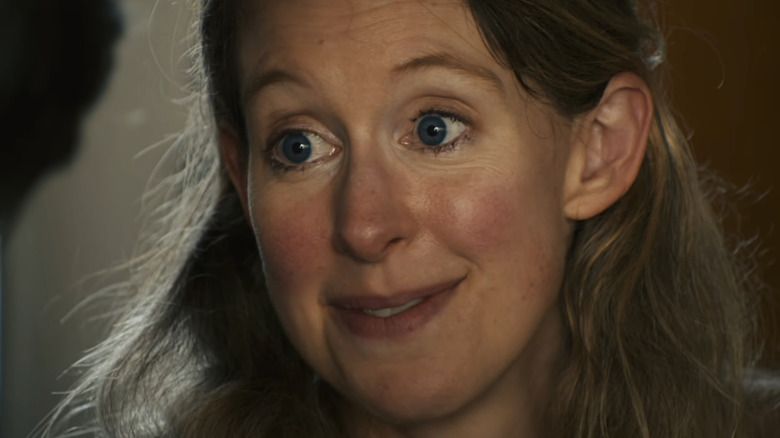
Even though Fielder was the filmmaker in this instance, he was also one of the stars of the film. He’s on screen 99% of the time. He was either asking hard-hitting questions or reacting to answers the pair he was documenting gave. It was like a first-person perspective. Like a doctor watching their subjects and reacting to the results that they found in real time.This was pretty close to being a real-time film. Fielder got in places like the bedroom and even had some spy shots from other rooms through windows and shower scenes. Nothing was off limits to him. I don’t know if that was on purpose or not, but he had full disclosure on this couple who supposedly had nothing to hide. I honestly don’t believe that, though.
I would be remiss if I didn’t mention that there is a twist in this film. I won’t say what the twist is, but what I will say is that it comes about halfway through the documentary. It’s not jarring, but it’s interesting nonetheless.It adds another whole level to this story I didn’t think I needed until I got it. Fielder & Oppenheim don’t have all of the details that they need for the film on camera, so they use a different method. They improvise in a way that I should have seen coming, but I didn’t. It’s amazing that the twist of the film hasn’t gotten out yet, but it’s a testament to the audiences that saw it at TIFF that they didn’t spoil the documentary. Because people love to spoil things for others who haven’t seen them yet. This is one of the best twists I’ve seen in years.
There is one more thing about this film I want to say. When it comes to subjects of a documentary, I feel you need to know who you’re documenting. Whether or not you can trust what these people are saying or not. Doing your own research is a key to whether or not it’s a good thing or bad to follow certain people around or deal with certain subject matters. This film puts that theory to the test. As we all know, this woman was found to be a liar and duped her investors out of millions of dollars. So, trying to get her and her partner to be forthcoming with the truth is like trying to climb Mount Everest in the winter. It’s very hard but can be done, but is it worth the effort it takes to do the dead? That’s the main point of this film. I would say, was it worth the effort to try and get to the bottom of who these people truly were or not? The viewers will have to answer that question on their own. “You Can See Everything” starting this week in theaters.
🌟 🌟 🌟 🌟 🌟 stars


Leave a Reply