By Dan Skip Allen
I don’t want to come across as a broken record, but I say this a lot. Documentaries are meant to inform viewers on their subjects and / or subject matter. “Once Upon a Time In Harlem” is very informative about its subject matter. And the subjects that are interviewed. It teaches those who watch it about things most people wouldn’t know about unless you were there during these events. This is one of the most interesting films I’ve seen in years. This year as a whole has had some fascinating documentaries that are groundbreaking. This one should be included in that conversation. I loved learning about people and events I wasn’t that familiar with. That’s when a film such as this works the best. It’s one of the best documentaries of the year.
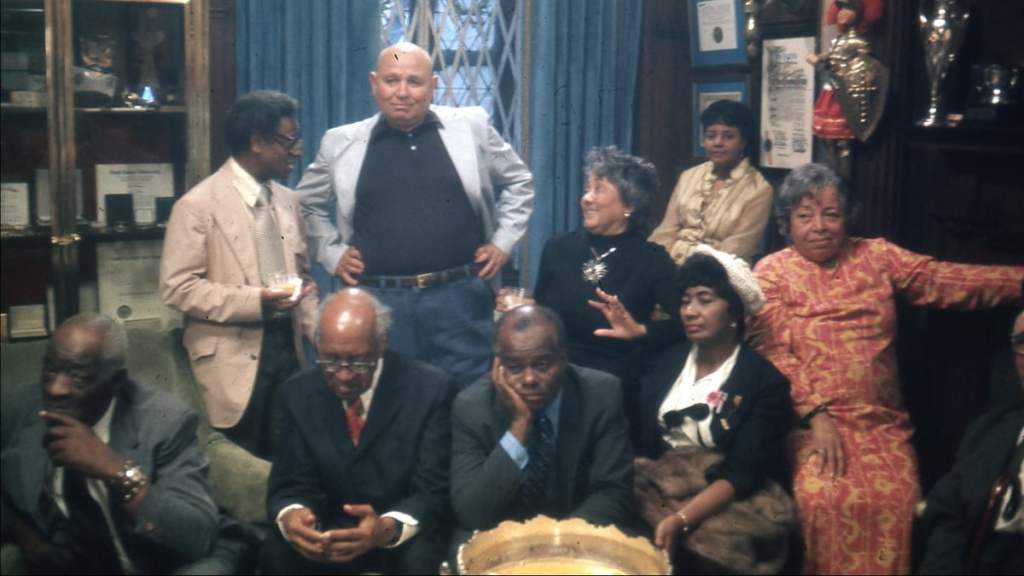
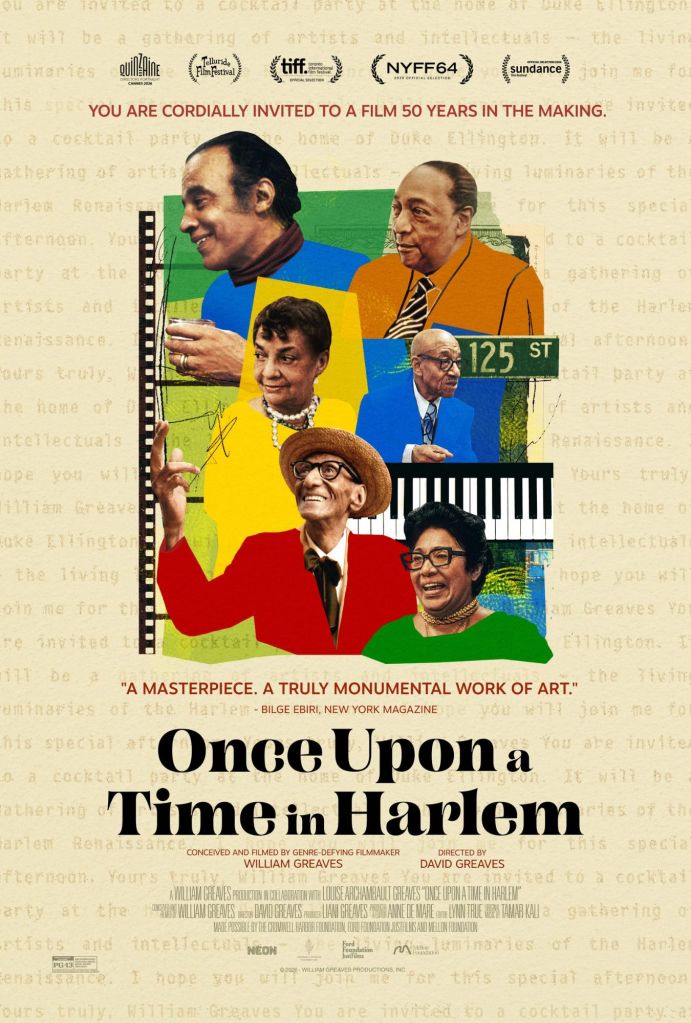
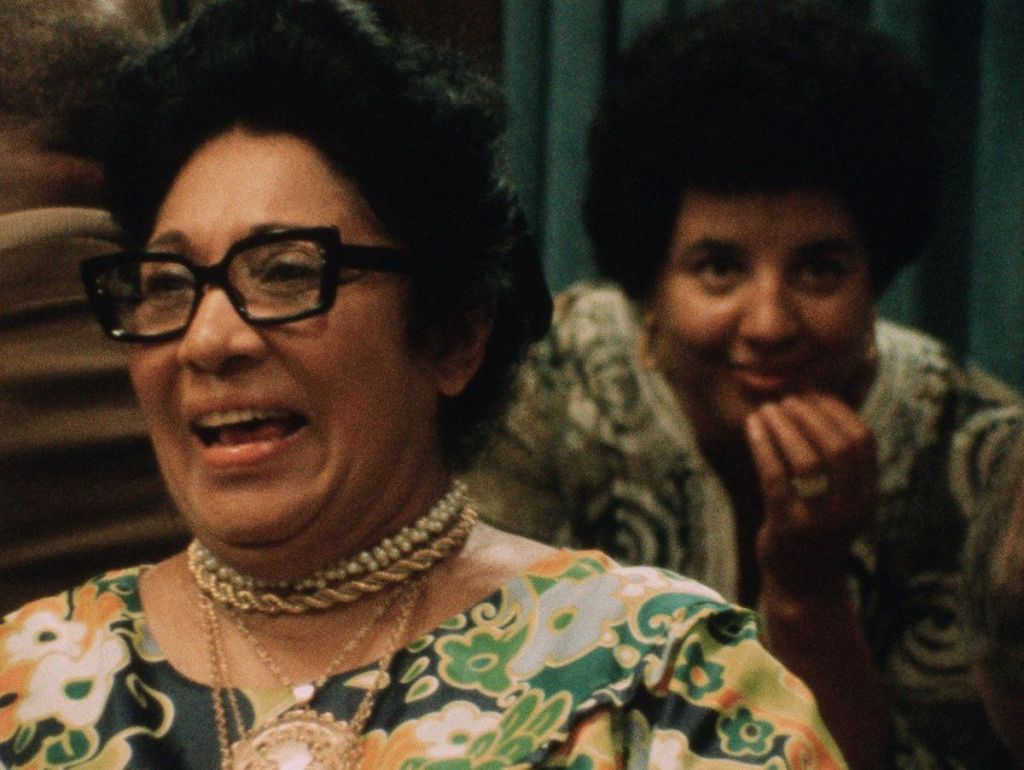
This film was conceived and filmed by William Greeves and directed by David Greeves and produced by Laini Greeves. It was edited by Anne de Marie and Lyn True. With original music performed and composed by Tamar-Kali. It has an interesting structure that combines archival footage, photos, and interviews/ performances by some of the subjects of it. The main thing that this film does that is different from other documentaries is that it’s an archival interview set at a party. Where most if not all of the inhabitants of the film are in a living room being interviewed or having a discussion about the 1920s Harlem Renaissance. That’s the meat and potatoes of this film.
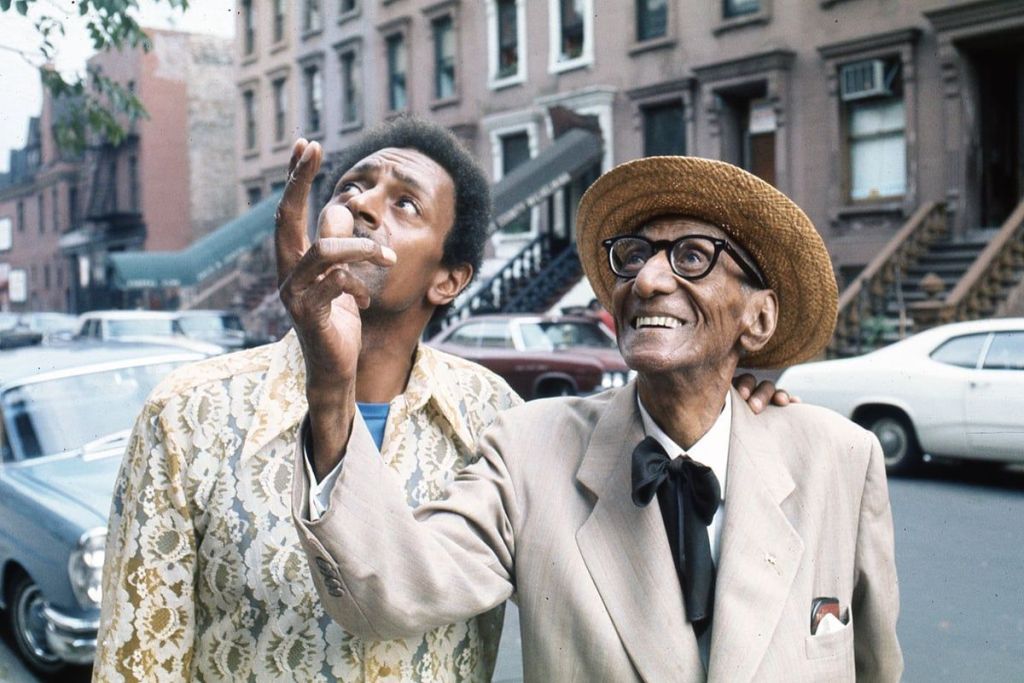
Most of the people being discussed are in the room of this apartment. They each take turns discussing how the Harlem Renaissance gave voices and / or chances for men and women as singers and dancers, poets, writers, or photographers. All of this helped show others around the country that there is a place for talented Black individuals. Black citizens in this country were being held back, which eventually spawned the civil rights movement. Talented individuals deserved a chance to give their talents a place to thrive. Whether it’s in speak- easies, in under the radar newspapers, or radio shows, the Black voice was going to find its way out to the public at this time in history. This discussion at this apartment consisted of men and women telling all of these stories.
There were a lot of men and women all crammed into this small apartment with pink or peach colored walls eating and drinking. Among all of the luminaries are at the party talking are Arne Bontemps Poet, Gerri Major Society Editor, Eubie Blake pianist/ composer, William Whipper politician in South Carolina, son Lee Whipper, Noble Sissle singer songwriter, the duo Sissle & Blake, “Shuffle Along” song, Black entertainment, Florence Mills, creative voices at that time, Richard Bruce Nugent painter poet, Richard Moore bookseller social activist, Hubert Henry Hartison political activist, George Shuyler writer journalist, just to name a handful or so. There were so many it’s hard to name them all.
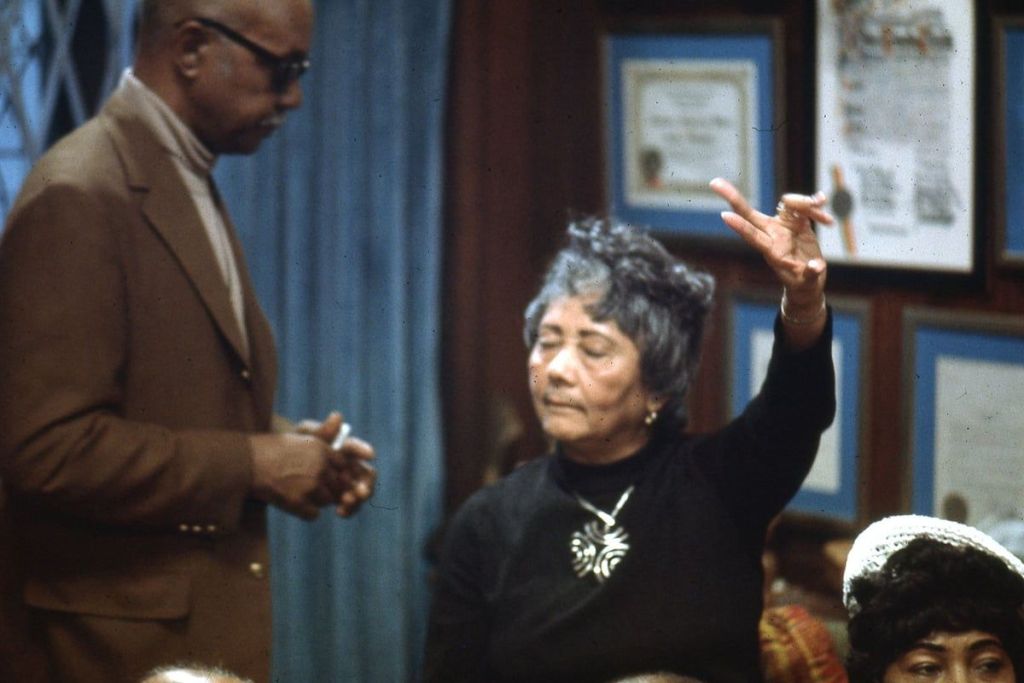
A few stories that I was particularly interested in were those involving Ted Poston, who had a reservation at The Copacabana with a group of young Black people. They were turned away until the manager noticed they were with him. Also Carl Van Eckten author of Nigger Heaven, Romare Beardrn actor journalist songwriter, Hubert Fontleroy Julian the Black Eagle, creative book covers, Nathan Huggins historian/Professor at Harvard University, also the auther of the book The Harlem Renaissance, Ida May Cullen widow of Countee Cullen and activist, all writers or journalists who wrote about the Black story. Another man who fought for Black entertainment was Abram Hill, the founder of the American Nigro Theater in Harlem. This area of New York was a hot bed for Black voices, ideas, stories, and entertainment at that time.
As a white writer, I understand this is going to be a hard review to take. I am not Black, but I understand the importance of this film. Giving a voice to the voiceless is a very good thing. Making a movie about Black men and women having a civilized conversation about things that were very prevalent in their lives when they were younger is good. Giving this documentary its just due is also good. NEON bought this film out of the Sundance film festival last January, and it’s now starting to go out to the masses little by little. Black audiences are the ones who need to see this documentary, but white audiences should see it as well. It’s very informative for anybody who gives it a chance.
“Once Upon a Time In Harlem” was a very enlightening documentary. It gave me a whole new perspective of the Black lifestyle at this time in history. The Black men and women who helped for the Black Renaissance were all very important to the later civil rights movement. Poets, journalists, writers, singers, and songwriters all played a part in getting them the platforms they needed to build this. The film gave these men and women their voices. The mix of long-form interviews set in this apartment and archival footage, photos, and other footage was nicely done. The editing, music, and storytelling within the context of the documentary melded together nicely. This film worked well on multiple levels. This is one of the best films of the year bar none. I think it’s definitely a best documentary feature nominee contender next year at the Academy Awards. I was genuinely engrossed by what I watched and heard from all of these men and women.
🌟 🌟 🌟 🌟 1/2


Leave a Reply